Terminal Cancer Symptoms: What to Expect and How to Prepare
When cancer reaches its final stage, the body begins to show clear signs that it’s no longer fighting the disease. This is terminal cancer, the advanced stage where treatment focuses on comfort, not cure. It’s not about giving up—it’s about shifting focus to quality of life, dignity, and peace. People often confuse terminal cancer with imminent death, but the timeline varies. Some live weeks, others months, sometimes even longer, depending on the type of cancer, overall health, and care received.
Common terminal cancer symptoms, physical changes that signal the body is shutting down include extreme fatigue, loss of appetite, weight loss, and trouble breathing. Pain may increase, but it’s not unavoidable—modern palliative care can manage it effectively. Many patients sleep more, withdraw from social interaction, and have difficulty staying alert. Changes in skin color, cooler limbs, and irregular breathing patterns are also normal. These aren’t signs of suffering; they’re natural parts of the body’s process. palliative care, a specialized approach focused on relieving symptoms and improving comfort isn’t just for hospitals. It can happen at home, with trained nurses and doctors guiding families through each step.
What’s often overlooked are the emotional and mental shifts. A person may become quiet, reflective, or suddenly want to talk about old memories. Some feel peace. Others feel fear. All of it is normal. Families often struggle with guilt—wondering if they did enough, if they should have tried harder. But terminal cancer isn’t caused by lack of effort. It’s the result of biology, not choice. hospice support, a system designed to provide compassionate care at the end of life helps families understand what’s happening and how to respond with love, not panic. Nurses teach you how to hold a hand, how to speak gently, how to sit in silence without feeling like you need to fix anything.
You won’t find magic cures in this stage. But you will find real comfort. The posts below cover what symptoms actually look like in real cases, how to manage pain without overmedicating, when to call a hospice team, and how to talk to loved ones about what’s coming. There’s no sugarcoating here—just honest, practical advice from people who’ve been there. Whether you’re a patient, a caregiver, or just trying to understand, these stories will help you prepare—not with fear, but with clarity.
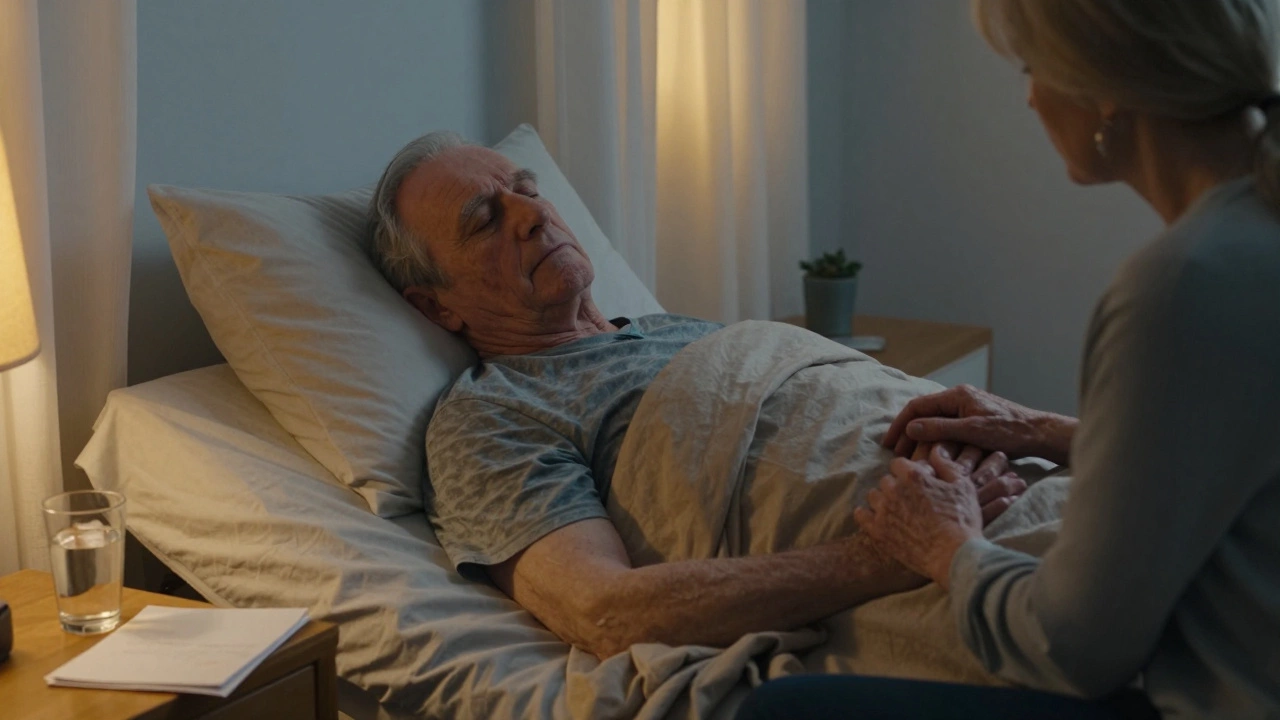
What to Expect Two Weeks Before Death in Advanced Cancer
•5 Dec 2025
Two weeks before death from advanced cancer, the body begins shutting down quietly. Signs include loss of appetite, increased sleep, changed breathing, cold skin, and withdrawal. Understanding these changes helps families provide comfort, not fight the inevitable.