What Happens Before Death
When someone is nearing the end of life, the body doesn’t shut down suddenly—it follows a quiet, predictable path. This process, often called the dying process, the natural sequence of physical and mental changes that occur as the body prepares to stop functioning, is different for everyone, but certain patterns show up again and again. It’s not about dramatic moments or last words—it’s about subtle shifts: slower breathing, less interest in food, longer periods of sleep, and a fading awareness of the world around them. Knowing what to expect doesn’t make it easier, but it removes the fear of the unknown.
Many people wonder if pain is part of this stage. The answer is usually no. As the body slows, natural chemicals kick in to reduce discomfort. palliative care, a medical approach focused on comfort and quality of life in the final stages of illness plays a big role here. It’s not about curing—it’s about keeping someone calm, dry, and free from distress. Oxygen levels drop gradually, so supplemental oxygen isn’t always helpful, and sometimes even uncomfortable. What matters most is presence: a hand held, a voice softly speaking, a familiar blanket nearby. These aren’t just comfort measures—they’re how love shows up when medicine can’t fix anything anymore.
There are also emotional and mental changes. A person may start talking to people who’ve passed away, or seem to be looking at something only they can see. This isn’t confusion—it’s often part of the mind’s way of preparing for the transition. They might withdraw from conversation, not because they don’t care, but because their energy is being redirected inward. Family members sometimes worry they’re not saying goodbye properly. But the truth is, most people know when it’s time. They don’t need grand speeches. Just knowing you’re there is enough.
The terminal illness, a condition that will eventually lead to death despite medical treatment behind this process—whether it’s cancer, heart failure, or advanced dementia—shapes the timeline, but not the core experience. The body’s final days follow the same rhythm regardless of cause. Breathing becomes irregular, with long pauses between breaths. Skin cools, especially the hands and feet. Urine output drops. These aren’t signs of suffering—they’re signs the body is conserving energy for what’s next.
There’s no single moment when life ends. It’s a quiet fade. And while medical technology can delay some of these signs, it can’t stop the process. That’s why understanding what happens before death matters—not to rush it, but to honor it. The posts below share real stories, expert insights, and practical advice from families who’ve walked this path. You’ll find what to watch for, what to avoid, and how to be truly present when words aren’t needed anymore. This isn’t about fear. It’s about peace.
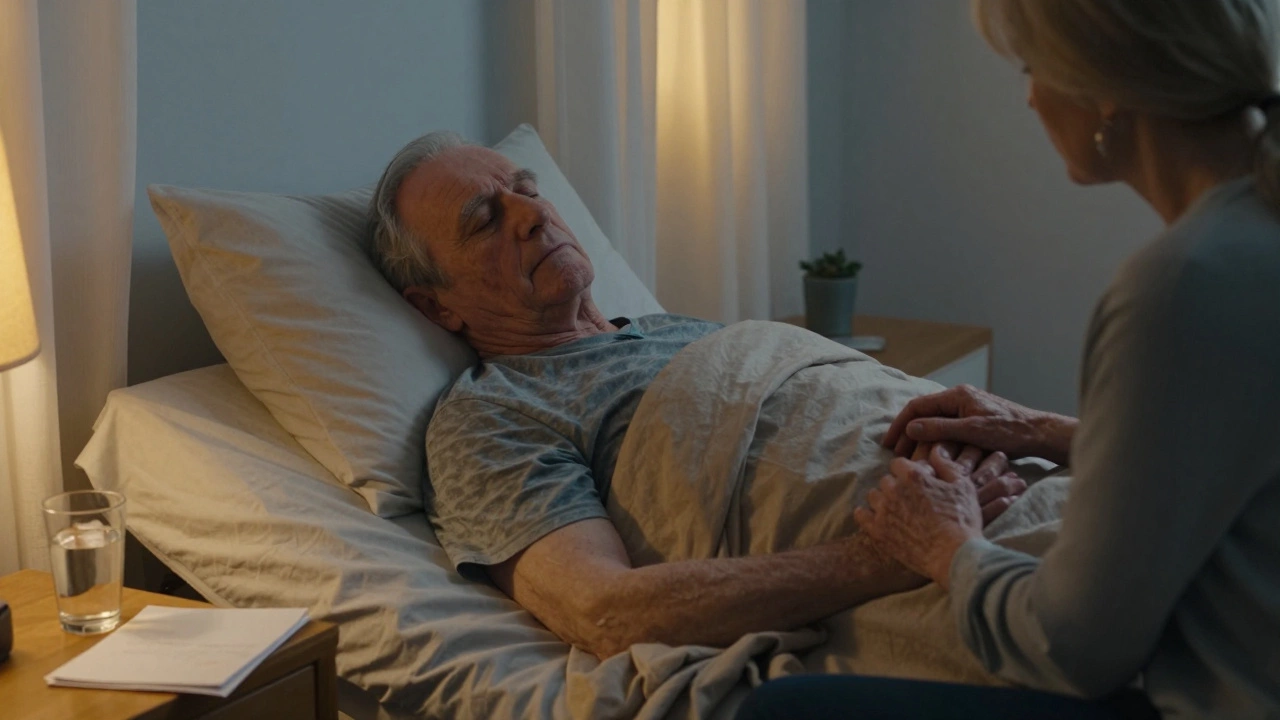
What to Expect Two Weeks Before Death in Advanced Cancer
•5 Dec 2025
Two weeks before death from advanced cancer, the body begins shutting down quietly. Signs include loss of appetite, increased sleep, changed breathing, cold skin, and withdrawal. Understanding these changes helps families provide comfort, not fight the inevitable.