
Supplement Needs Analyzer
Check Your Lifestyle & Diet
Select all statements that apply to you.
Walk into any pharmacy or browse an online health store, and you’ll face a wall of bottles. Green powders, white pills, liquid drops, and gummy bears all promise better energy, stronger bones, or clearer skin. It is easy to feel overwhelmed. You might wonder if you need them at all, or which ones actually work. The confusion comes from one simple fact: not all supplements are created equal. They fall into distinct categories based on what they are and how they function in your body.
Understanding these categories changes how you shop and take them. You stop guessing and start targeting specific needs. Whether you are looking to fix a deficiency, boost athletic performance, or support general wellness, knowing the five main types helps you make smarter choices. Let’s break down exactly what these groups are, why they matter, and how to use them safely.
1. Vitamin Supplements
Vitamins are organic compounds that your body needs in small amounts to perform critical functions. Unlike carbohydrates or fats, vitamins do not provide energy calories. Instead, they act as co-factors for chemical reactions. Think of them as the spark plugs in a car engine. Without them, the engine might have fuel, but it won’t run smoothly.
There are 13 essential vitamins, divided into two groups based on how your body stores them:
- Fat-soluble vitamins (A, D, E, K): These dissolve in fat and are stored in your liver and fatty tissues. Because your body stores them, you don’t need them every day. However, this also means you can build up too much, leading to toxicity. For example, taking excessive Vitamin A over time can cause liver damage.
- Water-soluble vitamins (B-complex and C): These dissolve in water and travel through your bloodstream. Your body uses what it needs and flushes out the rest through urine. This makes toxicity rare, but it also means you need a steady daily supply. If you skip meals or eat poorly, your levels can drop quickly.
Most people get enough vitamins from a balanced diet rich in fruits, vegetables, and whole grains. However, certain groups often need supplementation. Pregnant women frequently take folic acid (Vitamin B9) to prevent neural tube defects. People with limited sun exposure, especially in northern climates or those who wear full-cover clothing, often supplement with Vitamin D to support bone health and immune function. Vegans may need Vitamin B12, as it is naturally found almost exclusively in animal products.
2. Mineral Supplements
If vitamins are the spark plugs, minerals are the structural parts of the engine. Minerals are inorganic elements found in soil and water. Plants absorb them, and animals (including humans) get them by eating plants or other animals. Unlike vitamins, minerals are not destroyed by heat, light, or air, making them stable during cooking.
Minerals are categorized by how much your body needs:
- Macrominerals: Calcium, phosphorus, magnesium, sodium, potassium, chloride, and sulfur. You need these in larger quantities (more than 100 milligrams per day). Calcium is famous for building strong bones and teeth, but it also helps nerves transmit signals. Magnesium supports muscle relaxation and sleep quality.
- Trace minerals: Iron, zinc, selenium, copper, manganese, fluoride, chromium, and molybdenum. You need tiny amounts, but their impact is huge. Iron carries oxygen in your blood. Low iron leads to anemia, causing fatigue and shortness of breath. Zinc is vital for wound healing and immune response.
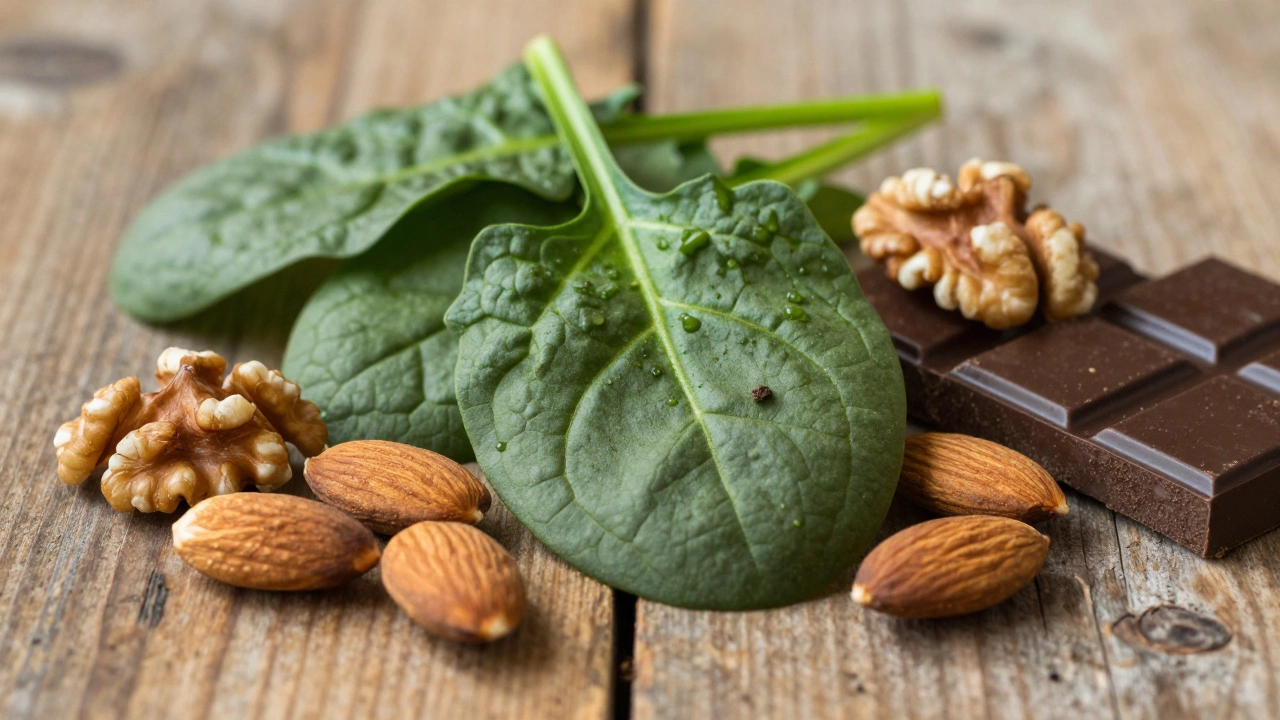
Soil depletion is a real issue today. Many modern farming practices reduce the mineral content of crops compared to decades ago. This is why fortified foods exist. However, whole-food sources are always better absorbed. Spinach contains iron, but pairing it with Vitamin C (like lemon juice) boosts absorption significantly. Conversely, calcium blocks iron absorption, so avoid taking iron supplements with dairy or antacids.
3. Herbal and Botanical Supplements
This category is often the most misunderstood. People assume "natural" means "safe." That is a dangerous myth. Plants contain complex chemical compounds that interact with your body just like pharmaceutical drugs. St. John’s Wort, for instance, is popular for mild depression, but it interferes with many medications, including birth control pills and antidepressants, reducing their effectiveness.
Common herbal supplements include:
- Echinacea: Often taken at the first sign of a cold to shorten duration.
- Ginkgo Biloba: Used to improve memory and circulation.
- Turmeric (Curcumin): Known for its anti-inflammatory properties, helpful for joint pain.
- Ashwagandha: An adaptogen used to manage stress and cortisol levels.
The challenge with herbs is standardization. One brand’s turmeric capsule might have 95% curcuminoids, while another has 20%. Look for labels that specify the active compound percentage. Also, be wary of proprietary blends that hide individual ingredient amounts. Transparency is key here. Since regulations vary globally, third-party testing seals (like USP or NSF) add a layer of trust regarding purity and potency.
4. Amino Acid and Protein Supplements
Amino acids are the building blocks of proteins. Your body uses protein to build muscles, repair tissues, and create enzymes and hormones. There are 20 standard amino acids, nine of which are "essential," meaning your body cannot make them. You must get them from food or supplements.
This category splits into two main types:
- Whole Protein Powders: Whey, casein, pea, rice, and soy protein. These provide all essential amino acids. Athletes use whey protein because it absorbs quickly after workouts, aiding muscle recovery. Plant-based proteins are great for vegans but sometimes lack one or two essential amino acids, so blending pea and rice protein creates a complete profile.
- Individual Amino Acids: Branched-Chain Amino Acids (BCAAs) like leucine, isoleucine, and valine are popular among fitness enthusiasts to reduce muscle soreness. L-Theanine, found in tea, promotes relaxation without drowsiness. L-Tryptophan is a precursor to serotonin and melatonin, helping with sleep and mood.
You likely do not need isolated amino acids unless you have a specific medical condition or intense athletic regimen. Most people get sufficient protein from meat, eggs, dairy, beans, and nuts. Supplementing with BCAAs when your total protein intake is low is useless. Your body needs the full spectrum of amino acids to build tissue effectively. Focus on whole food first; use powder only for convenience or when dietary intake falls short.
5. Specialty and Functional Supplements
This catch-all category includes compounds that don’t fit neatly into the previous four boxes but offer targeted benefits. These often target specific physiological processes like gut health, cellular protection, or hormonal balance.
Key players in this group include:
- Omega-3 Fatty Acids: Found in fish oil, algae oil, and flaxseed. Essential for heart health, brain function, and reducing inflammation. Most people are deficient in Omega-3s due to high consumption of processed vegetable oils (Omega-6).
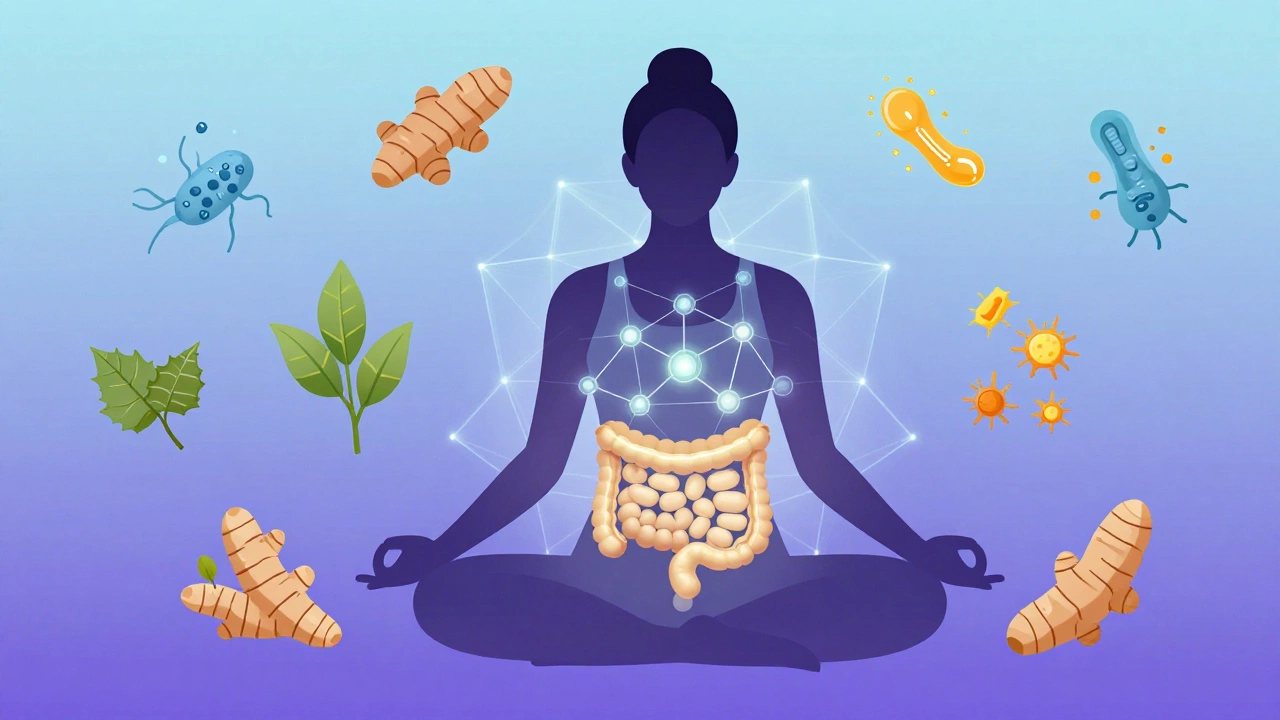
- Probiotics and Prebiotics: Probiotics are live beneficial bacteria for your gut microbiome. Prebiotics are fibers that feed these bacteria. Gut health influences everything from digestion to immunity and even mental health via the gut-brain axis.
- Coenzyme Q10 (CoQ10): A compound that helps generate energy in cells. Levels decline with age, so older adults or those on statin medications (which lower CoQ10) may benefit from supplementation.
- Creatine: Perhaps the most researched sports supplement. It helps regenerate ATP (energy) during high-intensity exercise, improving strength and power output. It is safe and effective for both athletes and older adults looking to maintain muscle mass.
These supplements address modern lifestyle gaps. We sit more, move less, eat processed foods, and experience higher stress. Specialty supplements fill those specific holes. However, they are not magic bullets. Creatine won’t build muscle if you aren’t lifting weights. Probiotics won’t fix a diet high in sugar and low in fiber.
How to Choose the Right Supplement
Knowing the five types is step one. Step two is deciding which, if any, you need. Start with a blood test. Guessing your deficiencies is inefficient and potentially harmful. Ask your doctor to check Vitamin D, B12, Iron, and Magnesium levels. Data beats intuition every time.
Next, look at your diet. Keep a food diary for three days. Are you eating enough colorful vegetables? Enough healthy fats? Enough protein? Identify the gaps. If you eat no fish, consider an Omega-3 supplement. If you rarely see the sun, consider Vitamin D. If you are vegan, consider B12 and possibly Iron.
Quality matters more than quantity. The supplement industry is largely unregulated in many countries. Manufacturers are responsible for ensuring their products are safe and labeled correctly, but enforcement varies. Look for:
- Third-party certification: Seals from organizations like USP, NSF International, or ConsumerLab indicate independent testing for purity and potency.
- Transparent labeling: Avoid "proprietary blends" where exact doses are hidden.
- Expiration dates: Old supplements lose potency. Don’t hoard them.
Finally, introduce one supplement at a time. Wait two weeks before adding another. This allows you to monitor for side effects or interactions. If you feel bloated, dizzy, or unusually tired, stop and consult a healthcare provider. Supplements should enhance your health, not complicate it.
| Type | Primary Function | Best Source | Common Deficiency Risks |
|---|---|---|---|
| Vitamins | Metabolic co-factors | Fruits, Vegetables, Fortified Foods | Poor diet, Malabsorption issues |
| Minerals | Structural & signaling | Nuts, Seeds, Dairy, Leafy Greens | Soil depletion, Restricted diets |
| Herbal/Botanical | Therapeutic plant compounds | Standardized Extracts | Inconsistent quality, Drug interactions |
| Amino Acids/Protein | Tissue repair & growth | Meat, Eggs, Legumes, Powders | Low protein intake, Aging |
| Specialty | Targeted support (Gut, Heart, etc.) | Fish, Fermented Foods, Algae | Modern lifestyle factors |
Frequently Asked Questions
Do I need to take all 5 types of supplements?
No. Most healthy individuals eating a varied diet do not need all five types. Focus on filling specific nutritional gaps identified by blood tests or dietary analysis. Taking unnecessary supplements wastes money and may increase the risk of interactions.
Are herbal supplements safer than synthetic vitamins?
Not necessarily. "Natural" does not mean harmless. Herbal supplements contain potent bioactive compounds that can interact with medications. Synthetic vitamins are often identical to their natural counterparts in structure and function. Safety depends on dosage, quality, and individual health status, not the source alone.
When is the best time to take supplements?
Timing depends on the type. Fat-soluble vitamins (A, D, E, K) should be taken with a meal containing fat for absorption. Water-soluble vitamins and minerals are generally fine with or without food, though some minerals like magnesium may cause stomach upset on an empty stomach. B-vitamins are energizing, so take them in the morning. Melatonin and magnesium glycinate are better suited for evening use.
Can supplements replace a healthy diet?
Absolutely not. Whole foods contain thousands of phytonutrients, fibers, and complex matrices that work synergistically. Supplements isolate single compounds. They are meant to supplement, not substitute, a nutrient-rich diet. Relying solely on pills for nutrition leads to deficiencies in unknown areas and increases chronic disease risk.
How do I know if a supplement is high quality?
Look for third-party testing seals from reputable organizations like USP, NSF, or Informed Choice. Check for transparent labeling that lists all ingredients and their exact amounts. Avoid products with excessive fillers, artificial colors, or proprietary blends that hide dosages. Buying from established pharmacies or trusted retailers reduces the risk of counterfeit products.