Post-Knee Replacement Clothing Guide
Recovery Phases
Immediate Post-Op
Weeks 1-2
Recommended
Avoid
Why this matters:
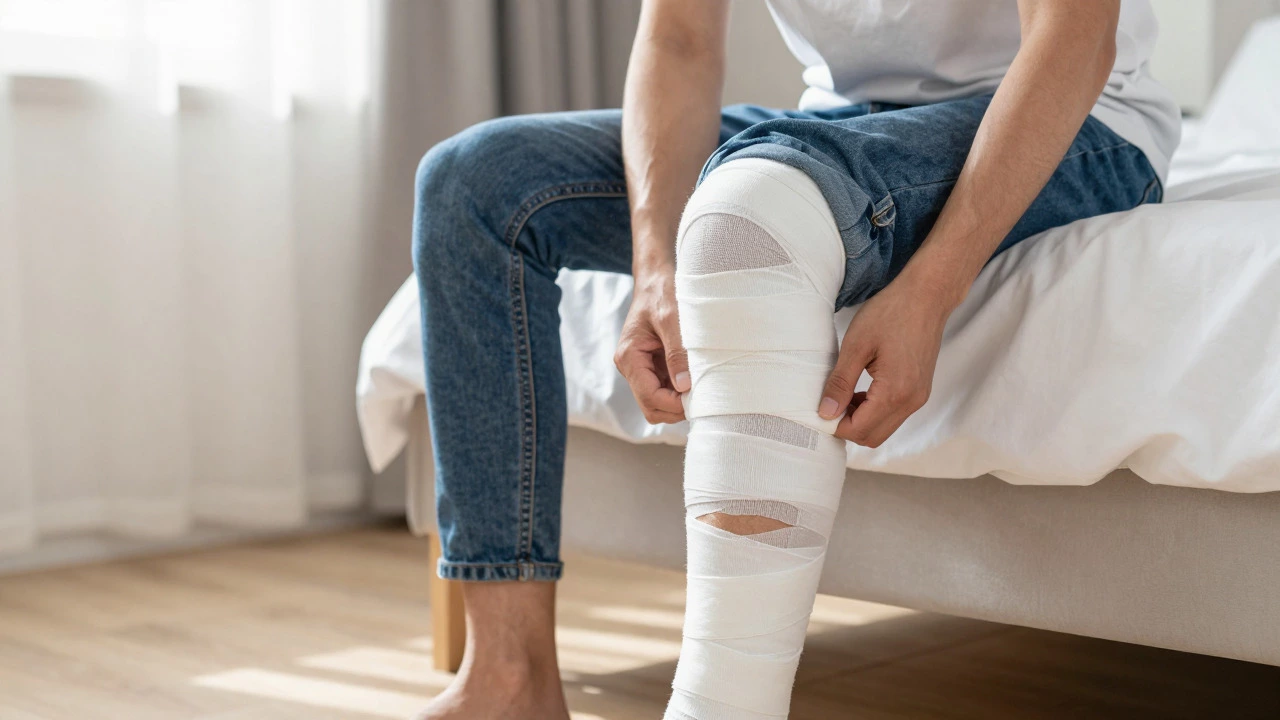
Imagine sitting on your couch, trying to slide your jeans up over a swollen, bandaged knee. It sounds simple, but for anyone who has just undergone knee replacement is a surgical procedure where damaged parts of the knee joint are replaced with artificial implants, this mundane task can feel like climbing a mountain. The question isn't just about fashion; it's about safety, comfort, and protecting your new joint during the critical early stages of healing.
The short answer is yes, you can wear pants after knee surgery, but not immediately, and certainly not the way you used to. In the first few weeks, traditional trousers are often out of reach-literally. You will need to adapt your wardrobe to accommodate swelling, bulky dressings, and limited mobility. Understanding exactly when and how to reintroduce regular clothing into your routine can save you from unnecessary pain and potential complications.
The First Two Weeks: Why Jeans Are Your Enemy
In the immediate aftermath of surgery, your knee is going through significant changes. Swelling (edema) is at its peak, and your leg is likely wrapped in compression bandages or covered by a large surgical dressing. During this phase, which typically lasts 10 to 14 days, tight-fitting pants are practically impossible to put on without assistance or risking injury to the incision site.
Trying to force skinny jeans or fitted chinos over a swollen knee can cause several problems:
- Circulation issues: Tight fabric acts like a tourniquet, restricting blood flow needed for healing.
- Skin irritation: Friction from rough denim against sensitive, healing skin can lead to rashes or even break down the wound edges.
- Mobility restrictions: Stiff fabrics limit the range of motion required for physical therapy exercises.
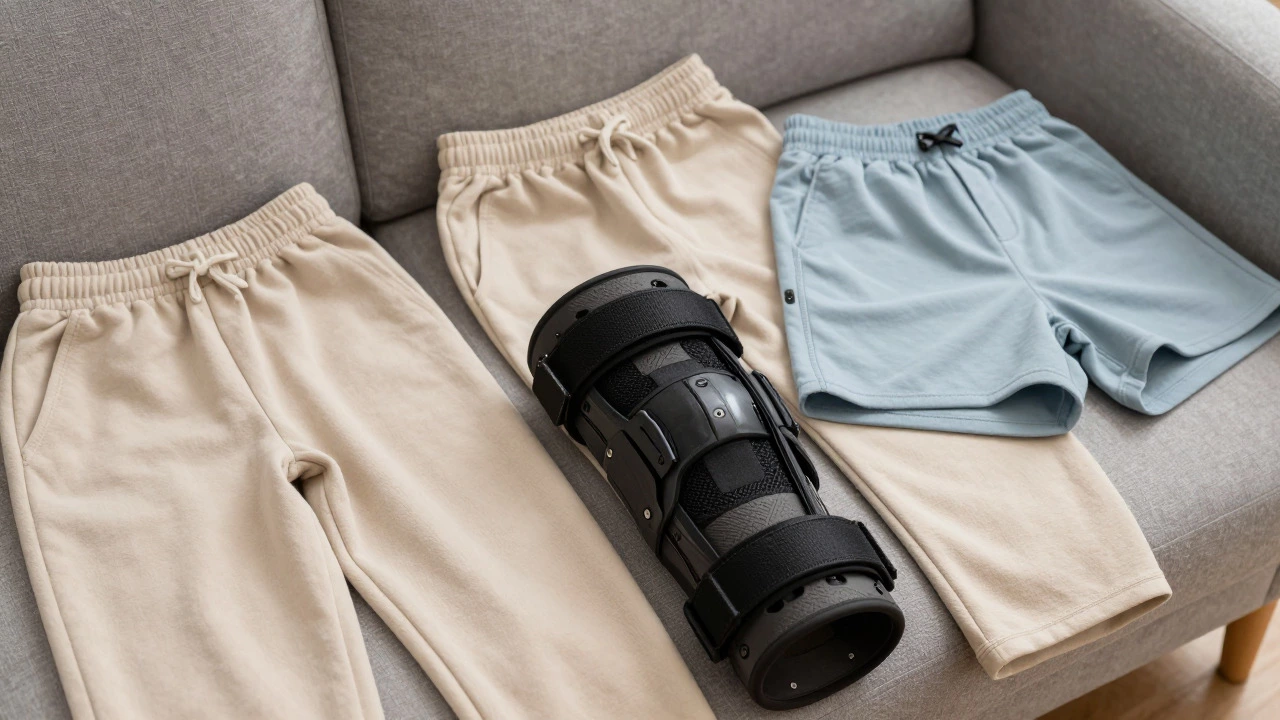
Instead of fighting with zippers and buttons, most orthopedic surgeons recommend loose-fitting garments. Elastic-waist shorts, sweatpants, or wide-leg trousers are your best friends here. They allow you to pull them on without bending deeply at the waist or struggling to maneuver your leg through narrow legs.
Navigating the Brace: Fit and Function
A crucial factor in deciding what to wear is whether you are using a knee immobilizer or hinged knee brace. These devices are bulky and rigid, designed to keep your leg straight or within a safe range of motion. Standard pants simply do not have the girth to accommodate a brace plus your leg.
If you are prescribed a brace, look for pants with adjustable waists or drawstrings. Cargo pants with large pockets can sometimes help hide the bulkiness, though they may still feel cumbersome. Some patients opt for adaptive clothing designed specifically for post-surgical needs. These brands offer magnetic closures and side-zip panels that make dressing significantly easier. While these might cost more upfront, they reduce stress during the most challenging part of your recovery.
| Recovery Phase | Recommended Clothing | Avoid | Key Consideration |
|---|---|---|---|
| Weeks 1-2 | Elastic shorts, sweatpants, nightgowns | Jeans, tight leggings | Easy access for wound checks |
| Weeks 3-6 | Loose khakis, drawstring joggers | Fitted chinos, skinny jeans | Accommodating residual swelling |
| Months 2-3 | Regular casual pants, soft denim | Stiff formal trousers | Transitioning to normal activities |
| Month 4+ | All types of pants | None | Full mobility restored |
Protecting the Incision Site
Your incision is the gateway to your new knee, and keeping it clean and protected is paramount. Even after the initial stitches or staples are removed, the skin remains fragile for several weeks. When you start wearing longer pants again, pay attention to the seam placement. Seams directly over the incision line can cause rubbing and discomfort.
Choose pants made from breathable, natural fibers like cotton or bamboo blends. Synthetic materials like polyester can trap moisture and heat, creating an environment where bacteria thrive. If you notice any redness, warmth, or increased pain around the incision after putting on pants, take them off immediately and inspect the area. Persistent irritation should be reported to your surgeon.
The Role of Physical Therapy in Dressing
Getting dressed is not just a daily chore; it’s a functional movement that your physical therapist will monitor. Putting on pants requires hip flexion, knee extension, and balance-all skills you are relearning after surgery. Your therapist might teach you specific techniques to minimize strain on your new joint.
For example, you might learn to sit on a raised surface, such as a high chair or the edge of your bed, to make it easier to lift your leg. Using a long-handled shoe horn or a dressing stick can help slide pants up without excessive bending. These tools are inexpensive but invaluable during the first month of recovery. Mastering these movements builds confidence and independence, reducing reliance on caregivers for basic tasks.

When Can You Return to Normal Wardrobe?
Most patients find they can comfortably wear their pre-surgery pants between 8 to 12 weeks post-operation. However, this timeline varies based on individual healing rates, adherence to physical therapy, and the type of surgery performed. Minimally invasive techniques may allow for a faster return to normal clothing compared to traditional open approaches.
Listen to your body. If pulling on a pair of trousers causes sharp pain or leaves indentations on your skin, wait another week. Patience is key. Rushing back into tight clothing can set back your progress by increasing swelling or irritating the healing tissues. Remember, the goal is long-term mobility and comfort, not looking good for a single occasion.
Tips for Special Occasions
Life doesn’t stop because you’re recovering from knee surgery. If you have a wedding, family gathering, or work event coming up, plan ahead. Tailors can temporarily let out the seams of your favorite pants to provide extra room. Alternatively, invest in a pair of stretchy, high-quality dress pants that mimic the look of formal wear without the restriction. Compression stockings, often required post-surgery, can also be worn under loose pants if they fit comfortably.
Don’t hesitate to ask for help. Having a friend or family member assist you with difficult outfits reduces stress and prevents accidental falls. Safety always comes before style during recovery.
How soon after knee replacement can I wear jeans?
Most patients can try wearing loose-fitting jeans around 6 to 8 weeks post-surgery, provided swelling has subsided significantly. Tight skinny jeans may take 3 months or longer to fit comfortably without causing pain or restricting movement.
Do I need special pants for knee surgery recovery?
While not strictly necessary, adaptive clothing with elastic waists, side zippers, or magnetic closures makes dressing much easier. Loose sweatpants, cargo pants, and drawstring joggers are excellent affordable alternatives available at most stores.
Can tight pants affect my knee replacement healing?
Yes, tight pants can restrict blood circulation, increase swelling, and irritate the incision site. This can delay healing and potentially lead to complications like skin breakdown or infection. Always choose loose, breathable fabrics during the initial recovery phase.
What should I wear to physical therapy appointments?
Wear loose shorts or capri-length pants that allow easy access to your knee. This enables your physical therapist to examine the joint, apply ice, and guide you through exercises without obstruction. Avoid long, baggy pants that might get caught in equipment.
Is it safe to wear compression stockings with pants?
Yes, compression stockings are often recommended to prevent blood clots and reduce swelling. They can be worn under loose-fitting pants. Ensure the pants are not too tight around the calf or thigh, as this could counteract the benefits of the compression garment.