
Ayurvedic Dosha & 80/20 Balance Guide
Discover your primary bio-energy type and learn how to maintain balance by focusing on the vital few habits that yield the most significant impact.
Vata
Air & SpaceCreative, energetic,
prone to anxiety
& dry skin.
Pitta
Fire & WaterFocused, warm-blooded,
prone to inflammation
& irritability.
Kapha
Earth & WaterCalm, strong,
prone to lethargy
& congestion.
Apply the 80/20 rule: Prioritize these actions 80% of the time for maximum benefit.
Track Your Consistency
Great! You are maintaining a healthy balance. Remember, consistency beats perfection.
You’ve probably heard of the Pareto Principle-the idea that 80% of your results come from 20% of your efforts. It’s everywhere in business and productivity. But did you know there’s a similar concept deeply rooted in Ayurveda, the ancient Indian system of medicine? It’s not exactly about efficiency; it’s about equilibrium. In Ayurveda, this "80/20" mindset helps explain how we can maintain health by focusing on small, consistent habits rather than drastic overhauls.
Think about your daily routine. If you eat perfectly 100% of the time but ignore your sleep or stress levels, you’re still out of balance. Conversely, if you only focus on meditation but eat junk food, your body suffers. The core insight here is simple: health is rarely about perfection; it’s about prioritizing the few things that yield the most significant impact on your well-being.
Decoding the Tridosha Theory
To understand where this principle fits, you first need to grasp the foundation of Ayurveda: the Tridosha theory. This framework categorizes everyone into three primary bio-energies or doshas: Vata, Pitta, and Kapha. These aren’t just labels; they are combinations of the five elements (earth, water, fire, air, space) that dictate your physical and mental tendencies.
- Vata: Governed by air and space. People with high Vata are often creative and energetic but prone to anxiety, dry skin, and irregular digestion.
- Pitta: Governed by fire and water. Pitta types are usually focused and warm-blooded but can suffer from inflammation, acidity, and irritability when out of balance.
- Kapha: Governed by earth and water. Kapha individuals are calm and strong but may struggle with lethargy, weight gain, and congestion.
Everyone has all three, but usually one or two dominate. Your unique mix is called your Prakriti (constitution). When your lifestyle matches your Prakriti, you stay healthy. When it doesn’t, you get sick. This is where the 80/20 rule becomes practical. You don’t need to memorize every herb or ritual. You just need to identify which dosha is currently aggravated and apply targeted fixes.
Applying the 80/20 Logic to Diet
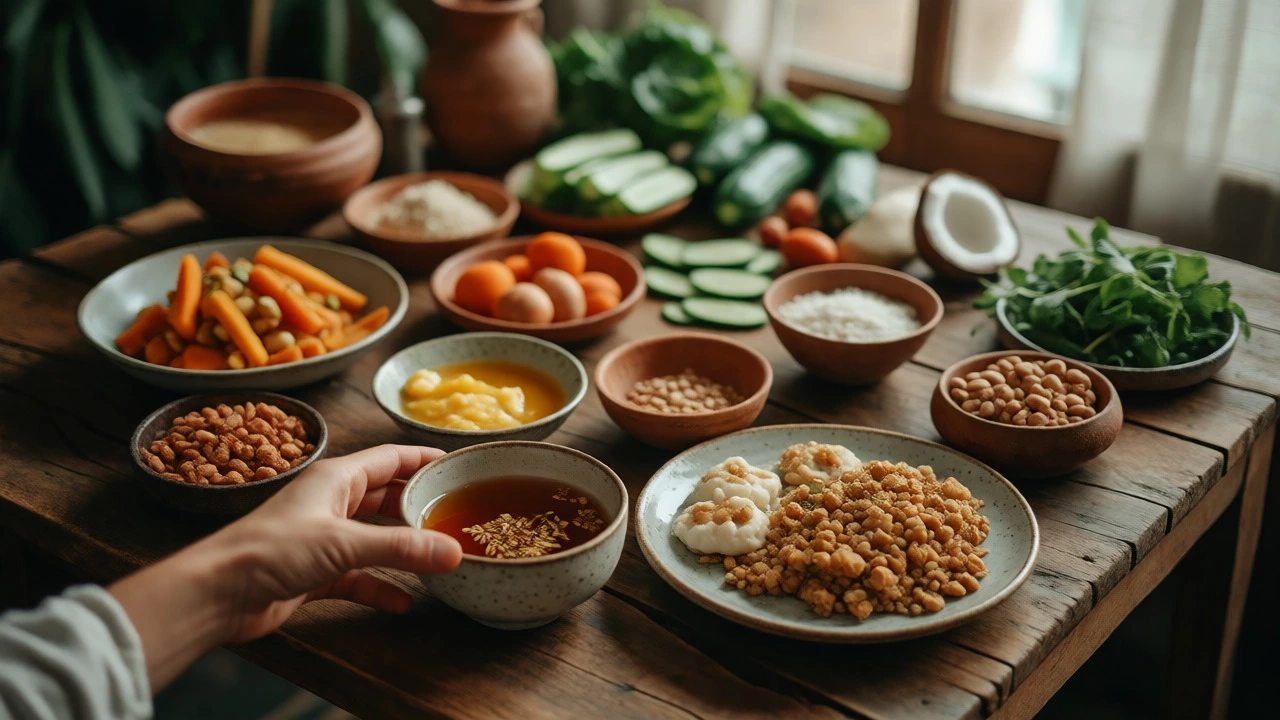
Diet is the biggest lever you can pull for health. In Ayurveda, food is medicine. But trying to eat an "ideal" Ayurvedic diet every single meal is exhausting and often unsustainable. Here’s where the 80/20 approach shines: aim to eat according to your constitution 80% of the time, and allow flexibility for the other 20%.
Let’s say you have a dominant Pitta constitution. You thrive on cooling foods like cucumber, coconut, and sweet fruits. You struggle with spicy, oily, or fermented foods. Instead of banning pizza forever, you might enjoy it occasionally. The key is recognizing that after a heavy, spicy meal (the 20% indulgence), you should compensate by eating lighter, cooling meals for the next day or two. This creates a natural rhythm rather than a rigid prison.
| Dosha | Foods to Emphasize (The 80%) | Foods to Limit (The 20%) |
|---|---|---|
| Vata | Warm, moist, cooked foods; root vegetables; ghee; nuts. | Raw salads; cold drinks; dry crackers; excessive caffeine. |
| Pitta | Sweet fruits; leafy greens; dairy; mild spices like coriander. | Hot peppers; alcohol; sour fermented foods; excess salt. |
| Kapha | Light, dry, warm foods; legumes; bitter greens; honey. | Dairy products; heavy sweets; fried foods; excess water. |
This table isn’t a law; it’s a heuristic. Notice how each column highlights specific attributes. For Vata, the attribute is "warmth." For Pitta, it’s "cooling." By focusing on these core qualities, you simplify decision-making at the grocery store.
Routine as Medicine: Dinacharya
Beyond food, Ayurveda places massive emphasis on Dinacharya, or daily routine. Modern life is chaotic, and our biological clocks (circadian rhythms) are often disrupted by late nights and blue light. The 80/20 rule applies here too. You don’t need to wake up at 4 AM and do an hour of yoga to be "healthy." That level of discipline works for some, but for most, consistency beats intensity.
Focus on the two or three habits that give you the most energy and clarity. For many people, this looks like:
- Wake up before sunrise: Even if it’s just 6:30 AM instead of 5:00 AM, aligning with natural light helps regulate cortisol.
- Hydrate first: Drinking warm water upon waking flushes toxins (Ama) accumulated overnight.
- Mindful eating: Sitting down without screens for at least one major meal improves digestion significantly.
If you nail these three things 80% of the week, you’ll likely see better digestion and mood stability than someone who tries to follow a complex 10-step morning ritual but fails half the time. Small, repeated actions compound. Skipping a day isn’t failure; it’s data. Adjust and move on.
Stress Management and Mental Health
Ayurveda never separates mind from body. Stress affects digestion, immunity, and sleep. The Mind-Gut Axis is real, and Ayurveda described it centuries ago through the concept of Manas (mind) influencing Agni (digestive fire).
Here’s the trap: trying to eliminate stress entirely. That’s impossible. The 80/20 approach suggests managing the sources of stress that matter most. Identify the top two stressors in your life-maybe it’s work deadlines and poor sleep. Address those directly. Use techniques like Pranayama (breathwork) specifically during high-stress windows. Ten minutes of deep breathing before a big meeting does more for your nervous system than an hour of random meditation on a quiet Sunday.
For Vata types, grounding activities like walking barefoot on grass help. For Pitta, cooling visualization or swimming calms the inner fire. For Kapha, vigorous exercise breaks stagnation. Tailoring your stress relief to your dosha ensures you’re using the right tool for the job.

Common Pitfalls and Misconceptions
Many people misunderstand Ayurveda as a set of strict rules. They think they must avoid nightshades, drink only herbal teas, and oil-pull for twenty minutes daily. This leads to burnout. Remember, Ayurveda is personalized. What heals one person might harm another. A banana is great for Vata but can increase mucus for Kapha. Coffee soothes Kapha’s sluggishness but aggravates Vata’s anxiety.
Another pitfall is ignoring seasonality. Ayurveda teaches us to adapt to nature’s cycles. In winter (Vata season), you need more warmth and moisture. In summer (Pitta season), you need cooling agents. Trying to eat the same salad year-round ignores these environmental shifts. The 80/20 tip here? Keep a simple seasonal checklist. Don’t overhaul your pantry every month; just tweak a few staples. Add ginger tea in winter, swap hot soups for chilled cucumber raita in summer.
Putting It All Together
So, what is the 80/20 rule in Ayurveda? It’s a permission slip to be human. It acknowledges that perfect adherence to ancient texts is rare in modern life. Instead, it asks you to identify the high-leverage habits that support your unique constitution and stick to them consistently.
Start by determining your dominant dosha. Then, pick one dietary adjustment and one routine change that aligns with it. Commit to doing these well 80% of the time. Observe how your body responds. If you feel lighter, clearer, and more energized, you’re on the right track. If not, adjust the variables. This iterative process is far more effective than blindly following a generic "superfood" list.
Ayurveda isn’t about restriction; it’s about awareness. By focusing on the vital few rather than the trivial many, you create a sustainable path to wellness that fits your actual life, not an idealized version of it.
How do I determine my dominant dosha?
You can take online quizzes, but they are often oversimplified. The best way is to observe your physical traits (body frame, skin type, hair texture) and mental tendencies (energy levels, emotional reactions). Consulting a qualified Ayurvedic practitioner provides the most accurate assessment, as they check your pulse and examine your tongue and eyes.
Can I combine doshas in my diet?
Yes, most people have a dual constitution (e.g., Vata-Pitta). You don’t need separate diets. Look for foods that balance both. For Vata-Pitta, warm, mildly spiced, and slightly oily foods often work well because they ground Vata without overheating Pitta. Avoid extremes like very raw/cold or very hot/spicy foods.
Is the 80/20 rule scientifically proven?
While the "80/20" label is a modern analogy, the underlying principles align with behavioral psychology and nutritional science. Studies show that consistency and moderate dietary changes lead to better long-term health outcomes than extreme, short-lived restrictions. Ayurveda’s emphasis on individualization also mirrors the growing field of nutrigenomics.
What if I travel frequently? How do I maintain balance?
Travel aggravates Vata due to movement and disruption of routine. To counter this, prioritize hydration, carry familiar snacks (like soaked almonds or dates), and try to keep meal times consistent. Doing a quick self-massage with warm oil before bed can help ground your energy after a day of travel.
Do I need to take supplements?
Not necessarily. Food comes first. Supplements like Ashwagandha or Turmeric are powerful tools but should address specific imbalances. Start with dietary and lifestyle changes. If you still have issues, consider supplements under guidance. Blindly taking herbs can sometimes worsen imbalances if they don’t match your current state.