Ayurveda Postpartum Recovery Score
Check the habits you are currently following during your first 40 days.
0%
Recovery Adherence
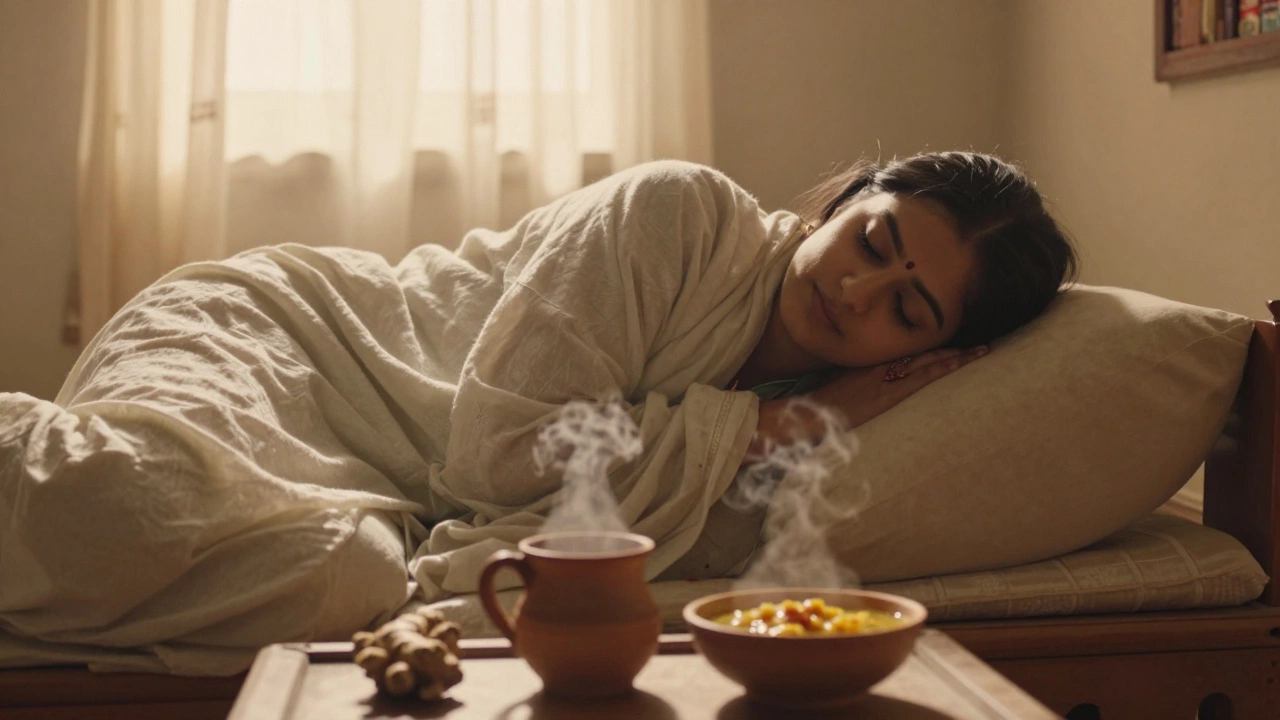
For many new mothers in India, the arrival of a baby marks the beginning of a strict routine known as the Ayurveda first 40 days, or Suta Krama. This period is not just about resting; it is a critical window for physical and emotional healing. In Ayurvedic medicine, this time is considered sacred because your body has undergone a massive transformation. If you do not support your body correctly during these weeks, you might face long-term health issues like joint pain, fatigue, or digestive problems.
You might wonder why exactly 40 days? In Ayurveda, this duration aligns with the natural cycle of tissue regeneration. It takes roughly this long for your body to rebuild the strength lost during pregnancy and childbirth. Ignoring this phase can lead to what Ayurvedic practitioners call 'Vata imbalance,' where dryness and coldness take over, causing discomfort that lasts for years. Let’s break down what you need to know to navigate this period effectively.
The Science Behind the 40-Day Window
To understand the importance of this period, we need to look at how Ayurveda views the body. After childbirth, your body is in a state of high Vata dosha dominance. Vata governs movement, air, and dryness. When you give birth, you lose blood, fluids, and energy. This creates a vacuum effect, making Vata rise rapidly. If left unchecked, this excess Vata causes anxiety, insomnia, constipation, and cold sensitivity.
The goal of the first 40 days is to pacify Vata and build Ojas, which is your vital essence or immunity. Think of Ojas as the fuel that keeps you energetic and emotionally stable. By following specific dietary and lifestyle rules, you help your body transition from a depleted state to a balanced one. This isn't just old-fashioned advice; it aligns with modern understanding of postpartum hormonal shifts and tissue repair.
- Vata Pacification: Reducing stress and movement to calm the nervous system.
- Ojas Building: Consuming nutrient-dense foods to restore vitality.
- Tissue Regeneration: Allowing organs, especially the uterus, to return to their pre-pregnancy state.
Dietary Guidelines: What to Eat and Avoid
Your diet during these 40 days plays the biggest role in your recovery. The general rule is simple: eat warm, moist, and easily digestible foods. Cold, raw, or dry foods are strictly avoided because they aggravate Vata. You want to keep your digestive fire, or Agni, strong but gentle.
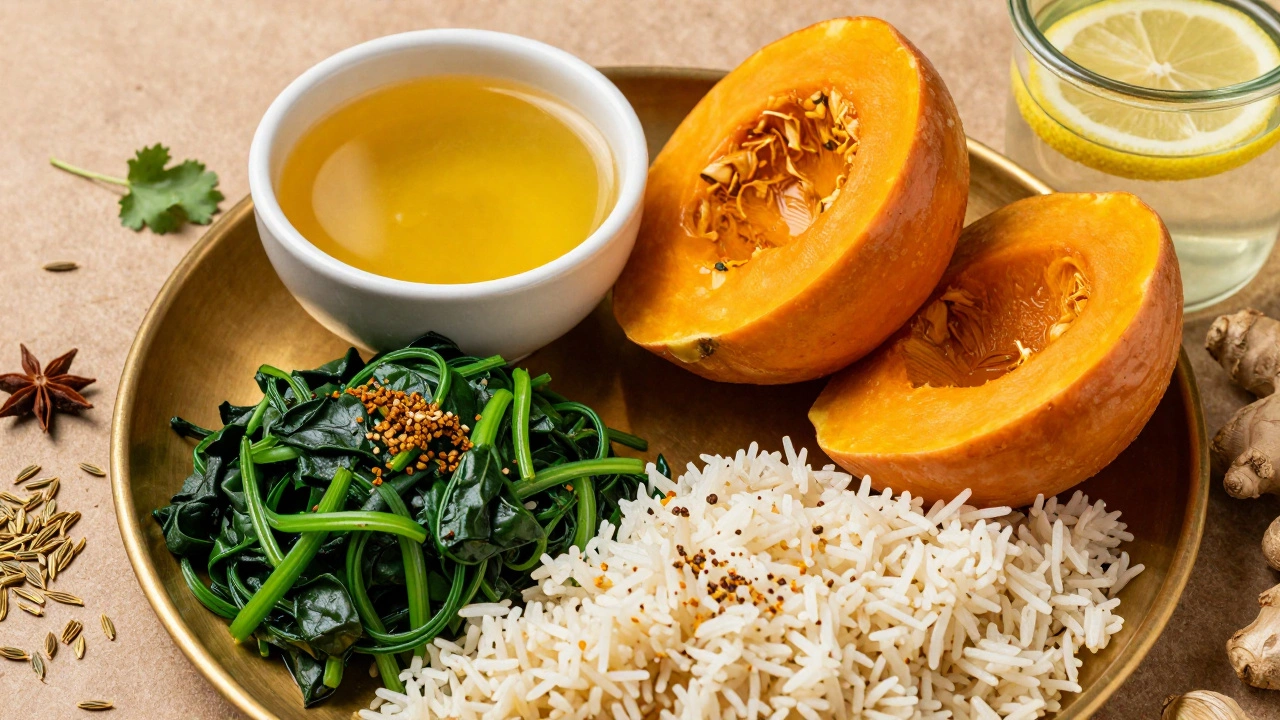
Start each meal with something warm. Soups made from bone broth or lentils are excellent choices. These provide collagen and protein without taxing your digestion. Incorporate ghee into every meal. Ghee lubricates the joints and nourishes the brain, helping to combat the mental fog often associated with postpartum life. Spices like cumin, coriander, fennel, and ginger should be used liberally. They aid digestion and prevent gas, a common complaint after delivery.
Avoid foods that are heavy or hard to digest. This includes red meat, excessive dairy (except clarified butter), and raw salads. Instead, opt for cooked vegetables like carrots, pumpkin, and spinach. Grains such as rice and quinoa are preferred over wheat because they are lighter on the stomach. Hydration is key, but drink only warm water. Sipping warm water throughout the day helps flush out toxins and keeps your metabolism active.
| Category | Recommended Foods | Foods to Avoid |
|---|---|---|
| Grains | Rice, Quinoa, Oats | Wheat, Refined Flour |
| Fats | Ghee, Sesame Oil | Cold-Pressed Oils, Butter |
| Vegetables | Cooked Carrots, Spinach, Pumpkin | Raw Salads, Cauliflower, Cabbage |
| Beverages | Warm Water, Ginger Tea | Cold Drinks, Coffee, Alcohol |
Lifestyle and Self-Care Practices
Diet alone won’t heal you if your lifestyle contradicts it. Rest is non-negotiable. In traditional settings, mothers were encouraged to stay in bed or recline for most of the day. While modern life makes total bed rest difficult, you should minimize walking and standing. Every step you take uses up energy that your body needs for healing. Try to sleep when the baby sleeps. This is the only way to accumulate enough rest.
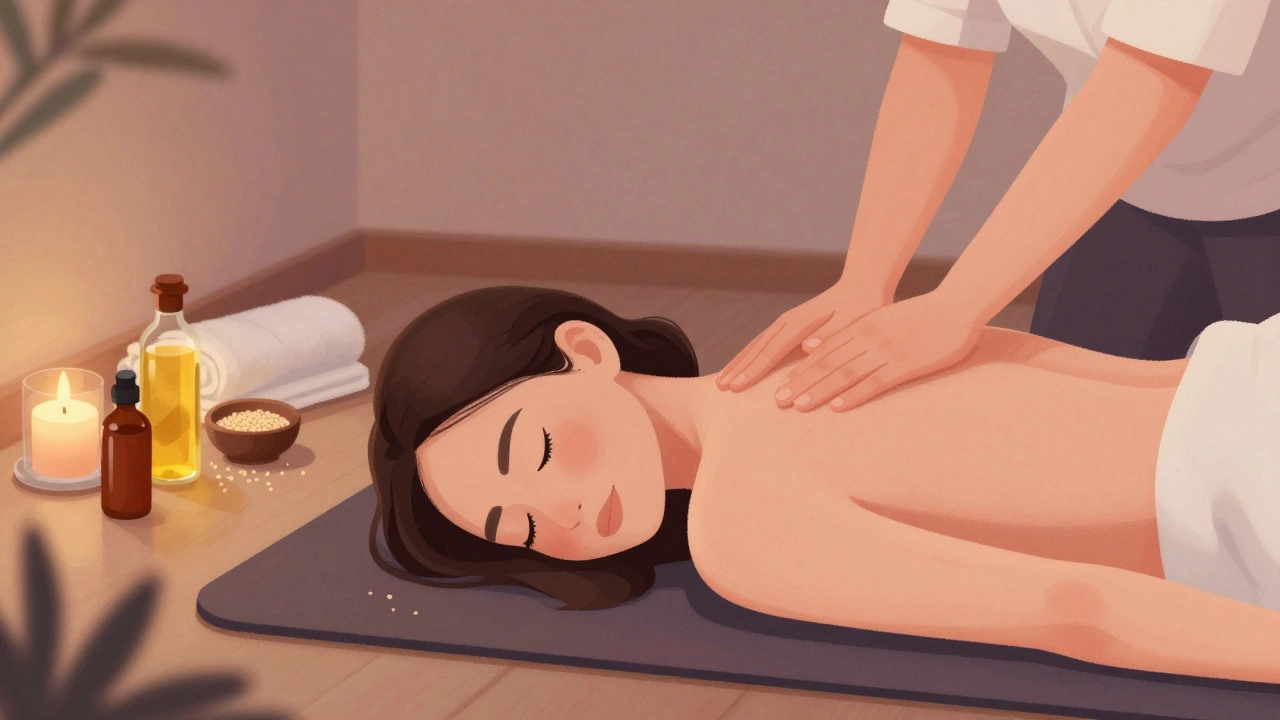
Keep yourself warm. Your pores are open after childbirth, making you susceptible to cold and wind. Wear loose, cotton clothing that covers your joints. Avoid direct exposure to fans or air conditioning. If you must use them, ensure the air does not blow directly on you. Regular oil massages, known as Abhyanga, are highly beneficial. Using warm sesame oil or a specialized postpartum oil, massage your body gently before bathing. This grounds your energy, reduces muscle tension, and improves circulation.
Emotional care is just as important. The first few weeks can be overwhelming. Hormonal fluctuations can lead to mood swings. Connect with supportive family members or friends who respect your need for quiet. Limit visitors to avoid sensory overload. Meditation or gentle breathing exercises can help stabilize your mind. Focus on gratitude and patience with yourself. Healing is not linear, and some days will be harder than others.
Common Mistakes to Avoid
Even well-meaning families can make mistakes during this period. One common error is pushing the mother to do household chores too early. Sweeping, cooking, or cleaning should be handled by others. Another mistake is ignoring signs of infection or severe depression. While Ayurveda offers holistic care, it does not replace medical treatment for complications. If you experience fever, heavy bleeding, or intense sadness, seek professional medical help immediately.
Also, avoid taking herbal supplements without guidance. Some herbs are powerful and can interfere with breastfeeding or interact with medications. Always consult an Ayurvedic practitioner before adding anything to your regimen. Lastly, don’t rush back to fitness routines. Yoga and exercise should be introduced gradually after the 40-day mark, starting with gentle stretches rather than intense workouts.
Transitioning After 40 Days
As you approach the end of the 40 days, you will notice changes. Your energy levels should start rising, and your digestion will improve. This is the time to slowly reintroduce more variety into your diet. You can start eating slightly heavier foods and increase your activity level. However, continue to prioritize warmth and nourishment. The habits formed during this period set the foundation for your long-term health.
Remember, the Ayurveda first 40 days is a gift to yourself. It is a chance to slow down, listen to your body, and emerge stronger. By honoring this tradition, you invest in your well-being and your ability to care for your child. Take it one day at a time, and trust the process.
Can I shower during the Ayurveda first 40 days?
Yes, you can shower, but there are guidelines. Use warm water, not cold. Keep the shower brief to avoid chilling your body. Dry off thoroughly and dress warmly immediately. Traditional practices sometimes suggest avoiding head baths for the first week, but hygiene is important. Listen to your body and stay comfortable.
Is the 40-day rule mandatory for all women?
While not legally mandatory, it is highly recommended by Ayurvedic practitioners for optimal recovery. Every woman’s body responds differently to childbirth. Following these guidelines helps prevent long-term complications like joint pain and chronic fatigue. Even if you cannot follow it strictly, adopting core principles like warm food and rest is beneficial.
What if I am breastfeeding? Does the diet change?
The dietary principles remain similar, but hydration becomes even more critical. Drink plenty of warm fluids to support milk production. Nourishing foods like ghee, nuts, and lentils also boost milk quality. Avoid spicy or overly heating foods if they cause discomfort for your baby. Consult a lactation consultant or Ayurvedic doctor for personalized advice.
How does Abhyanga help in postpartum recovery?
Abhyanga, or self-massage with warm oil, calms the Vata dosha. It improves blood circulation, relaxes muscles, and enhances skin elasticity. For new mothers, it also provides emotional comfort and reduces stress. The ritualistic nature of the massage can be grounding, helping to alleviate feelings of anxiety or overwhelm.
When can I resume normal exercise?
Wait until after the 40-day period before resuming intense exercise. Start with gentle walks and light stretching. Gradually increase intensity as your body feels ready. Core strengthening exercises should be introduced cautiously to support pelvic floor recovery. Always listen to your body and stop if you feel pain or excessive fatigue.