
Herbal Supplement Quality Checker
Select the features that apply to the brand or product you are considering.
Ready to Analyze
Select your options and click Analyze to see how this brand stacks up against industry standards.
Walking down the aisle of a health food store or scrolling through an online marketplace can feel overwhelming. You see dozens of bottles promising better sleep, sharper focus, or reduced inflammation. But here is the hard truth: not all herbal supplements are created equal. In fact, some contain fillers, heavy metals, or ingredients that aren’t even listed on the label. If you are asking, "What is the best herbal supplement company?" you are looking for more than just a brand name. You are looking for transparency, rigorous testing, and ethical sourcing.
The market is flooded with options, but only a few companies consistently meet the highest standards of purity and potency. This guide breaks down exactly what makes a supplement company trustworthy in 2026, highlights top contenders based on objective criteria, and gives you the tools to make a safe, informed choice for your health.
Why "Best" Depends on Your Needs
There is no single "best" company for everyone. The right choice depends on what you value most: clinical research, organic certification, affordability, or specific health goals like stress relief or joint support. However, certain non-negotiable factors apply to every reputable brand. Before looking at specific names, let’s define the gold standard for quality.
| Criteria | What to Look For | Why It Matters |
|---|---|---|
| Third-Party Testing | Certificates of Analysis (CoA) from labs like USP, NSF, or ConsumerLab | Ensures the product contains what it claims, with no hidden contaminants |
| GMP Certification | cGMP (Current Good Manufacturing Practices) compliance | Guarantees consistent quality control during manufacturing |
| Sourcing Transparency | Organic certifications (USDA Organic, EU Organic), fair-trade practices | Reduces exposure to pesticides and supports sustainable farming |
| Ingredient Purity | No unnecessary fillers, binders, artificial colors, or allergens | Prevents adverse reactions and ensures bioavailability |
| Scientific Backing | Use of clinically studied extracts (e.g., standardized ashwagandha) | Increases the likelihood of experiencing the intended benefits |
Top Contenders in the Herbal Supplement Industry
Based on these criteria, several companies stand out in 2026. These brands have built reputations on consistency, safety, and customer trust. While none are perfect, they represent the tier-one options available today.
Nordic Naturals
While primarily known for omega-3s, Nordic Naturals has expanded into a robust line of herbal supplements, particularly those focused on heart and brain health. Their commitment to molecular distillation and strict purity standards sets them apart. They source ingredients from wild-caught fish and sustainably farmed herbs, ensuring minimal environmental impact. If you prioritize ultra-pure formulas without synthetic additives, this is a strong candidate.
Garden of Life
Garden of Life is a pioneer in the organic supplement space. Their products are USDA Organic, Non-GMO Project Verified, and often gluten-free. They specialize in whole-food-based supplements, meaning their herbal extracts come from actual plants rather than synthetic isolates. For example, their vitamin D drops use lichen-derived D3, which is vegan-friendly. This brand is ideal for consumers who want clean, plant-powered nutrition backed by transparent supply chains.
Nature Made
If accessibility and doctor recommendations matter to you, Nature Made is a top pick. As one of the most recognized brands in pharmacies across the US, it holds the USP Verified Mark for many of its products. This means independent testing confirms identity, strength, and purity. While their herbal range is smaller than niche brands, their reliability and affordability make them a safe bet for beginners or those seeking basic support like melatonin or turmeric.
Thorne
Thorne caters to health-conscious individuals and professionals who demand clinical-grade precision. Their supplements undergo rigorous third-party testing, and they avoid common allergens and unnecessary excipients. Thorne partners with leading medical organizations and sports teams, lending credibility to their formulations. Their herbal offerings, such as curcumin phytosome complexes, are designed for maximum absorption. Choose Thorne if you need potent, scientifically optimized formulas for targeted health goals.
Traditional Medicinals
For tea enthusiasts and fans of traditional herbalism, Traditional Medicinals offers high-quality herbal teas and capsules. Founded by herbalist David Winston, the brand emphasizes ecological sustainability and community wellness. Their herbs are grown using regenerative agriculture practices. If you prefer gentle, daily herbal support in tea form or simple capsule formats, this brand delivers authentic botanical experiences.
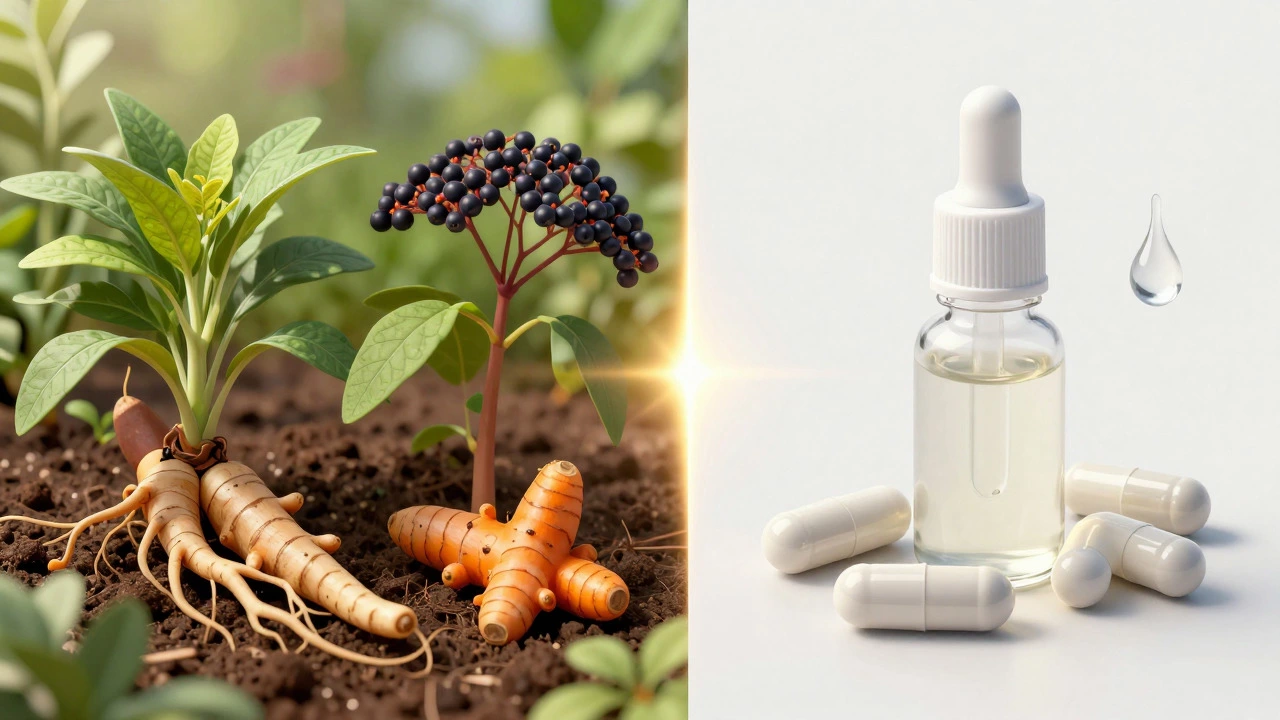
How to Verify a Supplement’s Quality Yourself
You don’t have to take a company’s word for it. Here’s how to dig deeper before buying:
- Check for Batch-Specific CoAs: Reputable companies provide Certificates of Analysis for each batch. Visit the brand’s website and look for a "Testing" or "Quality" section. Enter the lot number from your bottle to verify results.
- Look for Standardized Extracts: Instead of "100mg of Ashwagandha root," look for "100mg of Ashwagandha extract (5% withanolides)." Standardization ensures you get a consistent dose of active compounds.
- Avoid Proprietary Blends: Some brands hide low doses behind vague "proprietary blend" labels. Transparent brands list exact amounts of each ingredient.
- Read Beyond the Front Label: Scan the supplement facts panel for hidden sugars, magnesium stearate, or artificial dyes. Clean labels should be short and understandable.
Common Pitfalls to Avoid
The herbal supplement industry is loosely regulated compared to pharmaceuticals. This creates risks that savvy buyers must navigate:
- Contamination Risks: Herbs can absorb heavy metals like lead or arsenic from soil. Always choose brands that test for contaminants.
- Mislabeling: Studies have shown that some supplements contain different species of plants than advertised. Third-party verification mitigates this risk.
- Drug Interactions: Herbs like St. John’s Wort or Ginkgo Biloba can interact with prescription medications. Always consult your healthcare provider before starting new supplements.
- Overpromising: Be skeptical of claims like "cures anxiety" or "reverses aging." Supplements support health; they do not replace medical treatment.
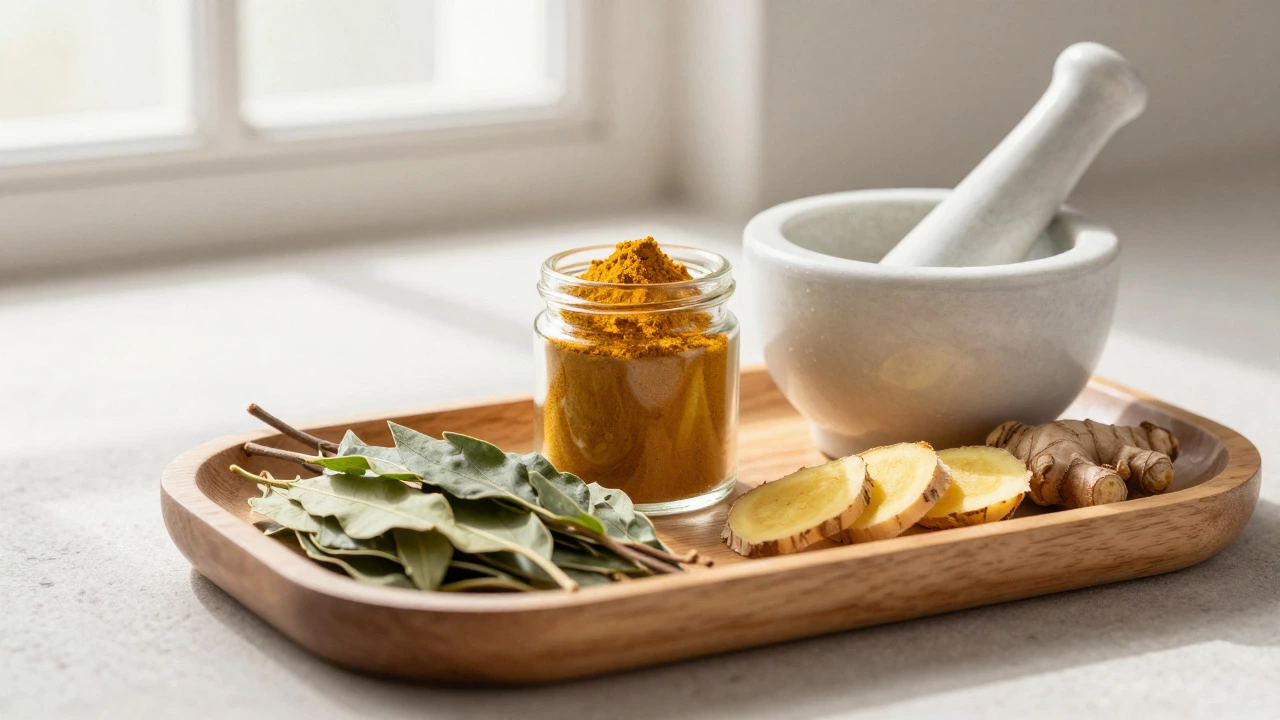
Choosing Based on Specific Health Goals
Your personal needs should drive your final decision. Here’s a quick guide:
- For Stress & Sleep: Look for brands offering adaptogens like Ashwagandha, Rhodiola, or L-Theanine. Garden of Life and Thorne offer well-researched formulas.
- For Immunity Support: Echinacea, Elderberry, and Astragalus are popular. Ensure the brand uses standardized extracts for efficacy.
- For Joint Health: Turmeric (Curcumin) and Boswellia are key. Thorne’s Curcumin Phytosome is highly rated for absorption.
- For Digestive Health: Ginger, Peppermint, and Probiotics help. Traditional Medicinals offers excellent herbal teas for digestion.
Final Thoughts on Making the Right Choice
Finding the best herbal supplement company isn’t about finding a magic bullet. It’s about partnering with a brand that respects your health enough to be transparent. Prioritize third-party testing, organic sourcing, and clear labeling. Start with small quantities to assess tolerance, and always involve your healthcare provider in your supplement journey. Your body deserves nothing less than pure, potent, and proven botanicals.
Are herbal supplements safe to take daily?
Most herbal supplements are safe for daily use when taken as directed and sourced from reputable companies. However, "natural" does not always mean harmless. Some herbs can cause side effects or interact with medications. Always consult a healthcare professional before starting any new supplement regimen, especially if you have underlying health conditions or are pregnant.
What does "third-party tested" mean?
Third-party testing means an independent laboratory, not owned by the supplement company, analyzes the product for purity, potency, and contaminants. Look for seals from organizations like USP, NSF International, or ConsumerLab.com. These tests ensure the product matches its label claims and is free from heavy metals, pesticides, and microbes.
Can I buy herbal supplements online safely?
Yes, buying online is convenient, but stick to official brand websites or trusted retailers like Amazon Pharmacy, iHerb, or Vitacost. Avoid unknown marketplaces where counterfeit products may circulate. Check for secure checkout (HTTPS) and read recent customer reviews to gauge freshness and service quality.
How long does it take for herbal supplements to work?
The timeline varies widely. Some herbs, like peppermint for digestion, may work within hours. Others, like ashwagandha for stress or turmeric for inflammation, may take 4-8 weeks of consistent use to show noticeable effects. Patience and consistency are key. Track your symptoms to evaluate effectiveness objectively.
Is expensive always better for herbal supplements?
Not necessarily, but higher prices often reflect better sourcing, organic certifications, and rigorous testing. Cheap supplements may cut corners on ingredient quality or skip third-party verification. Look for value in transparency and purity rather than just price. Mid-range brands like Nature Made offer good balance, while premium brands like Thorne justify costs through advanced delivery systems.
Do I need a prescription for herbal supplements?
No, herbal supplements are generally available over-the-counter (OTC) in most countries, including the US and India. However, because they are biologically active, it is wise to discuss them with your doctor, especially if you take prescription drugs. Some herbs can alter how medications are metabolized in the liver.
What is the difference between herbal extracts and whole herbs?
Whole herbs contain the entire plant material, while extracts concentrate specific active compounds. Extracts often provide higher potency and more consistent dosing, making them preferable for therapeutic effects. Whole herbs may offer broader phytonutrient profiles but require larger doses. Many high-quality brands use standardized extracts for reliability.
Are organic herbal supplements worth the extra cost?
Yes, if avoiding pesticides and herbicides is a priority. Conventional herbs can retain traces of agricultural chemicals. Organic certification ensures no synthetic pesticides were used during growth. For herbs consumed regularly or in large quantities, organic options reduce cumulative toxin exposure and support environmentally friendly farming practices.
Can herbal supplements replace prescribed medication?
Rarely. While herbs can support overall health and manage mild symptoms, they are not substitutes for FDA-approved medications for serious conditions like hypertension, diabetes, or depression. Always talk to your doctor before stopping or replacing prescription drugs with supplements. Abrupt changes can lead to health complications.
How should I store my herbal supplements?
Store supplements in a cool, dry place away from direct sunlight and moisture. Bathrooms and kitchens near sinks are poor choices due to humidity. Keep bottles tightly sealed to prevent oxidation. Some delicate herbs or probiotics may require refrigeration-check the label instructions for specific storage requirements to maintain potency.