Cancer Survival Calculator
Result
Key Tip:
When someone hears the word cancer, panic often follows. But not all cancers are the same. Some types are far easier to treat than others - especially when caught early. The truth is, there’s no single "easiest" cancer, but several have very high cure rates when diagnosed in the earliest stages. If you or someone you love is facing a diagnosis, knowing which cancers respond best to treatment can bring clarity and hope.
Why "easiest" depends on timing
There’s a big difference between "curable" and "easy." A cancer might be highly treatable, but only if found before it spreads. Skin cancer, for example, has a 99% five-year survival rate when caught early. But if it’s ignored and grows deep into the skin or spreads to lymph nodes, the survival rate drops sharply. That’s why "easiest" really means "most likely to be caught early and fully removed."
Modern screening tools, regular check-ups, and public awareness have turned some cancers from death sentences into manageable conditions. The key isn’t just the type - it’s the stage.
Thyroid cancer: Often caught early, rarely spreads
Thyroid cancer is one of the most treatable cancers today. About 98% of people diagnosed with localized thyroid cancer live at least five years after diagnosis. That number stays above 95% even if it spreads slightly to nearby lymph nodes.
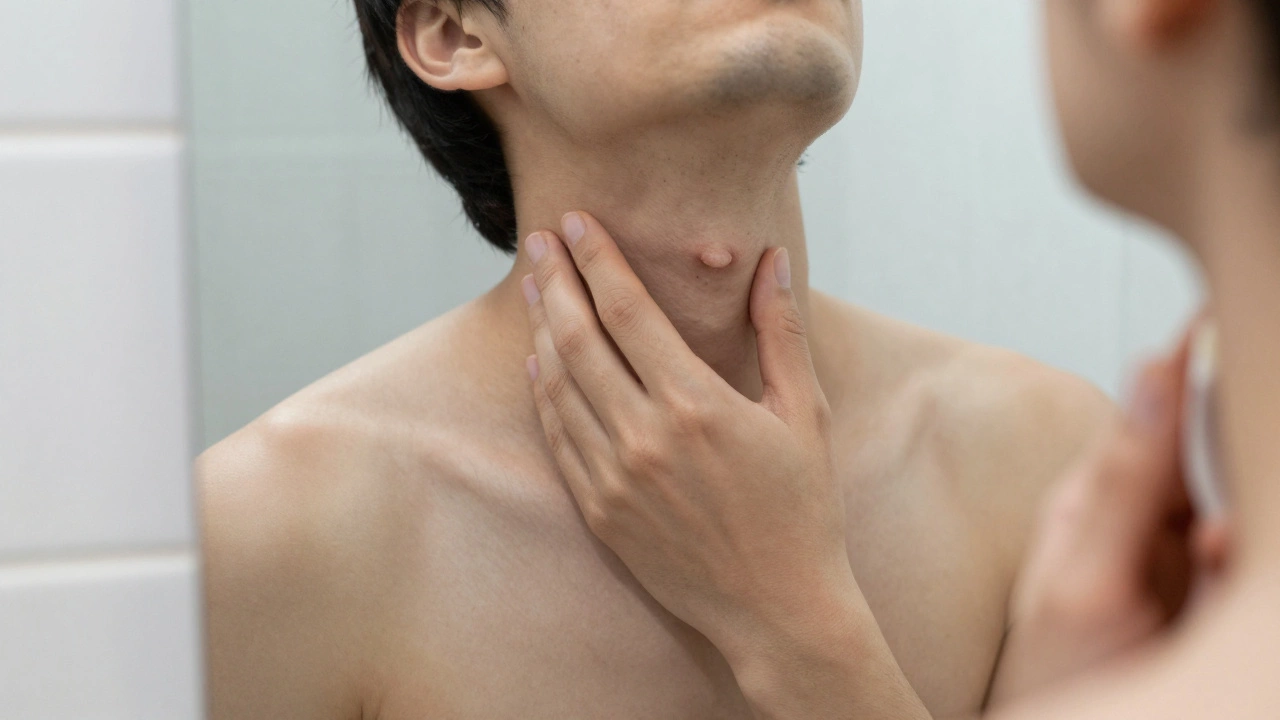
Most thyroid cancers are found because someone notices a lump in their neck - often during a routine exam or while shaving. A simple ultrasound and biopsy can confirm it. Treatment usually involves removing the thyroid gland and taking a daily hormone pill to replace what’s lost. Radioactive iodine therapy may follow to destroy any remaining cancer cells. Many patients return to normal life within weeks, with no long-term side effects.
Unlike aggressive cancers that attack organs silently, thyroid cancer rarely spreads fast. It’s slow-growing, and the body responds well to treatment. This is why doctors often call it "the cancer you can survive without even knowing you had it."
Testicular cancer: High cure rate even in advanced cases
Testicular cancer is another standout. It mostly affects men between 15 and 35, and it’s one of the most curable solid tumors in adults. Even when it spreads to lymph nodes or lungs, over 95% of patients survive five years or more.
Why? Because it’s highly sensitive to chemotherapy and radiation. A single round of chemo can wipe out most cases. Early detection is simple: monthly self-exams. If you feel a hard lump or heaviness in the scrotum, get it checked. Most cases are found this way - before symptoms like back pain or swelling appear.
Doctors have been refining treatment for decades. Today, many men keep their fertility and return to full activity within months. The emotional toll can be heavy, but the medical outcome is among the best in oncology.
Early-stage breast cancer: Screenings save lives
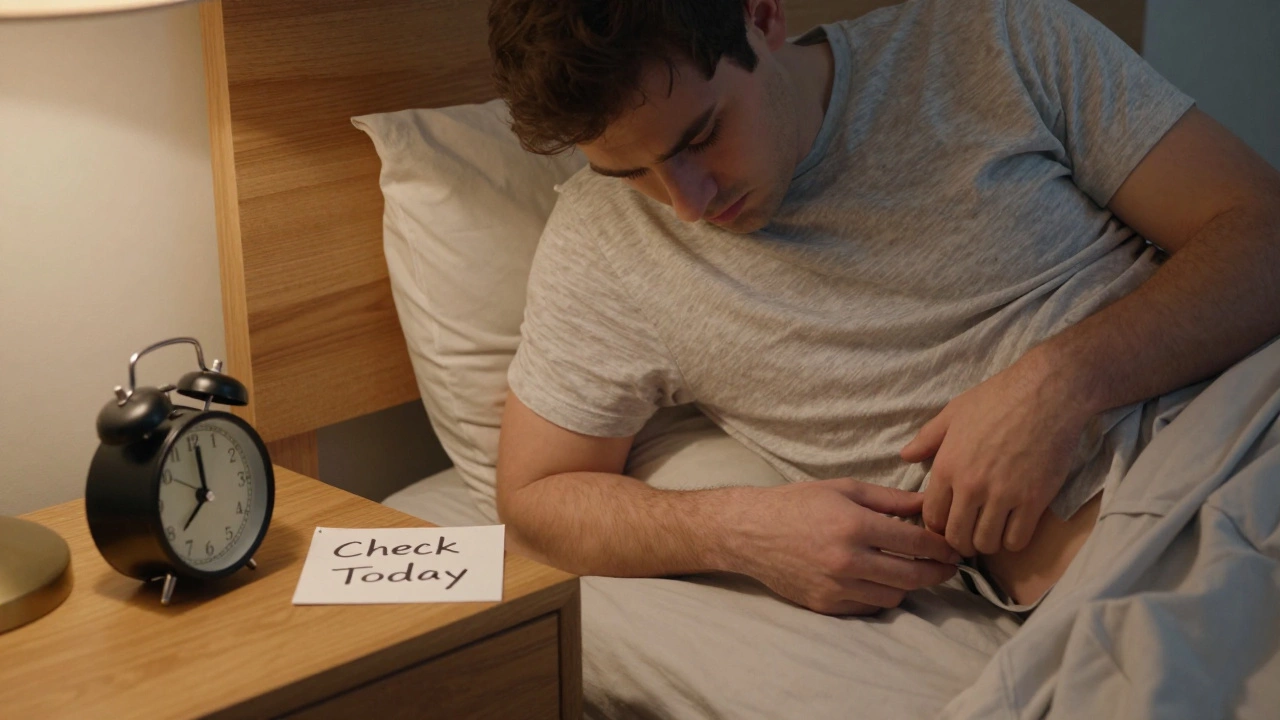
Breast cancer is common - but not hopeless. When caught at stage 0 or stage 1, the five-year survival rate is nearly 100%. Mammograms, self-exams, and newer genetic testing have made early detection routine for many women.
Treatment often starts with surgery - either removing just the tumor (lumpectomy) or the whole breast (mastectomy). Radiation, hormone therapy, or targeted drugs may follow, depending on the cancer’s biology. Many patients avoid chemotherapy entirely if the tumor is small and hormone-sensitive.
What makes early-stage breast cancer treatable? It grows slowly. It often doesn’t spread until years after it starts. And we have powerful tools to block its growth - drugs like tamoxifen or aromatase inhibitors can cut recurrence risk by half.
Women who get regular screenings and act on changes in their breasts have an excellent chance of long-term survival. The key is not ignoring a lump or change in texture.
Melanoma: Skin cancer that can be deadly - if ignored
Not all skin cancers are equal. Basal cell and squamous cell carcinomas are common and rarely spread. But melanoma? That’s the one to watch.
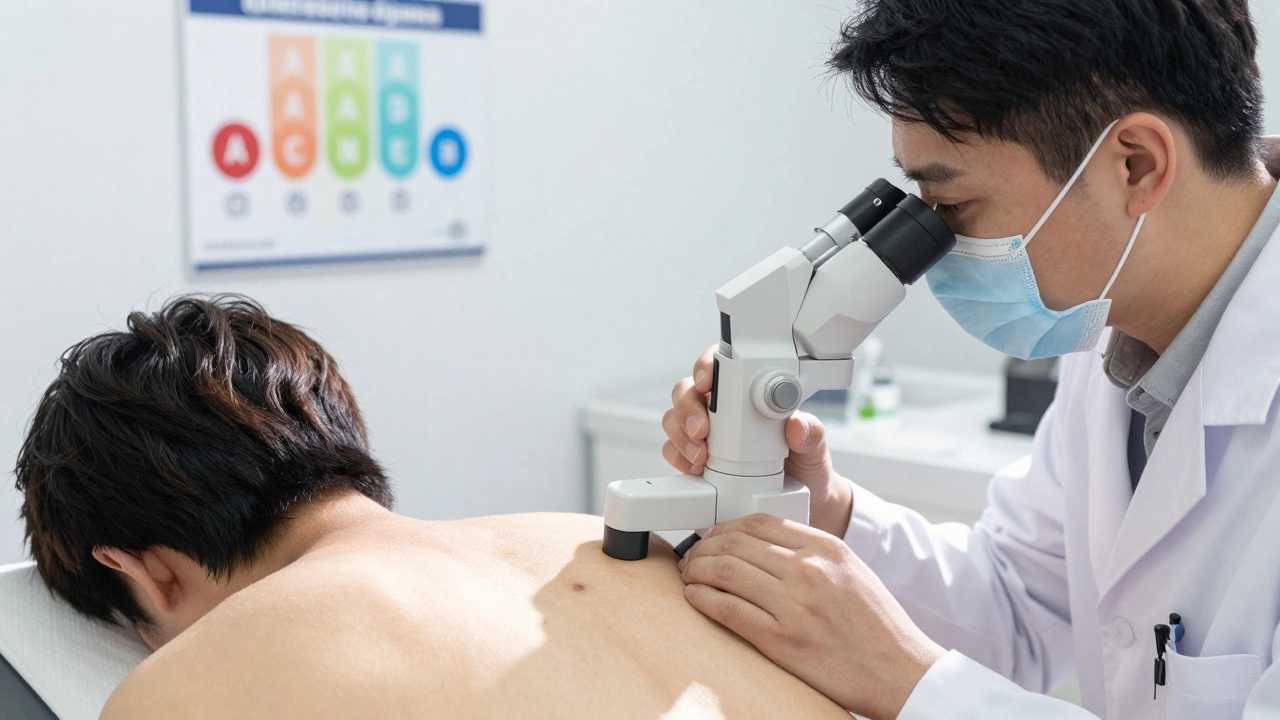
When melanoma is caught before it goes deeper than 1 millimeter into the skin, the cure rate is over 99%. That’s why dermatologists stress the ABCDE rule: Asymmetry, Border irregularity, Color variation, Diameter larger than a pencil eraser, and Evolving changes.
A simple excision - cutting out the mole and a small margin of healthy skin - is often all that’s needed. No chemo. No radiation. Just surgery and follow-up checks.
But if melanoma spreads to lymph nodes or organs, survival drops to 30% or lower. That’s why early detection isn’t optional - it’s life-saving. A yearly skin check with a dermatologist, plus monthly self-checks, can prevent the worst outcomes.
Prostate cancer: Slow, common, and often harmless
Prostate cancer is the most common cancer in men after skin cancer. But here’s the twist: many men live with it for years without ever needing treatment.
Doctors now use active surveillance for low-risk cases - meaning they monitor PSA levels and biopsies closely but don’t rush into surgery or radiation. Why? Because prostate cancer often grows so slowly that it never becomes dangerous. Treating it too early can cause side effects like incontinence or impotence - worse than the cancer itself.
When treatment is needed, options include surgery, radiation, or hormone therapy. Survival rates for localized prostate cancer are nearly 100%. Even when it spreads, many men live for years with controlled disease.
What makes it "easy"? It’s predictable. We know which tumors are harmless. We know which need action. And we have tools to manage it without destroying quality of life.
What makes a cancer "easier" to treat?
These cancers share common traits:
- They grow slowly - giving time to detect and act.
- They respond well to surgery, radiation, or targeted drugs.
- They have reliable screening methods - mammograms, ultrasounds, skin checks, self-exams.
- They rarely spread aggressively in early stages.
- They’re often found because they cause visible or noticeable symptoms.
Contrast this with pancreatic cancer, lung cancer, or glioblastoma - cancers that often show no symptoms until they’re advanced, spread quickly, and resist treatment. Those are the ones that scare people. But they’re not the whole story.
Don’t wait for symptoms - get screened
The easiest cancers to treat are the ones you catch before they hurt. That’s why screening matters more than fear.
Men over 40 should do monthly testicular self-exams. Women over 40 should get mammograms every 1-2 years. Everyone should check their skin for new or changing moles. Anyone with a family history of thyroid or colon cancer should talk to their doctor about earlier screening.
Early detection isn’t about being paranoid. It’s about being smart. One quick doctor visit can change everything.
Survival isn’t just about survival - it’s about living well
Treating cancer isn’t just about living longer. It’s about living better. The cancers with the highest cure rates often let people return to work, travel, raise kids, and enjoy life without major side effects. That’s the real win.
Yes, cancer is serious. But it’s not one monster. It’s hundreds of different diseases. And for many, the outcome today is not just survival - it’s recovery.