Medical Travel Nutrition Planner
Select Your Focus Areas
Click on the cards that match your situation.Post-Surgical Recovery
Focus on tissue repair, collagen synthesis, and inflammation control.
Gut Health & Immunity
Restoring microbiome balance after antibiotics or travel disruption.
Travel Fatigue & Hydration
Combating jet lag, dehydration, and oxidative stress from flights.
Bone & Joint Support
Calcium, Vitamin D, and protein for orthopedic procedures.
Fertility & Hormonal Balance
Folate-rich foods and antioxidants for reproductive health.
Weight Management
Sustained energy, low sugar, and high fiber for bariatric or general health.
Your Customized Plan
Priority Foods
Actionable Tips
Select your focus areas above to see your personalized nutrition strategy.
There is no single magic bullet. If you are waiting for a list that names one specific item as the absolute best thing to eat, you will be disappointed. Nutrition science does not work that way. The concept of the "healthiest food" is a myth designed to sell supplements and fad diets. Instead, the truth is much more practical: the healthiest diet is a diverse pattern of whole, unprocessed foods that supports your body’s ability to heal, recover, and function optimally.
This distinction matters deeply if you are involved in medical tourism, which involves traveling across borders to receive healthcare services. When you fly halfway around the world for surgery, dental work, or fertility treatments, your body undergoes significant stress. You face jet lag, changes in water quality, unfamiliar bacteria, and the physical trauma of the procedure itself. In this context, what you eat becomes part of your treatment plan. It is not just about maintaining weight; it is about reducing inflammation, supporting immune function, and accelerating tissue repair.
The Real Contenders for "Healthiest Food"
If we strip away the marketing hype and look at nutrient density-the amount of vitamins, minerals, and antioxidants per calorie-a few categories consistently rise to the top. These are not exotic superfoods that cost a fortune. They are accessible, affordable, and scientifically backed.
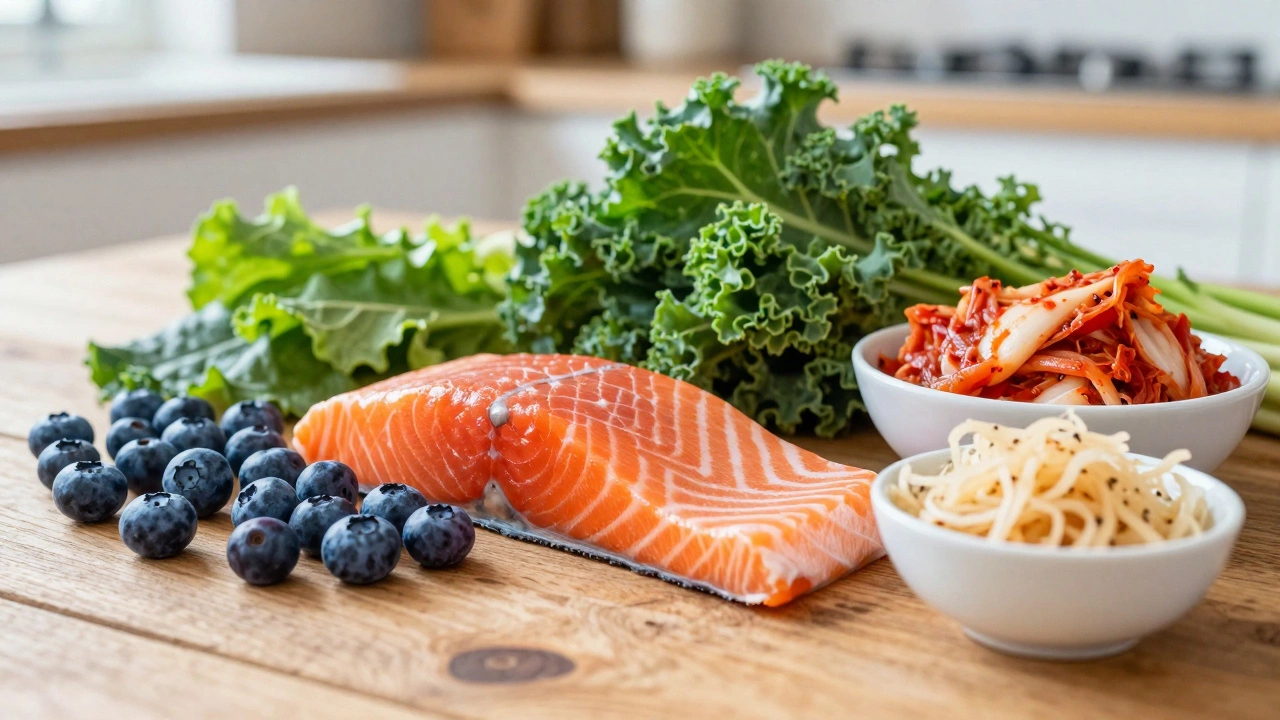
Fermented Foods are arguably the most critical category for travelers. Your gut microbiome is your second brain. It regulates immunity, mood, and digestion. When you travel, your gut flora gets disrupted by new environments. Fermented foods like sauerkraut, kimchi, kefir, and miso introduce beneficial bacteria (probiotics) directly into your system. For a patient recovering from abdominal surgery or antibiotic-heavy treatments, restoring gut diversity is essential for preventing infections and aiding nutrient absorption.
Fatty Fish, particularly salmon, mackerel, and sardines, provide high levels of Omega-3 fatty acids. These fats are potent anti-inflammatories. If you have just undergone orthopedic surgery or joint replacement, controlling inflammation is key to reducing pain and swelling without relying solely on medication. Omega-3s also support cardiovascular health, which is crucial if you are sitting in economy class for long-haul flights.
Berries, especially blueberries and strawberries, are packed with anthocyanins. These compounds combat oxidative stress. Oxidative stress increases during air travel due to radiation exposure and dehydration. Eating a handful of berries helps neutralize free radicals that can damage cells and slow down healing processes.
| Food Group | Key Benefit | Best For |
|---|---|---|
| Fermented Foods | Gut microbiome restoration | Post-antibiotic recovery |
| Fatty Fish | Anti-inflammatory Omega-3s | Surgery & joint health |
| Berries | Antioxidant protection | Combatting travel fatigue |
| Leafy Greens | Vitamin K & Iron | Blood health & bone repair |
| Nuts & Seeds | Healthy fats & protein | Sustained energy |
Why Diet Matters More During Medical Tourism
When you stay in your home country, you know your local food supply. You know which restaurants use fresh ingredients and which ones cut corners. As a medical tourist, you lose that familiarity. This creates a unique set of challenges that require a strategic approach to eating.
First, consider the risk of infection. In many popular medical tourism destinations, street food is delicious but risky. Bacteria like E. coli or Salmonella can cause severe gastrointestinal distress. For a healthy person, this might mean a bad day. For someone who has just had bariatric surgery or an organ transplant, it can be life-threatening. The "healthiest food" in this scenario is often the safest food: thoroughly cooked, peeled, or bottled options.
Second, think about hydration and electrolytes. Air travel dehydrates you rapidly. Dehydration thickens blood, increasing the risk of deep vein thrombosis (DVT), a serious concern for post-surgical patients. Foods with high water content, such as cucumbers, watermelon, and celery, help rehydrate you naturally. Pairing these with potassium-rich foods like bananas or avocados helps restore electrolyte balance lost through sweat and dry cabin air.
Third, there is the issue of sugar. Many international hotel buffets and restaurant menus are laden with refined sugars and processed carbohydrates. High sugar intake spikes insulin, which promotes inflammation and slows wound healing. Avoiding these traps is not about dieting; it is about ensuring your surgical site heals correctly.

Building Your Pre-Travel Nutrition Plan
You should start optimizing your diet weeks before you board the plane. This is known as nutritional priming. If you are heading for cosmetic surgery, for example, focus on collagen-supporting nutrients. Vitamin C is essential for collagen synthesis. Citrus fruits, bell peppers, and broccoli are excellent sources. Zinc, found in pumpkin seeds and lean meats, aids in cell division and protein synthesis, both vital for skin repair.
If you are traveling for fertility treatments, the focus shifts to hormonal balance. Foods rich in folate (leafy greens, legumes) and antioxidants (nuts, berries) support egg and sperm quality. Reducing dairy and gluten may help lower systemic inflammation, creating a more receptive environment for implantation.
For orthopedic procedures, calcium and Vitamin D are non-negotiable. While sunlight provides Vitamin D, many travelers do not get enough sun exposure immediately after surgery due to mobility restrictions. Incorporating fortified foods or safe supplementation under doctor’s guidance is wise. Protein intake must also increase to support muscle retention during periods of reduced activity.
Navigating Foreign Cuisine Safely
One of the joys of medical tourism is experiencing the local culture, including its food. However, you must balance enjoyment with safety. Here is how to navigate foreign menus without compromising your health:
- Stick to cooked foods: Heat kills most pathogens. Grilled meats, steamed vegetables, and hot soups are generally safer than raw salads or unpeeled fruits, unless you peel them yourself.
- Avoid tap water: Always drink bottled water. Use it for brushing teeth as well. Ice cubes are often made from tap water, so request drinks without ice.
- Watch the spices: Spicy foods can irritate the digestive tract, especially if you are taking pain medications that may already upset your stomach. Start mild and adjust gradually.
- Identify allergens: Language barriers can make identifying ingredients difficult. Learn key phrases like "I am allergic to..." in the local language. Carry translation cards if necessary.
- Prioritize freshness: Choose restaurants with high turnover. Freshly prepared meals are less likely to harbor bacteria than dishes left out for hours.
The Role of Supplements vs. Whole Foods
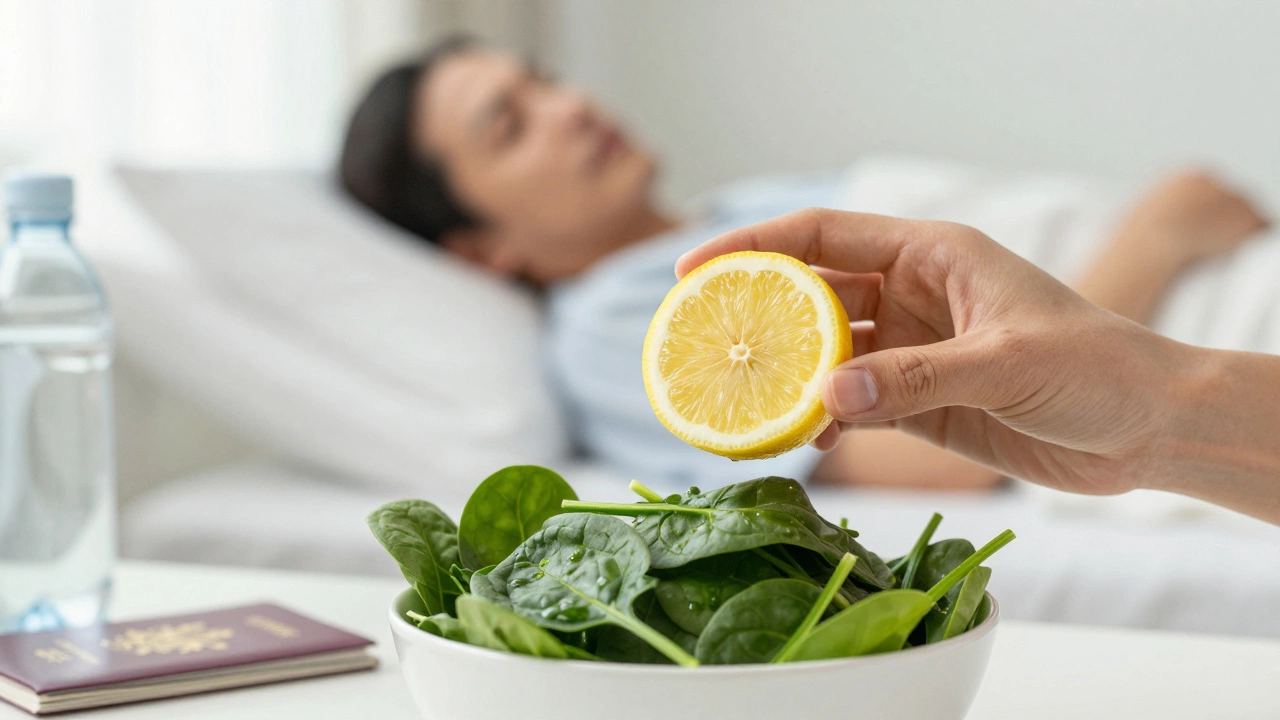
Many medical tourists rely on supplements to bridge nutritional gaps. While supplements have their place, they are not a substitute for whole foods. Whole foods offer synergistic effects-nutrients working together in ways that isolated pills cannot replicate. For instance, the iron in spinach is better absorbed when paired with the vitamin C in lemon juice. No pill can mimic this interaction perfectly.
However, there are exceptions. Vitamin D deficiency is common globally, and getting enough from food alone is difficult. Magnesium is another mineral often lacking in modern diets, yet it is crucial for muscle relaxation and nerve function. If your doctor recommends specific supplements for your procedure, take them as directed. But do not assume that popping a multivitamin gives you a free pass to eat poorly.
Post-Procedure Recovery Eating
Once you return home, your dietary strategy should shift again. The goal now is sustained recovery. Continue to prioritize anti-inflammatory foods. Reduce alcohol consumption, as it interferes with sleep and liver function, both of which are critical for healing. Stay hydrated. Monitor your weight, especially if mobility was limited during recovery, to prevent unnecessary strain on joints or incisions.
Keep a food diary during this period. Note how different foods make you feel. Do certain vegetables cause bloating? Does dairy affect your energy levels? This self-knowledge is invaluable for long-term health management.
Is there really one single healthiest food?
No. Nutrition science emphasizes variety and balance over single "superfoods." A diet rich in diverse vegetables, fruits, lean proteins, and healthy fats is far superior to focusing on one item.
Can I eat street food while recovering from surgery abroad?
It is generally risky. Street food may carry higher bacterial loads. Stick to freshly cooked, hot meals from reputable establishments to avoid infections that could complicate your recovery.
How does diet affect healing after medical tourism?
Protein supports tissue repair, Vitamin C aids collagen formation, and anti-inflammatory foods reduce swelling. Poor nutrition can delay healing and increase infection risk.
Should I take probiotics when traveling for medical care?
Yes, especially if you are taking antibiotics. Probiotics help maintain gut health and prevent diarrhea, a common side effect of antibiotics and travel-related digestive changes.
What foods should I avoid before flying for surgery?
Avoid heavy, greasy, or highly spiced meals right before flying, as they can cause nausea and discomfort. Also limit alcohol and excessive caffeine, which contribute to dehydration.