
Nerve Pain Medication Suitability Checker
Your Profile
Select your profile details and click "Check Suitability" to see potential medication matches.
Understanding Nerve Pain and Why Standard Painkillers Fail
If you have ever tried to treat a sharp, burning, or shooting pain with ibuprofen or acetaminophen only to feel nothing but disappointment, you are not alone. This frustration stems from a fundamental misunderstanding of how nerve damage works compared to muscle or joint injury. When your orthopedic doctor diagnoses neuropathic pain, also known as neuropathy, they are telling you that the wiring system of your body is malfunctioning, not just the hardware.
Standard non-steroidal anti-inflammatory drugs (NSAIDs) target inflammation in tissues. They work well for a sprained ankle or arthritis flare-up because they reduce swelling around the joints. However, nerve pain originates from damaged nerves sending false signals to the brain. Since there is often no inflammation to stop, traditional painkillers simply miss the mark. To find the strongest drug for nerve pain, we need to look at medications designed specifically to calm overactive nerves rather than soothe irritated muscles.
The Gold Standard: Anticonvulsants for Neuropathy
When patients ask what the most effective medication is, the answer usually points toward a class of drugs originally developed to treat epilepsy. These anticonvulsants stabilize electrical activity in the brain and nerves, preventing the chaotic firing that causes pain. The two heavyweights in this category are Gabapentin and a medication used to treat seizures and nerve pain by calming overactive nerves and its close relative, Pregabalin.
Gabapentin has been a staple in pain management for decades. It binds to specific proteins on nerve cells, reducing the release of neurotransmitters that signal pain. It is particularly effective for postherpetic neuralgia (pain after shingles) and diabetic neuropathy. Because it is generic and widely available, it is often the first line of defense prescribed by doctors. However, it requires careful titration; you start with a low dose and gradually increase it to avoid dizziness and sedation.
Pregabalin works similarly but enters the bloodstream more quickly and predictably. Many patients report feeling relief sooner with pregabalin compared to gabapentin. Studies suggest that pregabalin may offer slightly stronger pain reduction for certain types of neuropathy, making it a preferred choice when gabapentin fails to provide adequate relief. Both drugs require a prescription and should be monitored by a healthcare provider due to potential side effects like weight gain and cognitive fog.
Antidepressants That Double as Pain Killers
It might seem counterintuitive, but antidepressants are among the most powerful tools against nerve pain. Specifically, a subclass called serotonin-norepinephrine reuptake inhibitors (SNRIs) and tricyclic antidepressants (TCAs) alter how the brain processes pain signals. They do not necessarily make you feel happier; instead, they raise the threshold for pain perception.
Duloxetine is currently one of the most recommended SNRIs for chronic musculoskeletal pain and diabetic neuropathy. Clinical trials have shown that duloxetine can significantly reduce pain intensity while improving physical function. It is particularly useful for patients who also struggle with anxiety or depression, which often accompany chronic pain conditions. Another option is Amitriptyline, an older TCA that is highly effective but comes with more side effects, such as dry mouth and drowsiness. Doctors often prescribe amitriptyline at lower doses than those used for depression, focusing solely on its pain-blocking capabilities.
Topical Treatments for Localized Relief
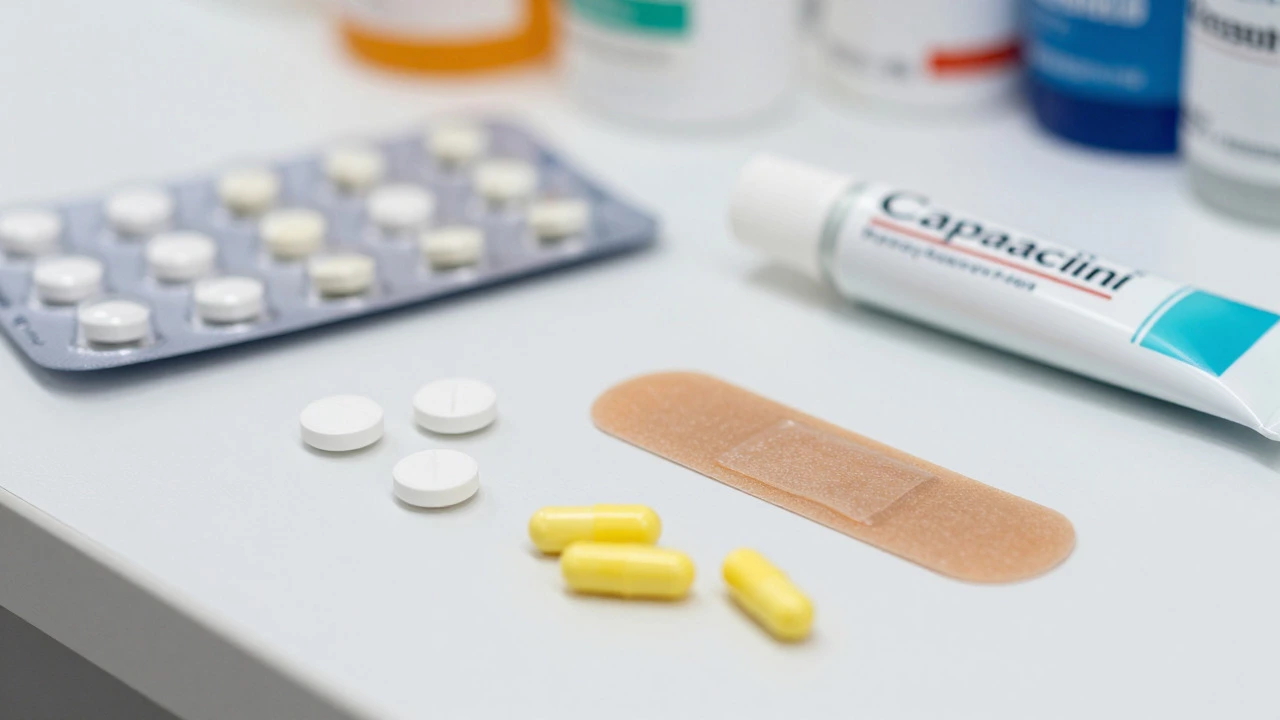
Not all nerve pain requires systemic medication that affects your entire body. For localized issues, such as post-surgical nerve irritation or mild diabetic neuropathy in the feet, topical treatments can be incredibly effective with fewer side effects. Lidocaine patches deliver a local anesthetic directly to the affected area, numbing the superficial nerves without causing the grogginess associated with oral medications.
Another emerging option is Capsaicin cream. Derived from chili peppers, capsaicin depletes substance P, a chemical involved in transmitting pain signals. While it may cause a burning sensation upon initial application, regular use can lead to significant long-term pain reduction. These topical options are excellent adjuncts to oral medications, allowing patients to potentially lower their dosage of systemic drugs.
Opioids: The Last Resort
You might wonder if opioids, such as oxycodone or tramadol, are the strongest drugs for nerve pain. While they are potent analgesics, medical guidelines generally reserve them for severe cases where other treatments have failed. Opioids carry a high risk of dependency, tolerance, and overdose. Furthermore, research indicates that they are less effective for neuropathic pain than for nociceptive pain (tissue injury). If an orthopedic specialist prescribes an opioid, it is usually at a low dose and for a short duration, strictly under supervision.
Comparison of Common Nerve Pain Medications
| Medication | Class | Primary Use | Key Side Effects |
|---|---|---|---|
| Gabapentin | Anticonvulsant | Diabetic neuropathy, Postherpetic neuralgia | Dizziness, fatigue, swelling |
| Pregabalin | Anticonvulsant | Fibromyalgia, Spinal cord injury pain | Weight gain, drowsiness, blurred vision |
| Duloxetine | SNRI Antidepressant | Chronic musculoskeletal pain, Diabetic neuropathy | Nausea, dry mouth, insomnia |
| Amitriptyline | TCA Antidepressant | Generalized neuropathic pain | Sedation, dry mouth, constipation |
| Lidocaine Patch | Local Anesthetic | Localized postherpetic neuralgia | Skin redness, itching at application site |

Factors Influencing Treatment Choice
There is no single "strongest" drug for everyone. The best medication depends on several individual factors. Your age plays a significant role; older adults may be more sensitive to the sedative effects of gabapentin or amitriptyline. Kidney function is crucial because gabapentin and pregabalin are excreted by the kidneys, requiring dose adjustments for patients with renal impairment. Additionally, existing health conditions like heart disease or glaucoma may contraindicate certain antidepressants.
Your lifestyle also matters. If you drive frequently or operate heavy machinery, medications that cause significant drowsiness might not be suitable during the day. Some patients prefer taking medication at night to aid sleep, as nerve pain often worsens at night. Discussing these practical concerns with your doctor ensures the chosen treatment fits seamlessly into your daily routine.
Integrating Non-Pharmacological Approaches
Medication is rarely a standalone cure. Combining drugs with physical therapy, acupuncture, or transcutaneous electrical nerve stimulation (TENS) can enhance outcomes. Physical therapists can design exercises to improve circulation and strengthen supporting muscles, reducing pressure on irritated nerves. In Bangalore, many orthopedic centers now offer integrated pain clinics where pharmacologists, physiotherapists, and surgeons collaborate to create holistic treatment plans. This multidisciplinary approach addresses both the biological and functional aspects of nerve pain, leading to better long-term management.
Monitoring and Adjusting Treatment
Starting nerve pain medication is a process of trial and error. It may take weeks to find the right dose and combination. Keep a pain diary to track your symptoms, noting the intensity of pain, side effects, and any triggers. Share this data with your healthcare provider. If one medication isn't working, don't lose hope. Switching classes, such as moving from an anticonvulsant to an SNRI, or combining low doses of different drugs, often yields success. Patience and open communication are key to managing neuropathic pain effectively.
Is gabapentin stronger than pregabalin?
Pregabalin is generally considered more potent per milligram than gabapentin and has better bioavailability, meaning more of the drug reaches your bloodstream. However, "strength" is subjective. Some patients respond better to gabapentin due to fewer side effects or cost considerations. Pregabalin often provides faster relief, but individual response varies significantly.
Can I take ibuprofen for nerve pain?
Ibuprofen is typically ineffective for pure nerve pain because it targets inflammation, not nerve signaling. While it might help if there is concurrent inflammation pressing on a nerve, it will not resolve the underlying neuropathic signal. Relying solely on NSAIDs for neuropathy can lead to unnecessary stomach issues without pain relief.
How long does it take for duloxetine to work for nerve pain?
Duloxetine may take 2 to 4 weeks to show noticeable pain relief. Unlike immediate-release painkillers, SNRIs work by gradually altering brain chemistry. Consistency is crucial; missing doses can delay effectiveness. If no improvement is seen after 6 to 8 weeks, consult your doctor about adjusting the dose or trying a different medication.
Are there natural remedies for nerve pain?
Some supplements like alpha-lipoic acid and vitamin B12 may support nerve health, especially in diabetic neuropathy. Magnesium can help relax muscles and reduce nerve excitability. However, evidence for natural remedies is mixed, and they should complement, not replace, prescribed medications. Always check with your doctor before starting supplements to avoid interactions.
What are the risks of long-term gabapentin use?
Long-term use of gabapentin can lead to dependence, though it is not an opioid. Common long-term side effects include weight gain, peripheral edema (swelling in legs), and cognitive changes like memory issues or confusion, particularly in older adults. Regular monitoring by a healthcare provider is essential to manage these risks and adjust dosages as needed.