IVF Pain & Discomfort Estimator
Select an IVF stage below to see typical pain levels, duration, and management tips. Adjust the sliders to personalize your estimated experience.
Hormone Injections
Score: 2/10
Typical Sensation
Pinching, stinging, bruising at injection sites.
Duration
8–14 Days
Management Tips
- Rotate injection sites daily.
- Use numbing cream (lidocaine) 30 mins prior.
- Apply ice packs after injection if bruised.
Ask ten people who’ve gone through In Vitro Fertilization (IVF) about their worst moment, and you’ll get ten different answers. Some will tell you it was the daily injections in their abdomen. Others will swear it was the emotional rollercoaster of waiting for results. But if we’re talking strictly physical sensation? The answer is surprisingly specific.
The most physically painful part of IVF isn’t usually the embryo transfer-that’s often described as mild cramping, similar to a Pap smear. It’s not even the blood draws. For most patients, the peak of physical discomfort comes during two distinct phases: the intense bloating caused by Ovarian Hyperstimulation Syndrome (OHSS) or high-response stimulation, and the recovery period immediately following the egg retrieval.
Why Everyone’s Experience Is Different
Pain is subjective, but biology plays a huge role here. Your response to medication dictates your experience. If you are a "high responder"-meaning your ovaries produce many follicles-you face a higher risk of significant swelling and pressure. Conversely, if you have conditions like endometriosis or fibroids, the physical act of retrieving eggs can be more challenging and uncomfortable than for someone with straightforward anatomy.
It’s also worth noting that modern medicine has improved comfort levels significantly. Ten years ago, many retrievals were done with only local anesthesia or sedation. Today, most clinics use conscious sedation or general anesthesia, making the procedure itself largely painless. The pain creeps in when the anesthesia wears off and your body reacts to being poked and prodded.
The Injections: Annoying, Not Agonizing
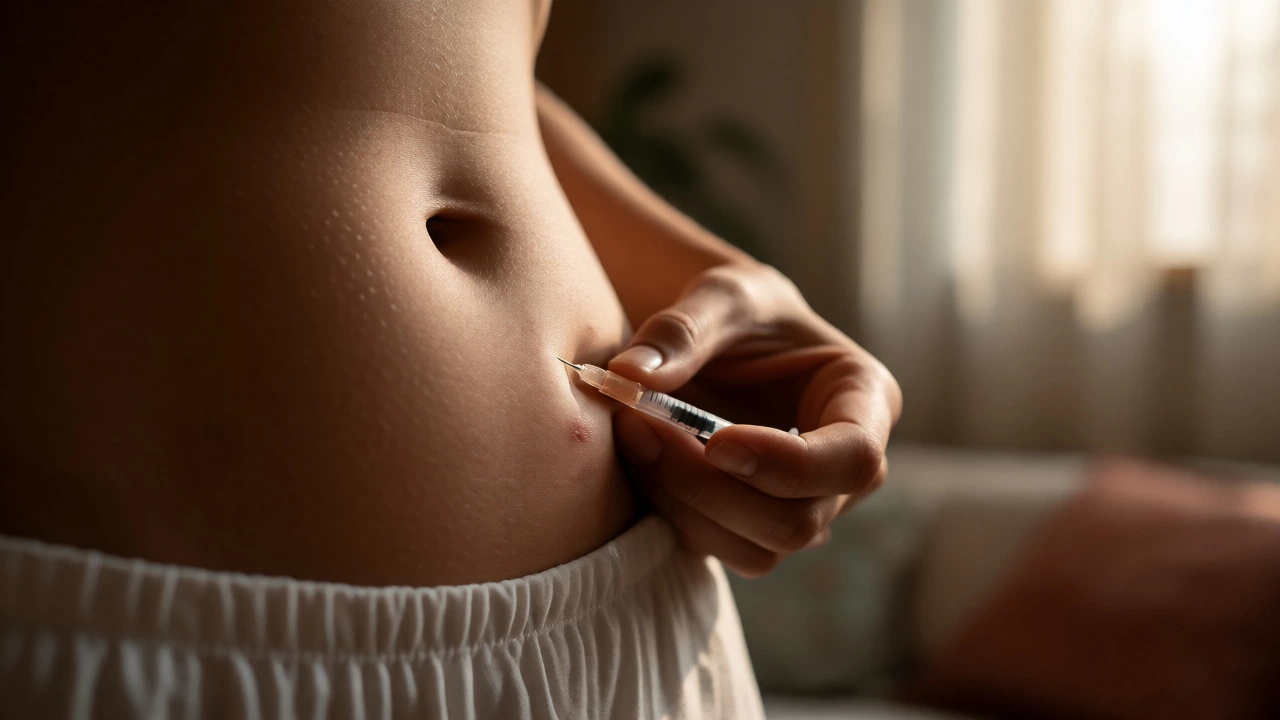
Let’s tackle the elephant in the room first: the needles. The IVF cycle starts with 8-14 days of daily hormone injections. These are subcutaneous shots, meaning they go into the fat layer under the skin, usually on the belly or thigh.
- The Needle Size: They are tiny. We’re talking insulin syringes, often thinner than what diabetics use.
- The Sensation: A quick pinch, sometimes followed by a brief sting or burning sensation as the liquid enters the tissue.
- The Cumulative Effect: The pain isn’t from one shot; it’s from doing it every day at the same time. Bruising is common. Soreness accumulates.
Most patients describe this phase as "tedious" rather than "painful." You get used to the routine. However, if you hit a nerve or inject into an already bruised area, it can flare up. Rotating injection sites is crucial to keep the discomfort manageable.
The Egg Retrieval: Procedure vs. Recovery
This is where the narrative splits. During the procedure, you are asleep or heavily sedated. You feel nothing. The doctor uses an ultrasound-guided needle to aspirate fluid from your ovarian follicles. It takes about 15-30 minutes.
The real story is the next 24-48 hours. Once you wake up, you might feel:
- Generalized abdominal soreness.
- Bloating due to the enlarged ovaries.
- Mild cramping, similar to menstrual pain.
- Fatigue from the anesthesia.
For women with large ovaries (over 6cm), the post-retrieval ache can be sharp and persistent. This is mechanical pain-your organs are stretched and sensitive. Over-the-counter painkillers like acetaminophen (Tylenol) are usually recommended because NSAIDs (like ibuprofen) can theoretically interfere with implantation, though protocols vary by clinic.

Ovarian Hyperstimulation Syndrome (OHSS): The True Culprit
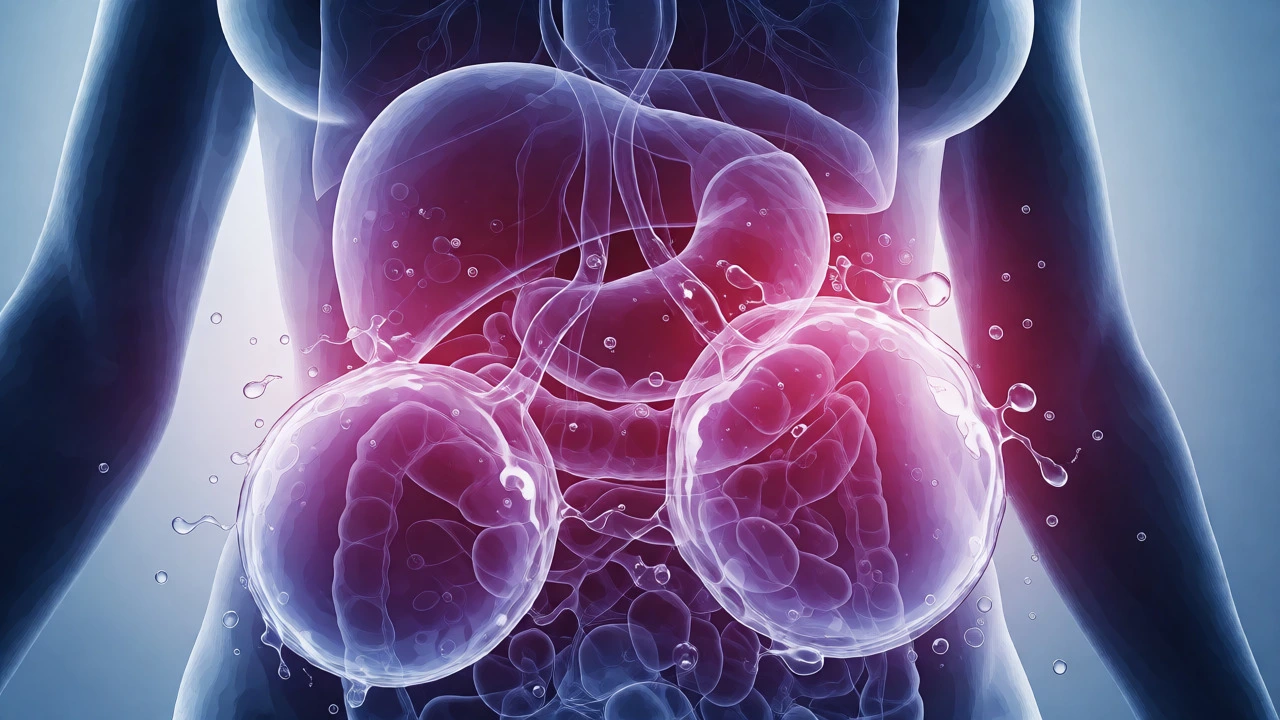
If there is a single medical complication that causes genuine, severe pain in IVF, it is OHSS. This occurs when the ovaries overreact to the stimulation hormones. Instead of producing a handful of eggs, they swell massively, becoming filled with fluid.
Mild OHSS affects about 10-20% of cycles and feels like extreme period bloating. You might gain a few pounds of water weight rapidly. Your clothes won’t fit. You feel heavy.
Severe OHSS, affecting roughly 1-5% of patients, is painful enough to require hospitalization. Symptoms include:
- Severe abdominal pain and distension.
- Nausea and vomiting.
- Shortness of breath (if fluid accumulates around the lungs).
- Rapid weight gain (more than 1kg per day).
The pain here comes from the sheer size of the ovaries pressing against other organs and the leakage of fluid into the abdominal cavity. It can last for weeks if pregnancy occurs, as the natural hCG hormone keeps the ovaries stimulated.
| Stage | Primary Sensation | Duration | Pain Level (1-10) | Management |
|---|---|---|---|---|
| Hormone Injections | Pinching, stinging, bruising | 8-14 Days | 2-3 | Ice packs, rotating sites, numbing cream |
| Egg Retrieval (Procedure) | None (sedated) | 30 Minutes | 0 | Anesthesia |
| Egg Retrieval (Recovery) | Cramping, soreness, bloating | 1-3 Days | 3-5 | Acetaminophen, rest, hydration |
| Embryo Transfer | Mild pressure, full bladder urge | 15 Minutes | 1-2 | Deep breathing, distraction |
| OHSS (Mild) | Heavy bloating, tightness | Days to Weeks | 4-6 | Electrolytes, monitoring |
| OHSS (Severe) | Sharp pain, nausea, shortness of breath | Weeks | 7-9 | Medical intervention, drainage |
The Emotional Weight Is Physical Too
We can’t ignore the psychosomatic aspect of IVF pain. Stress lowers your pain threshold. When you are anxious about whether the embryos are developing, or terrified that the next scan will show empty follicles, your muscles tense up. Chronic tension in the pelvic floor and lower back exacerbates physical discomfort.
Many patients report that the "two-week wait" after transfer feels physically draining. Bloating returns (often mimicking early pregnancy symptoms), and every twinge is scrutinized. This hypervigilance makes normal bodily sensations feel amplified. It’s not just in your head; stress hormones like cortisol actually increase inflammation and sensitivity.
Tips to Minimize the Hurt
You can’t control how your body responds to hormones, but you can manage the aftermath. Here is what actually works, based on patient feedback and clinical advice:
- Hydrate Aggressively: Water helps flush out excess estrogen and reduces bloating. Electrolyte drinks (like Pedialyte or Gatorade Zero) are better than plain water for preventing OHSS-related fatigue.
- Use Heat Wisely: Heating pads on the lower back or abdomen help relax uterine muscles. Avoid hot tubs during the stimulation phase due to infection risks.
- Prevent Constipation: Progesterone supplements slow down digestion. Constipation adds pressure to already swollen ovaries. Take stool softeners or eat high-fiber foods early.
- Ask About Numbing Cream: For the injections, applying lidocaine cream 30 minutes before your shot can dull the sting significantly.
- Don’t Ignore Severe Pain: If pain becomes sharp, unilateral (one-sided), or is accompanied by dizziness, call your clinic immediately. It could indicate ovarian torsion, a rare but serious emergency where the ovary twists.
Is It Worth the Pain?
That’s the million-dollar question. For most, the physical pain is transient. It lasts days or weeks, whereas the joy of holding a child lasts a lifetime. But minimizing unnecessary suffering matters. Choose a clinic that prioritizes patient comfort. Ask them about their OHSS rates. Ask if they offer GnRH antagonist protocols, which can lower OHSS risk compared to older methods. Knowledge is your best painkiller.
Does egg retrieval hurt?
During the procedure, no, because you are sedated. Afterward, yes, you may experience cramping and soreness similar to a bad period, especially if you had many eggs retrieved. This usually subsides within 24-48 hours.
How long does IVF bloating last?
Bloating typically peaks a few days after egg retrieval. If you do not become pregnant, it should resolve within a week as your period starts. If you do become pregnant, hormonal changes can prolong bloating for several weeks.
Can I take ibuprofen for IVF pain?
Most doctors advise against NSAIDs like ibuprofen or naproxen during the luteal phase (after retrieval) because they may interfere with implantation. Acetaminophen (Tylenol) is generally considered safer. Always check with your specific clinic.
What does ovarian torsion feel like?
It feels like sudden, severe, sharp pain on one side of the lower abdomen, often accompanied by nausea or vomiting. It is a medical emergency requiring immediate attention to save the ovary.
Are the IVF injections worse than childbirth pain?
No. The injections are minor discomforts comparable to a bee sting or a vaccination. Childbirth involves intense muscular contractions and tissue stretching, which is far more intense physically.