Anxiety Therapy Matcher
Select the statements that best describe your experience with anxiety. This tool provides general guidance based on clinical research.
Recommended Approach
- Best For:
- Typical Duration:
- Key Technique:
That tightness in your chest. The racing thoughts that won’t shut off at night. The constant feeling that something is about to go wrong, even when everything seems fine. If you’ve been dealing with this, you’re not alone, and more importantly, you have options. But if you search online for help, you’ll likely hit a wall of confusing jargon: CBT, DBT, psychodynamic, exposure therapy. It feels like trying to order coffee in a language you don’t speak.
The hard truth is that there is no single "best" therapy for everyone. However, decades of clinical research point clearly to one approach as the gold standard for most people. Understanding which tool fits your specific type of anxiety can save you months of frustration and get you back to living your life faster.
Key Takeaways
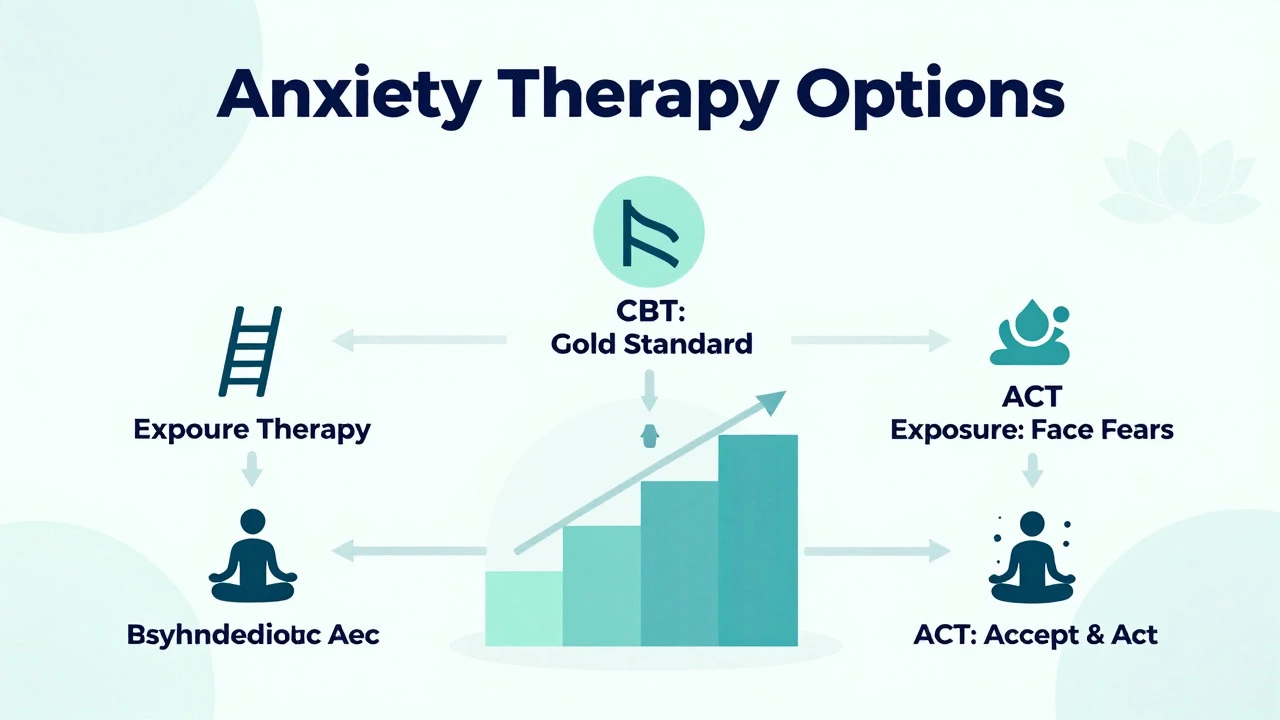
- Cognitive Behavioral Therapy (CBT) is the most evidence-based treatment for anxiety disorders, focusing on changing negative thought patterns.
- Exposure Therapy is highly effective for phobias and PTSD, helping you face fears safely rather than avoiding them.
- Acceptance and Commitment Therapy (ACT) works well for chronic anxiety by teaching you to accept feelings without letting them control your actions.
- Medication often works best when combined with therapy, not as a standalone replacement for psychological healing.
- Your personal preference for a therapist’s style matters just as much as the theoretical model they use.
Why One Size Doesn't Fit All
Anxiety isn't just one thing. It’s an umbrella term covering Generalized Anxiety Disorder (GAD), Panic Disorder, Social Anxiety, Phobias, and Post-Traumatic Stress Disorder (PTSD). Each of these has different triggers and symptoms. Trying to treat social anxiety with the same method used for panic attacks is like using a hammer to fix a leaky pipe-it might make noise, but it won’t solve the problem.
When you look for anxiety therapy, you are looking for a set of tools that match your specific struggle. For some, the core issue is catastrophic thinking ("I’m going to die"). For others, it’s avoidance behavior ("I need to leave this room now"). Identifying what drives your anxiety helps narrow down the right therapeutic approach.
The Gold Standard: Cognitive Behavioral Therapy (CBT)
If you ask ten different psychiatrists what the first-line treatment for anxiety is, nine will say Cognitive Behavioral Therapy (CBT). This isn’t just popularity; it’s backed by thousands of studies. CBT operates on a simple premise: your thoughts influence your feelings, and your feelings influence your behaviors. If you change the thought, you change the outcome.
In a typical CBT session, you and your therapist act like detectives. You identify automatic negative thoughts-like "Everyone is judging me" during a meeting-and then challenge them with evidence. Did anyone actually judge you? Or were you just projecting your own insecurity? By restructuring these cognitive distortions, the physical symptoms of anxiety often decrease significantly.
CBT is structured and time-limited, usually lasting 12 to 20 weeks. You’ll likely get homework assignments, such as keeping a thought diary or practicing relaxation techniques. This active participation is key. You aren’t just talking about your problems; you are learning skills to manage them.

Facing Fear Directly: Exposure Therapy
Avoidance is the fuel that keeps anxiety fires burning. If you’re afraid of flying, every time you take a bus instead, your brain learns that flying was dangerous and the bus saved you. Exposure Therapy breaks this cycle by gradually exposing you to the feared object or situation in a safe, controlled environment.
This doesn’t mean throwing you into deep water. It starts small. If you have a fear of spiders, you might start by looking at a cartoon spider, then a photo, then watching a video of someone holding one, and eventually touching a real one. Over time, your nervous system learns that the threat isn’t real-a process called habituation.
Exposure therapy is particularly powerful for:
- Specific Phobias: Fear of heights, animals, or blood.
- Social Anxiety: Practicing speaking up in meetings or making eye contact.
- OCD: Through a technique called Exposure and Response Prevention (ERP), where you resist the urge to perform compulsions after exposure to a trigger.
- PTSD: Processing traumatic memories to reduce their emotional charge.
It can feel uncomfortable, sometimes even scary, but the relief on the other side is profound. Many patients report that once they stop avoiding things, their quality of life improves dramatically.
Making Peace With Uncertainty: Acceptance and Commitment Therapy (ACT)
While CBT focuses on changing thoughts, Acceptance and Commitment Therapy (ACT) takes a different route. Instead of fighting anxious thoughts, ACT teaches you to accept them as mere mental events-not facts that require action.
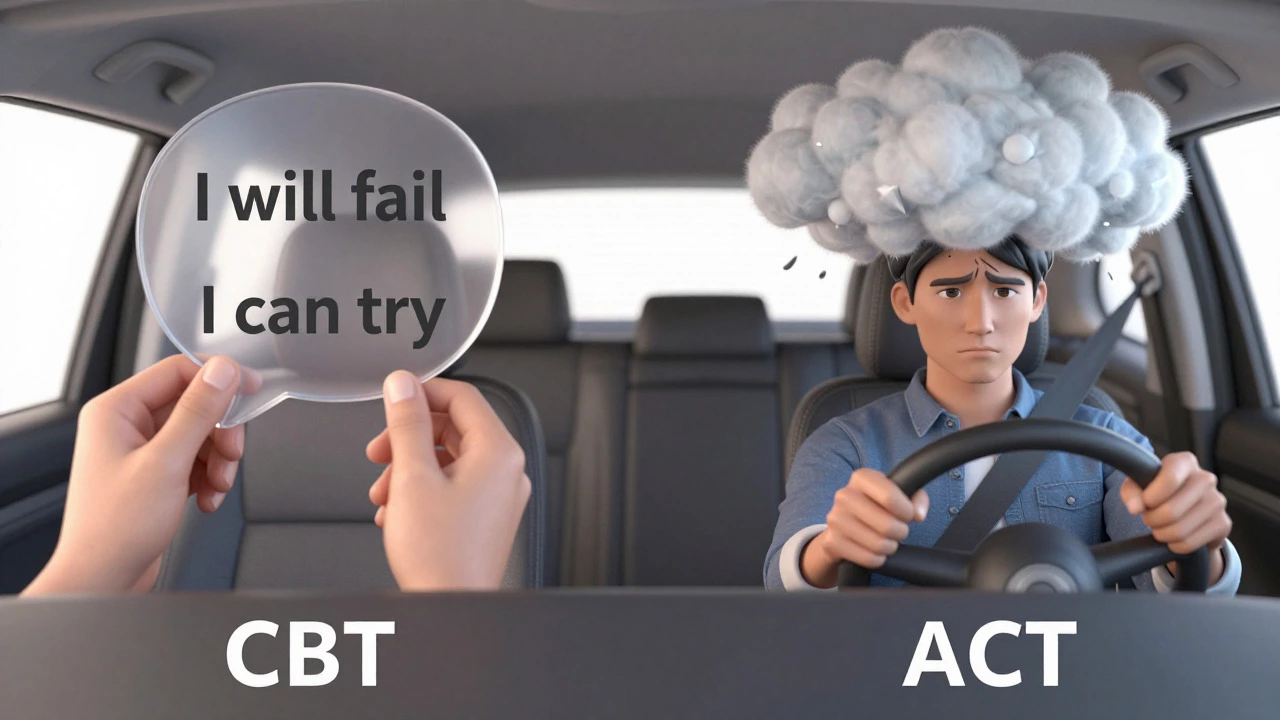
Imagine your anxiety is a noisy passenger in the back seat of your car. In CBT, you might try to convince the passenger to be quiet. In ACT, you acknowledge the passenger is there, hear the noise, but keep driving toward your destination anyway. The goal isn’t to eliminate anxiety; it’s to reduce its impact on your life so you can pursue values-driven actions despite the discomfort.
ACT uses metaphors and mindfulness exercises to help you detach from your thoughts. Techniques include "defusion," where you repeat a word until it loses meaning, showing you that words are just sounds. This approach is especially helpful for people who have tried CBT but still feel stuck because they feel guilty for having anxious thoughts.
Other Effective Approaches
While CBT, Exposure, and ACT lead the pack, other therapies offer unique benefits depending on your history and personality.
Dialectical Behavior Therapy (DBT) was originally designed for borderline personality disorder but is excellent for anxiety accompanied by intense emotional swings. It focuses heavily on distress tolerance and emotion regulation skills. If you find yourself spiraling out of control emotionally, DBT provides concrete tools to ground yourself.
Psychodynamic Therapy looks deeper into the past. It explores how early childhood experiences and unconscious conflicts contribute to current anxiety. This is a longer-term approach, often lasting months or years. It’s less about quick fixes and more about understanding the root causes of your patterns. If you’re curious about why you react the way you do and want deep self-understanding, this might resonate with you.
Interpersonal Therapy (IPT) focuses on relationships. If your anxiety stems largely from conflict with family, work stress, or grief, IPT helps you improve communication skills and navigate social roles. It’s practical and present-focused, aiming to resolve interpersonal issues that fuel anxiety.
How to Choose the Right Therapist
The method matters, but the relationship matters more. Research consistently shows that the therapeutic alliance-the trust and connection between you and your therapist-is one of the strongest predictors of success. You can have the best CBT manual in the world, but if you don’t feel heard or safe, it won’t work.
Here’s a checklist for finding the right fit:
- Check Credentials: Look for licensed professionals (psychologists, LCSWs, LMFTs, or psychiatrists). Ensure they specialize in anxiety disorders.
- Ask About Their Approach: During the initial consultation, ask, "What is your primary therapeutic modality for anxiety?" If they can’t explain it simply, move on.
- Gauge Comfort Level: Do you feel judged? Do they listen actively? Your gut feeling here is valuable.
- Discuss Logistics: Can you afford their rate? Do they offer telehealth? Consistency is key, so choose someone whose schedule aligns with yours.
Don’t be afraid to shop around. It’s common to see two or three therapists before finding the one who clicks. Think of it like dating; chemistry is essential.
Therapy vs. Medication: Which Is Better?
This is a common debate, but the answer is rarely "either/or." SSRIs (Selective Serotonin Reuptake Inhibitors) and SNRIs are frequently prescribed for anxiety. They can lower the baseline level of physiological arousal, making it easier to engage in therapy.
Think of medication as turning down the volume on the noise, while therapy teaches you how to dance to the music. Medication alone often leads to relapse once stopped because the underlying thought patterns remain unchanged. Therapy alone can be incredibly difficult if your anxiety is so severe that you can’t focus in sessions. A combination approach is often the most robust strategy for moderate to severe cases.
| Therapy Type | Best For | Duration | Key Technique |
|---|---|---|---|
| CBT | GAD, Panic Disorder, Social Anxiety | 12-20 weeks | Cognitive Restructuring |
| Exposure Therapy | Phobias, OCD, PTSD | Variable | Gradual Exposure |
| ACT | Chronic Anxiety, Depression comorbidity | 8-16 weeks | Acceptance & Mindfulness |
| DBT | Emotional Dysregulation | Longer term | Distress Tolerance Skills |
| Psychodynamic | Deep-seated patterns, Childhood trauma | Months to Years | Exploration of Unconscious |

What to Expect in Your First Few Sessions
Starting therapy can be intimidating. Here’s what typically happens in the beginning:
Assessment: The first 1-3 sessions are usually intake interviews. The therapist will ask about your history, symptoms, lifestyle, and goals. Be honest; this information shapes the treatment plan.
Psychoeducation: You’ll learn about anxiety itself. Understanding the fight-or-flight response demystifies your symptoms. Knowing that a racing heart is a biological reaction, not a sign of impending doom, reduces secondary anxiety (worrying about worrying).
Goal Setting: Together, you’ll define what success looks like. Is it being able to attend parties? Sleeping through the night? Presenting at work without shaking? Clear goals provide direction and motivation.
Initial Skill Building: Depending on the modality, you might start learning breathing techniques, grounding exercises, or how to track thoughts immediately. Early wins build confidence in the process.
Lifestyle Factors That Support Therapy
Therapy doesn’t happen in a vacuum. What you do outside the office impacts progress inside it. While therapy addresses the psychological roots, lifestyle changes support the physiological health of your nervous system.
Sleep Hygiene: Anxiety and poor sleep create a vicious cycle. Prioritize 7-9 hours of sleep. Keep screens out of the bedroom and maintain a consistent schedule.
Exercise: Physical activity burns off excess adrenaline and cortisol. Even a 20-minute walk can reduce acute anxiety symptoms. Aim for regular aerobic exercise to boost long-term resilience.
Caffeine and Alcohol: Both can exacerbate anxiety. Caffeine mimics adrenaline, triggering false alarms in your body. Alcohol may seem calming initially but disrupts sleep and increases rebound anxiety the next day. Reducing or eliminating these substances can significantly enhance therapeutic outcomes.
Mindfulness Practice: Daily meditation, even for five minutes, strengthens your ability to observe thoughts without reacting. This complements both CBT and ACT approaches.
When to Seek Immediate Help
While anxiety is manageable, it can become overwhelming. If you experience panic attacks that feel uncontrollable, have thoughts of self-harm, or find that anxiety is preventing you from working, eating, or sleeping, seek professional help immediately. In India, resources like Vandrevala Foundation Helpline or local hospital emergency departments can provide urgent support. Don’t wait for things to get worse; early intervention leads to better outcomes.
How long does it take for anxiety therapy to work?
Most people begin to notice improvements within 4 to 6 weeks of starting Cognitive Behavioral Therapy (CBT) or Exposure Therapy. However, significant and lasting change often takes 3 to 6 months of consistent effort. The timeline depends on the severity of your anxiety, how regularly you attend sessions, and whether you complete homework assignments.
Can I do therapy online effectively?
Yes, numerous studies show that online therapy (telehealth) is just as effective as in-person sessions for anxiety disorders. Platforms offering video calls allow for the same therapeutic techniques, including exposure exercises and cognitive restructuring. The convenience of home access also reduces barriers to consistency, which is crucial for success.
Is medication necessary for anxiety?
Not always. For mild to moderate anxiety, therapy alone is often sufficient. For severe anxiety that impairs daily functioning, medication can help stabilize symptoms enough to engage effectively in therapy. The decision should be made in consultation with a psychiatrist, considering your medical history and preferences.
What if my therapist doesn't seem to be helping?
It’s okay to switch therapists. The therapeutic relationship is critical. If you feel misunderstood, judged, or stuck after several sessions, discuss your concerns with your therapist first. If things don’t improve, seek a referral to another professional. Finding the right fit is part of the process.
Does insurance cover anxiety therapy?
Many health insurance plans in India and abroad cover mental health services, including therapy for anxiety. Check your policy details for covered providers, session limits, and co-pay amounts. Some employers also offer Employee Assistance Programs (EAPs) that provide free or discounted counseling sessions.
Can anxiety go away completely?
Anxiety is a natural human emotion, so it won’t disappear entirely. However, clinical anxiety disorders can be managed so effectively that they no longer interfere with your life. With the right therapy, you can reduce symptoms to minimal levels and develop resilience to handle future stressors without spiraling.
What is the difference between CBT and ACT?
CBT focuses on identifying and changing negative thought patterns to alter emotions and behaviors. ACT focuses on accepting thoughts and feelings as they are, while committing to actions aligned with your values. CBT tries to reduce the frequency/intensity of anxiety, while ACT aims to reduce the impact of anxiety on your life.
How do I know if I have an anxiety disorder?
Normal worry becomes a disorder when it is excessive, persistent (lasting 6 months or more), and interferes with daily activities like work, school, or relationships. Symptoms may include restlessness, fatigue, difficulty concentrating, irritability, muscle tension, and sleep disturbances. A mental health professional can provide a formal diagnosis.