
Donor Egg Motherhood Explorer
Choose Your Scenario
Standard Donor Egg IVF
Intended mother uses donor egg with own uterus
Surrogacy + Donor Egg
Intended mother is infertile; surrogate carries baby
Known Donor
Family member or friend provides eggs
Scenario Analysis
Roles & Relationships
Key Considerations
Legal Outcome (India/UK/US General Rule):
Myth Buster: Test Your Knowledge
❌ Myth: The donor can take the baby back
Click to Reveal✅ Fact: Once the donor signs the release form, she waives all parental rights. Courts almost never overturn this unless fraud or coercion is proven.
❌ Myth: The child will always feel disconnected from the intended mother
Click to Reveal✅ Fact: Most donor-conceived children identify strongly with their rearing parents. Genetic ties are interesting, but upbringing shapes identity.
❌ Myth: Donor eggs are "lesser" than own eggs
Click to Reveal✅ Fact: Donor eggs are often from younger, screened donors, resulting in higher success rates than using older, compromised eggs. Many consider it a blessing, not a compromise.
Imagine holding your newborn for the first time. You feel an overwhelming surge of love, but then a quiet question creeps in: "Is she really mine?" If you are using donor eggs to build your family through In Vitro Fertilization (IVF), this question is not just philosophical-it is legal, biological, and deeply personal. The short answer is: it depends on who you ask. Biologically, the woman who provided the egg is the genetic mother. Legally, in most jurisdictions including India, the woman who gives birth or commissions the treatment is the recognized mother. Emotionally, the truth is often more complex.
This confusion isn't new. As assisted reproductive technology (ART) becomes more common, the traditional definition of motherhood is stretching. For many women facing diminished ovarian reserve, premature menopause, or genetic disorders, donor eggs offer the only path to parenthood. But with that gift comes a web of questions about identity, rights, and belonging. Let's untangle this knot together, looking at the science, the law, and the heart.
The Biological Reality: Genetics vs. Gestation
To understand who the "real" mother is, we have to look at the two distinct roles involved in creating a life when donor eggs are used. There is the genetic mother-the woman whose DNA is inside the embryo-and the gestational mother-the woman whose body carries the pregnancy.
In a standard donor egg IVF cycle, here is how it works:
- The Egg Donor: A healthy young woman provides eggs. These eggs contain half of the baby's genetic blueprint. She has no physical connection to the pregnancy once the eggs are retrieved.
- The Intended Mother (Recipient): This is the woman who wants to be the parent. Her uterus receives the embryo created from the donor's egg and her partner's sperm (or donor sperm). She experiences the hormonal changes, the morning sickness, the kicks, and the labor.
Biologically, the child shares 50% of their DNA with the egg donor and 50% with the sperm provider. They share 0% of their DNA with the intended mother if she does not provide any genetic material. However, biology is not just about DNA. Recent research in epigenetics suggests that the uterine environment plays a crucial role in fetal development. Nutrients, hormones, and even stress levels during pregnancy can influence gene expression. So, while the donor provides the code, the gestational mother provides the context in which that code is written.
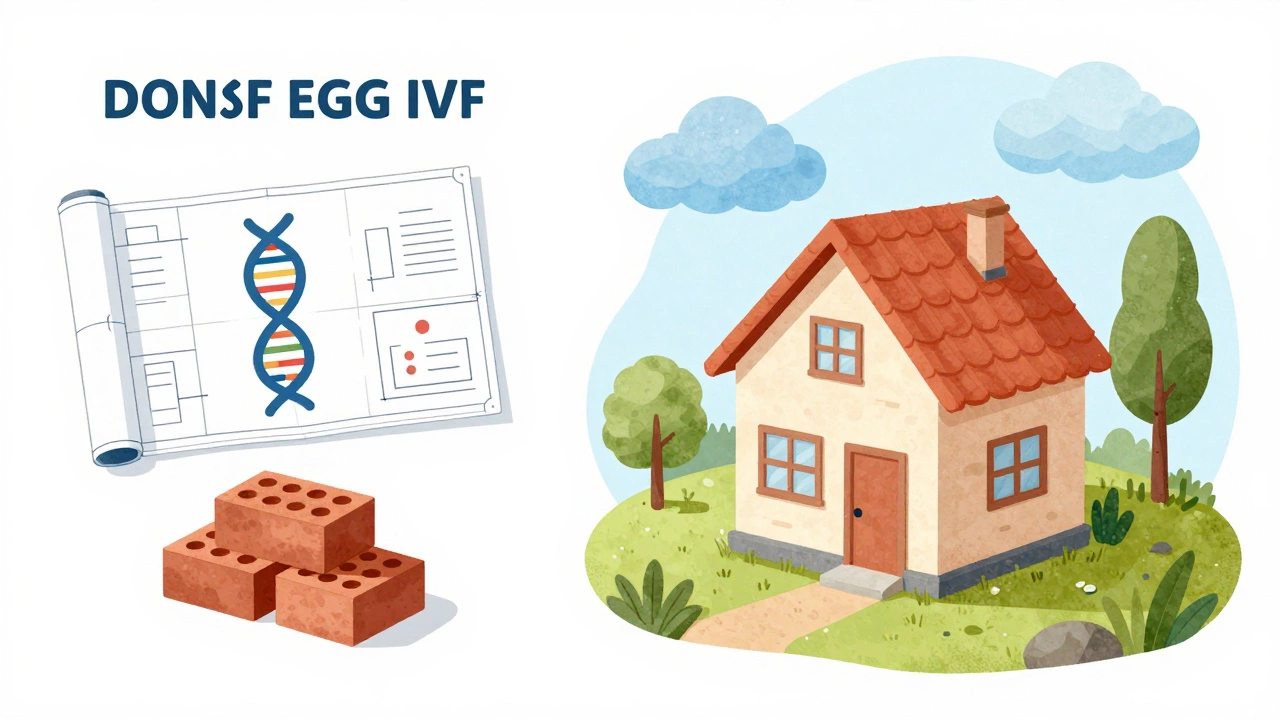
Think of it like building a house. The donor provides the bricks and the architectural plans (DNA). The intended mother provides the land, the foundation, and the weather conditions during construction (womb). Both are essential. Neither is "more real" than the other; they are simply different types of contributors.
The Legal Framework: Who Holds the Rights?
If biology is complicated, the law is often clearer-but it varies wildly by country. In India, where I live, the landscape has shifted significantly with recent regulations.
Under the previous Assisted Reproductive Technology (Regulation) Act, 2021, and subsequent guidelines, the woman who gives birth is generally considered the legal mother. However, there are nuances. If the intended mother undergoes the IVF procedure herself, she is legally recognized as the mother regardless of the egg source. The birth certificate will list her name. The egg donor has no parental rights or responsibilities. She cannot claim custody, nor can she demand visitation. This anonymity and relinquishment of rights are standard parts of the donor contract.
| Scenario | Genetic Link | Gestational Link | Legal Mother (India/UK/US General Rule) |
|---|---|---|---|
| Intended Mother uses Donor Egg + Own Uterus | No (Egg Donor) | Yes (Intended Mother) | Intended Mother |
| Surrogacy + Donor Egg (Intended Mother is Infertile) | No (Egg Donor) | No (Surrogate) | Intended Mother (via transfer of parentage) |
| Egg Donor Claims Custody Later | Yes | No | Court usually upholds Intended Parents' rights if contract was signed |
It is important to note that in some countries, such as certain US states, the "birth mother" rule applies strictly, meaning the woman who delivers the baby is the legal mother until a court order transfers rights. In India, the ART Act emphasizes that the commissioning couple (the intended parents) are the legal parents, provided the treatment is conducted in a registered clinic and follows ethical guidelines. Always consult a local fertility lawyer before starting treatment, as laws change.
The Emotional Landscape: Identity and Belonging
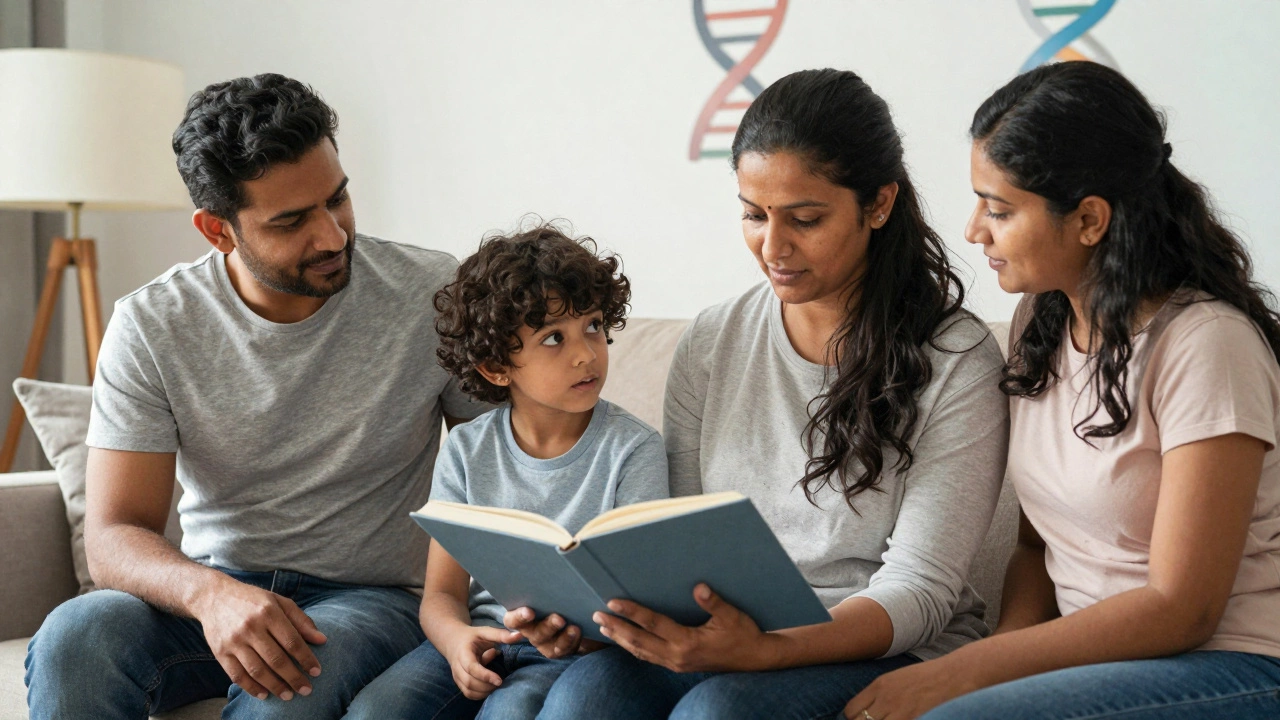
Laws and biology are easy to define. Feelings are not. For the intended mother, the journey can be fraught with guilt or insecurity. Some women worry that because they did not contribute genetically, their bond with the child will be weaker. Studies show this is rarely true. Attachment forms through caregiving, eye contact, feeding, and daily interaction-not through shared chromosomes. Millions of adoptive parents and donor-conceived families report deep, unbreakable bonds.
However, the child’s perspective matters too. As donor-conceived individuals grow up, many express curiosity about their genetic origins. They might wonder why they don’t look like their parents, or if they have inherited medical risks from the donor. This is where the concept of the "real mother" becomes fluid. To the child, the woman who raises them, loves them, and supports them is their mother. But they may also acknowledge the donor as a significant part of their story-a biological ancestor, perhaps, but not a parent.
Psychologists recommend open communication. Hiding the donor origin can lead to trust issues later. Telling a child, "You were born from a special gift from another woman," frames the donor positively without diminishing the primary mother’s role. It acknowledges both contributions without creating conflict.
Navigating Relationships with the Egg Donor
What about the relationship between the intended mother and the egg donor? In most cases, especially in anonymous donation programs, there is no contact. The donor remains a nameless contributor. This protects privacy for both parties but can leave unanswered questions for the child later.
In non-anonymous or known donation arrangements, the dynamic changes. Some families maintain a friendly relationship with the donor. Others set strict boundaries. The key is consent and clarity. Before the cycle begins, all parties should agree on:
- Level of contact (none, email only, occasional meetings)
- Information sharing (medical history updates, photos)
- Future interactions if the child seeks out the donor
I’ve spoken with several couples in Bangalore who chose known donors-often sisters or close friends. While this simplifies medical history access, it can complicate family dynamics. Imagine a Thanksgiving dinner where your daughter asks why she looks like her aunt but calls you "Mom." Clear boundaries help prevent these awkward moments.
Common Myths About Donor Egg Mothers
Misinformation fuels anxiety. Let’s debunk three common myths:
- Myth: The donor can take the baby back.
Fact: Once the donor signs the release form, she waives all parental rights. Courts almost never overturn this unless fraud or coercion is proven. - Myth: The child will always feel disconnected from the intended mother.
Fact: Most donor-conceived children identify strongly with their rearing parents. Genetic ties are interesting, but upbringing shapes identity. - Myth: Donor eggs are "lesser" than own eggs.
Fact: Donor eggs are often from younger, screened donors, resulting in higher success rates than using older, compromised eggs. Many consider it a blessing, not a compromise.
Practical Steps for Intended Parents
If you are considering donor eggs, here is how to prepare emotionally and legally:
- Choose a Reputable Clinic: Ensure they follow ethical guidelines and screen donors thoroughly for health and psychological stability.
- Consult a Lawyer: Draft clear agreements regarding parentage, compensation, and future contact.
- Seek Counseling: Pre-implantation counseling helps process feelings of loss or grief over not using your own eggs.
- Plan Your Narrative: Decide early how and when you will tell your child about their origins. Books like "Where Did I Come From?" can help start age-appropriate conversations.
- Build Support Networks: Connect with other donor-conceived families. Sharing experiences reduces isolation.
Conclusion: Redefining Motherhood
So, who is the real mother of a donor egg baby? The answer is not one person-it is a collaboration. The genetic mother contributes the spark of life. The gestational mother nurtures that spark into existence. The social mother raises, loves, and guides the child into adulthood. All three roles are vital, but in the eyes of the law and the heart of the family, the woman who chooses to raise the child is the mother.
Motherhood is defined by commitment, not just conception. It is found in late-night feedings, school runs, and unconditional love. Whether you contributed genetically or not, your role as a parent is no less valid. Embrace the complexity, honor the donor’s gift, and focus on the beautiful reality of bringing a new life into your family.
Can an egg donor claim custody of the child?
No. In most countries, including India, the egg donor signs a legal waiver relinquishing all parental rights and responsibilities before the procedure. Courts uphold these contracts, recognizing the intended parents as the legal guardians. Custody claims by donors are extremely rare and usually dismissed unless there is evidence of fraud.
Does the child have a right to know their genetic mother?
While not always a legal right, many experts believe it is an ethical one. Children often seek information about their genetic origins for medical reasons or personal identity. Anonymous donation systems are shifting toward identity-release programs where the child can contact the donor upon reaching adulthood (usually 18). Open communication within the family helps prepare the child for this possibility.
How do I explain donor conception to my child?
Start early and keep it simple. Use positive language like "We needed help to make you." Avoid words like "problem" or "sadness." Age-appropriate books and honest answers build trust. As the child grows, share more details about the donor’s appearance or background if available. Honesty prevents feelings of betrayal later.
Is donor egg IVF covered by insurance in India?
Generally, no. Most health insurance policies in India do not cover infertility treatments, including donor egg IVF. However, some corporate wellness plans or specific fertility insurance products may offer partial coverage. It is best to check directly with your insurer and clinic for current options.
What are the risks associated with donor eggs?
Medically, donor eggs are screened for infectious diseases and genetic disorders, reducing risk. Success rates are often higher than with own eggs. Emotional risks include feelings of grief or disconnect for the intended mother. Social risks involve potential stigma or complex family dynamics. Proper counseling and legal safeguards mitigate these concerns.