Herbal Supplement Safety Checker
Select all that apply to your current situation to see which herbs require caution or avoidance.
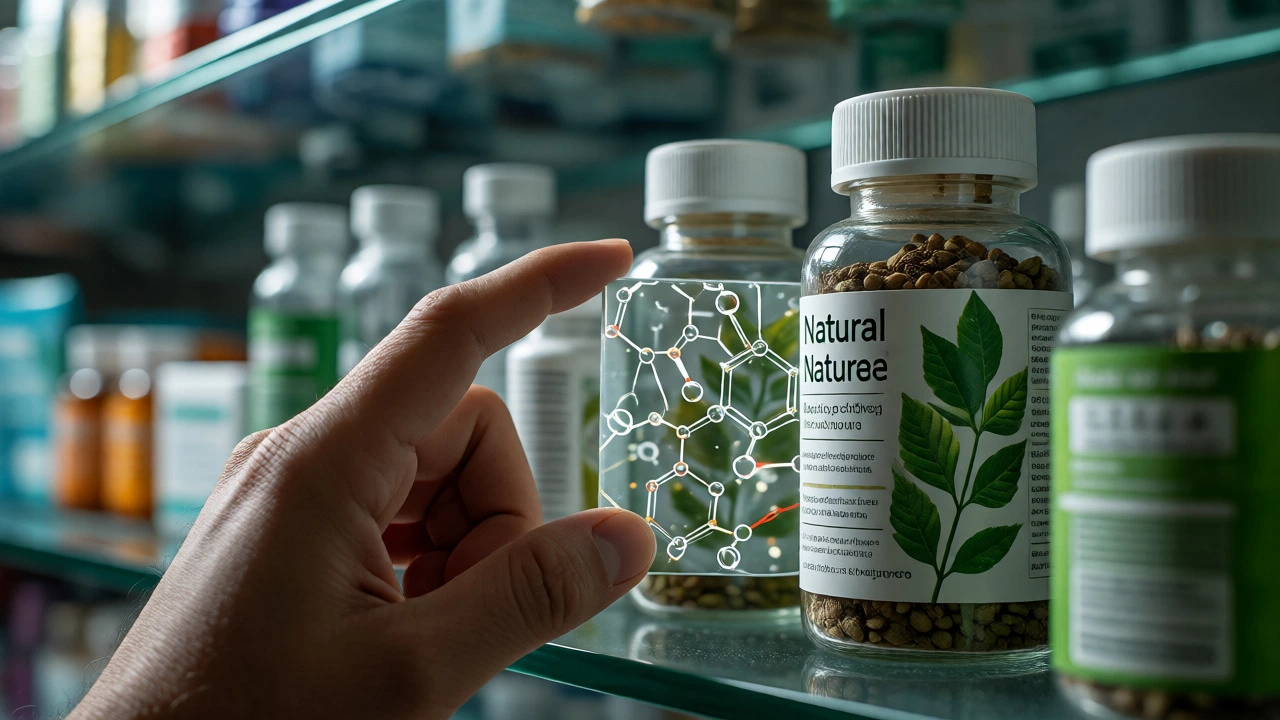
You walk into a pharmacy or scroll through an online store, and you see shelves lined with bottles of turmeric, ashwagandha, ginkgo biloba, and echinacea. The marketing is slick: "Natural," "Pure," "Ancient Wisdom." It feels safe, right? After all, if it comes from a plant, how bad can it be?
Here is the uncomfortable truth that many people miss: herbal supplements are not just dried leaves in a capsule. They are complex chemical mixtures that interact with your body’s systems exactly like prescription drugs do. Just because a substance is natural doesn’t mean it is neutral. For some people, taking these supplements isn't just useless-it’s dangerous.
The "Natural" Myth vs. Biological Reality
We tend to think of medicine as synthetic chemicals and food as harmless plants. But biology doesn't care about the source. When you swallow a pill of St. John’s Wort, your liver processes it using the same enzyme pathways (like CYP450) that handle blood thinners, antidepressants, and heart medications. If you overload those pathways, things go wrong fast.
Think of your liver as a busy toll booth on a highway. Prescription drugs are one line of cars. Herbal supplements are another line. If too many cars arrive at once, the traffic jams. The result? Either the medication builds up to toxic levels in your blood, or it gets flushed out before it can do its job. This isn't theoretical; it happens every day in clinics across Bangalore and around the world.
Pregnant and Breastfeeding Women: Proceed With Extreme Caution
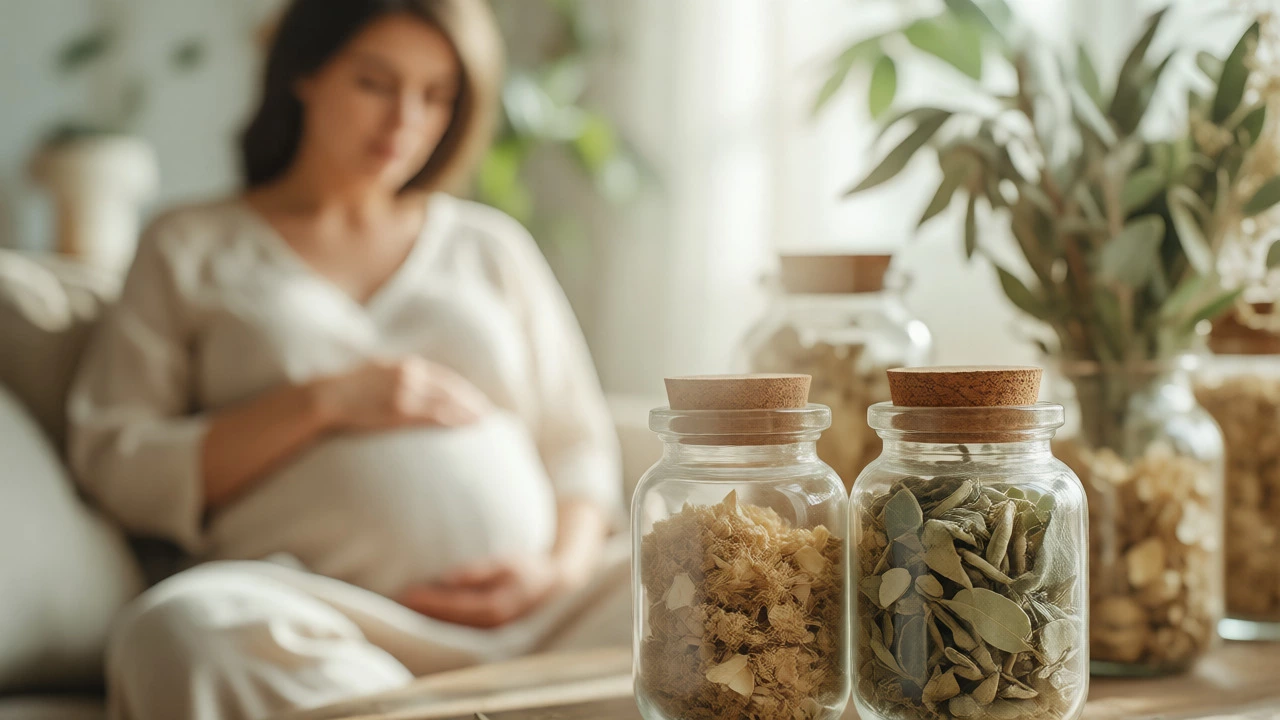
If you are expecting a baby, your rule of thumb should be simple: when in doubt, leave it out. Most herbal supplements have never been tested for safety in pregnant women. Why? Because ethical guidelines prevent researchers from giving experimental substances to pregnant participants. So, we often don't know what they do to fetal development.
Some herbs are known abortifacients-meaning they can stimulate uterine contractions. Black cohosh, blue cohosh, and high doses of parsley or sage have historically been used to induce labor. Taking them casually in the first trimester could lead to complications. Similarly, during breastfeeding, compounds pass into milk. While small amounts might be fine, concentrated extracts can affect the infant’s developing liver and kidneys.
Pregnancy requires a different physiological baseline. Blood volume increases, kidney filtration rates change, and hormonal balances shift. An herb that was benign for you two years ago might behave differently now. Always clear any new supplement with your obstetrician before popping that first capsule.
Surgery Patients: The Hidden Bleeding Risk
Are you scheduled for surgery next month? Stop taking most herbal supplements at least two weeks before the procedure. This is non-negotiable advice from anesthesiologists worldwide.
Why? Many common herbs act as mild blood thinners. Garlic, ginger, ginkgo biloba, and vitamin E inhibit platelet aggregation. That sounds good for heart health, but it’s terrible for surgery. During an operation, your surgeon needs your blood to clot normally to control bleeding. If you’ve been taking high-dose fish oil or garlic capsules, you might experience excessive intraoperative bleeding or post-operative bruising.
Other herbs affect anesthesia metabolism. Valerian root and kava kava, often taken for sleep or anxiety, can potentiate sedatives. This means the anesthesiologist might need to adjust doses, or worse, the interaction could cause unpredictable drops in blood pressure. Don't hide this from your doctor. Tell them everything you take, even if it's just a "little bit of chamomile tea."

People on Prescription Medications: Interaction Check Required
This is the biggest group at risk. If you take daily medication for chronic conditions, you must check for interactions before adding anything new.
Consider Warfarin, a common blood thinner. Its effectiveness is measured by INR levels. Cranberry juice and supplements, while healthy otherwise, can increase Warfarin’s effect, raising the risk of internal bleeding. Conversely, St. John’s Wort speeds up the breakdown of Warfarin, making it less effective and increasing the risk of clots.
Diabetics face similar risks. Bitter melon, fenugreek, and cinnamon can lower blood sugar. If you are already on insulin or metformin, adding these herbs without monitoring can lead to hypoglycemia-a dangerous drop in blood sugar that causes dizziness, confusion, or fainting.
| Herb | Common Use | Risk Group | Potential Issue |
|---|---|---|---|
| St. John’s Wort | Depression, Mood | Antidepressant users, Birth control users | Reduces efficacy of SSRIs and oral contraceptives; Serotonin syndrome risk |
| Ginkgo Biloba | Memory, Circulation | Blood thinner users, Surgery patients | Increases bleeding risk; interacts with NSAIDs |
| Echinacea | Immunity, Colds | Autoimmune disease patients | May overstimulate immune system, worsening Lupus or RA |
| Ashwagandha | Stress, Energy | Thyroid disorder patients | Can increase thyroid hormone levels, interfering with medication |
Liver Health Concerns: Not All Herbs Are Gentle
Your liver filters toxins. Some herbs contain compounds that are hard for the liver to process. In rare cases, this leads to hepatotoxicity-liver damage caused by drugs or supplements.
Kava kava is a prime example. Once popular for anxiety, it has been banned or restricted in several countries due to reports of severe liver injury. Green tea extract, especially in high-concentration pills, has also been linked to liver stress. Unlike drinking green tea, where you consume antioxidants in balance, extracts concentrate specific catechins that can overwhelm liver enzymes in susceptible individuals.
If you have pre-existing liver conditions like hepatitis or fatty liver disease, avoid unregulated herbal blends. Look for standardized extracts with third-party testing, but even then, consult a hepatologist. Your liver is doing enough work processing your diet and environment; don't add unnecessary load.
Children and the Elderly: Vulnerable Populations
Children are not small adults. Their metabolic rates are higher, their organs are still developing, and their detoxification systems are immature. Giving adult-strength herbal supplements to kids is risky. Honey is a classic example-it’s unsafe for infants under one year due to botulism spores. Other herbs, like ephedra (now largely banned), caused seizures in children.
For the elderly, the issue is polypharmacy. Older adults often take multiple medications for blood pressure, cholesterol, and pain. Adding herbal supplements increases the complexity of this cocktail. Kidney function naturally declines with age, meaning herbs stay in the system longer, increasing the chance of side effects. Always start with the lowest possible dose if a doctor approves it, and monitor closely.
How to Decide: A Practical Checklist
So, who should avoid herbal supplements? Basically, anyone falling into the categories above should pause and think twice. But for everyone else, here is how to stay safe:
- Check the label: Does it list the actual botanical name (e.g., *Withania somnifera* instead of just "Ashwagandha")? Vague labels suggest poor quality control.
- Look for certification: Seals from USP, NSF, or ConsumerLab indicate independent testing for purity and potency.
- Talk to your pharmacist: Pharmacists are experts in drug interactions. Ask them specifically: "Does this interact with my current meds?"
- Start low, go slow: Never jump to the maximum dose. See how your body reacts to a small amount first.
- Monitor changes: Keep a journal. Note any changes in digestion, sleep, mood, or energy within the first two weeks.
Remember, herbal supplements are tools, not magic wands. Used correctly, they can support health. Used blindly, they can undermine it. The goal isn't to fear nature, but to respect its power.
Can I take herbal supplements with antibiotics?
It depends on the antibiotic. St. John’s Wort can reduce the effectiveness of certain antibiotics like erythromycin. Probiotics are generally safe and recommended, but space them out from antibiotic doses to ensure survival. Always ask your prescriber.
Are herbal supplements regulated like medicines?
No. In India and many other countries, herbal supplements fall under dietary supplement regulations, which are stricter than food but looser than pharmaceuticals. Manufacturers don't always have to prove efficacy or safety before selling. Quality varies wildly between brands.
What are signs of a bad reaction to herbs?
Watch for digestive upset (nausea, diarrhea), skin rashes, headaches, unusual fatigue, or changes in heart rate. If you notice yellowing of eyes or skin (jaundice), stop immediately and see a doctor, as this may signal liver stress.
Do organic herbal supplements have fewer side effects?
Not necessarily. Organic certification refers to how the plant was grown (no synthetic pesticides), not its biological activity. An organic herb still contains active compounds that can interact with drugs or cause side effects. Purity matters more than the farming method.
How long before surgery should I stop taking herbs?
Most surgeons recommend stopping herbal supplements 1 to 2 weeks before surgery. This allows your body to clear the active compounds and restore normal clotting factors and metabolic functions. Always confirm the timeline with your surgical team.