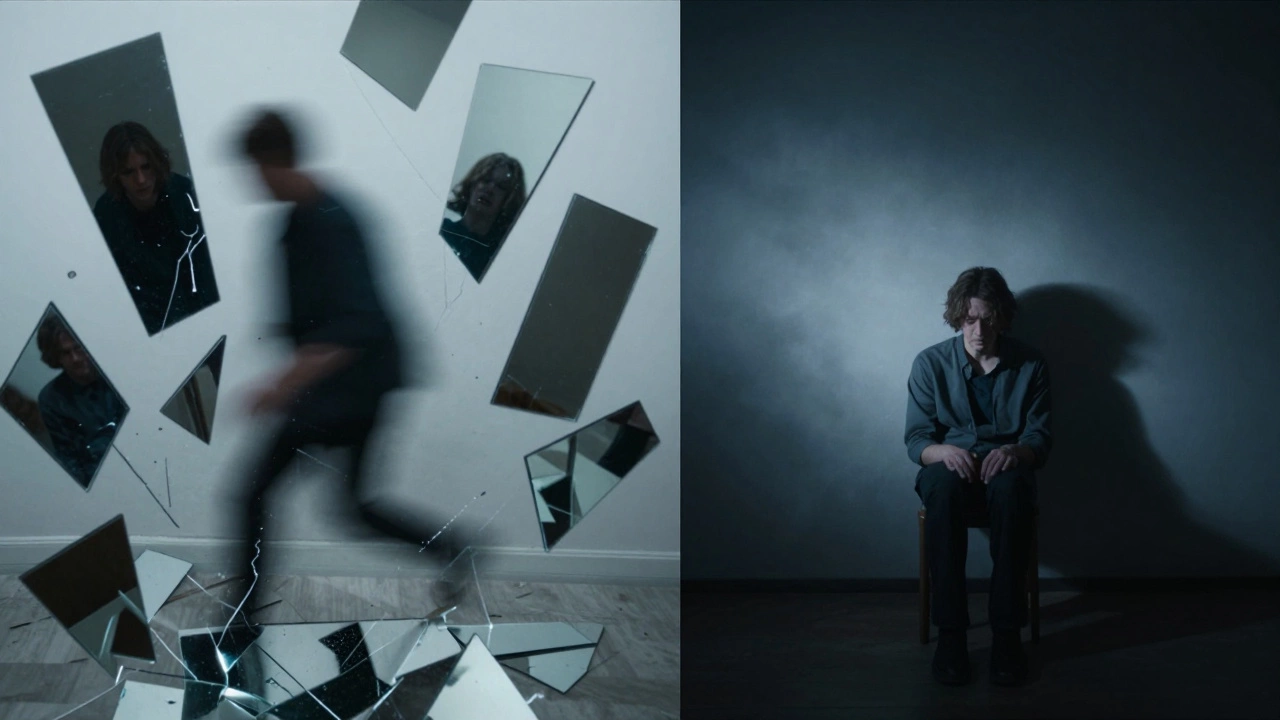
Mental Illness Severity & Treatment Insight Tool
There is no single "most brutal" mental illness. That’s not a cop-out; it’s clinical reality. Suffering isn’t a competition, but severity varies wildly based on symptoms, duration, and how well a person responds to treatment. Some conditions destroy lives through chronic pain and isolation, while others strike with sudden, violent intensity. The real question isn’t which one wins the title of worst-it’s why some people endure decades of agony while others find relief in months.
We often hear stories about extreme cases: someone who hasn’t slept in weeks, another who hears voices commanding them to harm themselves, or a third who feels nothing at all for years. These aren’t just dramatic headlines. They represent distinct disorders with unique mechanisms. To understand what makes a condition truly devastating, we have to look beyond labels and examine the lived experience, the biological roots, and the barriers to care.
The Myth of the "Worst" Diagnosis
People ask this question because they want to prepare themselves or validate their own struggles. If you’re dealing with anxiety, you might wonder if your panic attacks are "bad enough" to count. If you know someone with Schizophrenia, a severe mental disorder characterized by distortions in thinking, perception, and behavior, you might feel helpless watching them deteriorate. But comparing suffering is like comparing burns to broken bones-one doesn’t automatically hurt more than the other; they just hurt differently.
Clinicians don’t rank illnesses by brutality. Instead, they assess functional impairment. Can the person work? Maintain relationships? Feed themselves? Stay safe? A diagnosis becomes "brutal" when it strips away these basics. For example, Treatment-Resistant Depression, depression that does not respond to at least two different antidepressant trials can be more disabling than acute psychosis because it persists silently, eroding hope over decades rather than days. Meanwhile, Bipolar I Disorder, a mood disorder involving episodes of mania and depression creates chaos through its unpredictability, swinging from euphoric recklessness to crushing despair.
The brutality lies in the mismatch between the individual’s needs and available resources. In places with robust mental healthcare systems, even severe conditions become manageable. In underserved areas, mild anxiety can spiral into homelessness. Context matters as much as chemistry.
Conditions Often Cited as the Most Devastating
While no ranking exists, certain disorders consistently appear in discussions of severe mental illness due to their impact on daily functioning and quality of life. Let’s break down three major contenders and why they’re considered so challenging.
| Condition | Core Symptoms | Primary Challenge | Treatment Response Rate |
|---|---|---|---|
| Schizophrenia | Hallucinations, delusions, disorganized speech | Loss of touch with reality | ~70% respond to antipsychotics; ~30% remain treatment-resistant |
| Bipolar I Disorder | Manic episodes (high energy, impulsivity) and depressive episodes | Mood instability and risk-taking behavior | ~60-80% stabilize with mood stabilizers; relapse common without adherence |
| Treatment-Resistant Depression | Persistent sadness, anhedonia, fatigue, suicidal ideation | Lack of response to standard therapies | ~30-40% fail first-line treatments; may require ECT or ketamine |
Schizophrenia gets labeled brutal because it attacks identity itself. When your brain fabricates threats that aren’t there, trust evaporates. You can’t reason someone out of a delusion any more than you can argue water isn’t wet. The social stigma compounds the biological burden-many patients face eviction, job loss, and family rejection before ever reaching a psychiatrist. Early intervention is critical; untreated psychosis leads to cognitive decline that medication alone can’t reverse.
Bipolar I Disorder is brutal in its volatility. During manic phases, individuals might spend their life savings, engage in risky sexual behavior, or go days without sleep-all while feeling invincible. Then comes the crash: deep depression where getting out of bed feels impossible. This cycle destroys careers and marriages. The irony? Mania feels good initially, making patients reluctant to take meds until the depression hits hard. Adherence is the biggest hurdle here.
Treatment-Resistant Depression is insidious. It doesn’t announce itself with fireworks; it creeps in like fog. After trying SSRIs, SNRIs, therapy, lifestyle changes-and still feeling numb-you start believing you’re broken beyond repair. Suicide rates are highest among this group. Newer options like electroconvulsive therapy (ECT) and ketamine infusion show promise, but access remains limited globally.
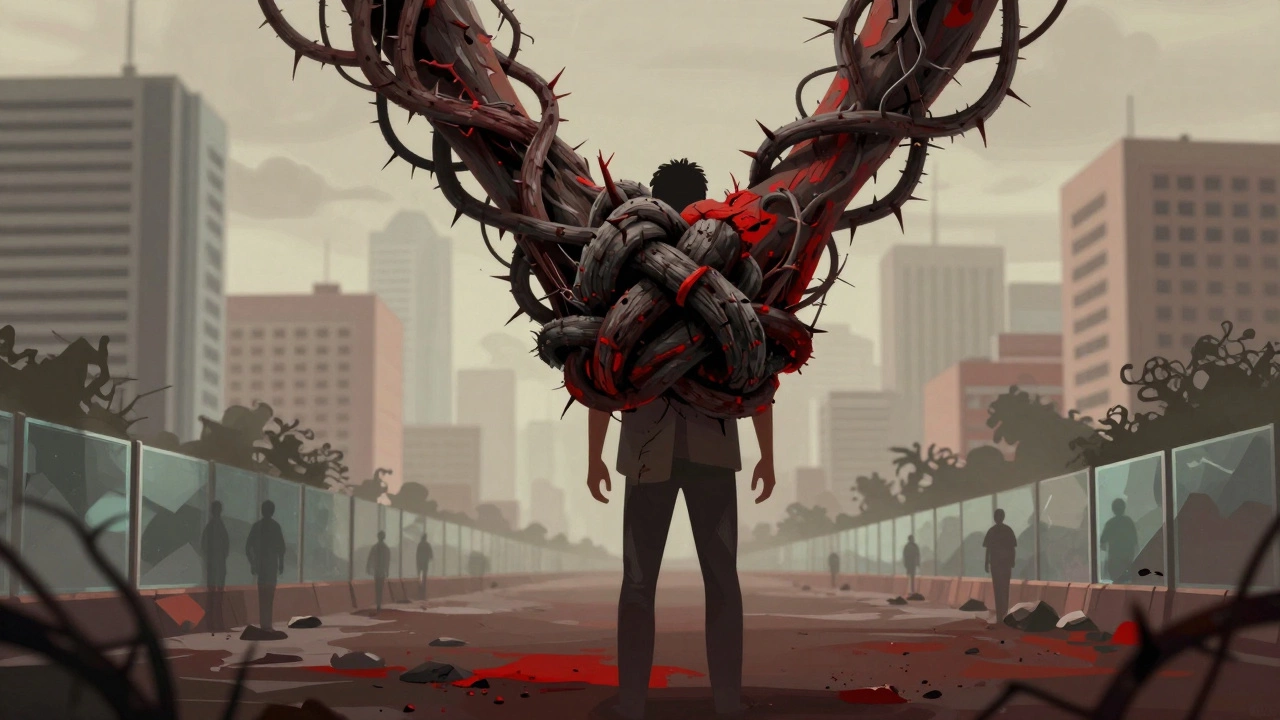
Why Severity Feels Subjective
Your neighbor’s "mild" OCD might involve hours of hand-washing daily, ruining skin and causing shame. Your friend’s "moderate" PTSD could mean flinching at car backfires and avoiding crowds entirely. Both are debilitating, yet neither fits the stereotype of "crazy." This subjectivity stems from visibility bias-we notice loud symptoms (yelling, wandering streets) but ignore quiet ones (isolation, self-harm).
Consider Borderline Personality Disorder, a condition marked by unstable moods, self-image, and relationships. Critics dismiss it as "attention-seeking," ignoring the intense emotional pain behind every outburst. People with BPD often endure childhood trauma, leading to hyperactive threat detection systems in the brain. Their reactions seem disproportionate to outsiders but make perfect sense internally. Misunderstanding fuels neglect, which worsens outcomes.
Another factor: comorbidity. Rarely does one disorder exist in isolation. Schizophrenia frequently co-occurs with substance abuse. Bipolar disorder overlaps with anxiety. Depression pairs with chronic pain. Each layer adds complexity, making diagnosis harder and treatment slower. Untangling these knots requires patience-and money many don’t have.
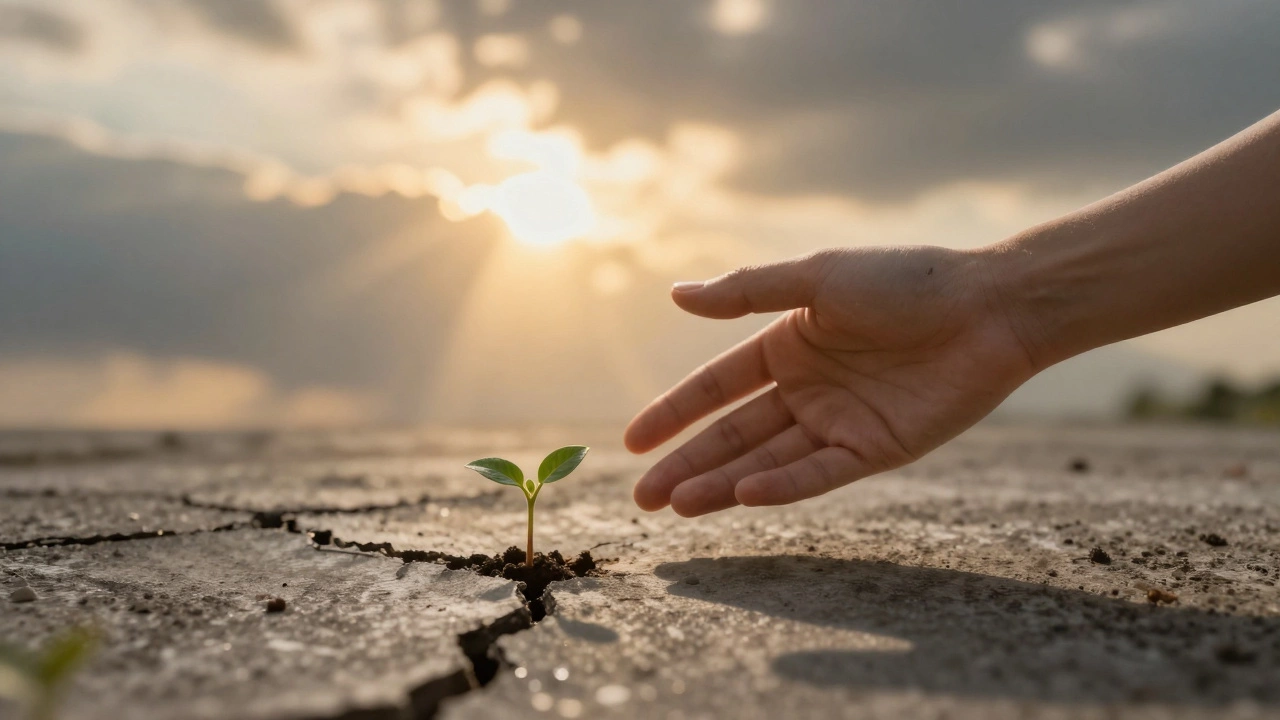
The Role of Access and Stigma
In Bangalore, where I live, mental health awareness has grown significantly over the past decade. Yet, only 15% of those needing care actually receive it. Why? Cost, shame, and long waitlists. Private therapists charge ₹2,000-₹5,000 per session-unaffordable for most. Public hospitals offer free services but see hundreds of patients weekly, limiting time per case.
Stigma operates on multiple levels. Families hide diagnoses to protect marriage prospects. Employers fire workers after breakdowns instead of accommodating leave. Even within medical communities, psychiatry lags behind other specialties in research funding and respect. This systemic failure turns manageable conditions into lifelong crises.
Compare this to countries with universal mental healthcare coverage. In Germany, early intervention teams reach out within weeks of symptom onset. In Japan, community centers provide ongoing support groups. Results differ dramatically-not because biology changed, but because society chose to act.
Hope Amidst the Hardship
Labeling any illness as "the worst" ignores progress. Decades ago, schizophrenia meant institutionalization for life. Today, coordinated specialty care programs help young adults recover functionally. Ketamine clinics treat depression unresponsive to traditional meds. Digital therapeutics deliver CBT via apps, reaching remote populations.
Recovery isn’t always cure. Sometimes it means learning to live alongside symptoms. A person with bipolar disorder might never eliminate mood swings but can build routines that minimize triggers. Someone with schizophrenia may still hear voices but develops strategies to ignore them during work hours. Progress looks messy-but it exists.
If you’re struggling, remember: severity doesn’t define worth. Millions manage severe mental illness daily. They hold jobs, raise kids, create art. Their battles aren’t visible, but their resilience is real. Seek help early. Advocate for better policies. And stop asking which illness is worst-start asking how we can reduce suffering for everyone.
Is schizophrenia really the most brutal mental illness?
Not necessarily. While schizophrenia causes significant distress through hallucinations and delusions, its brutality depends on access to treatment and support systems. With proper care, many patients regain stability. Other conditions like treatment-resistant depression may cause prolonged suffering due to lack of effective interventions.
Can bipolar disorder be cured completely?
No current cure eliminates bipolar disorder permanently. However, mood stabilizers and psychotherapy allow most patients to achieve long-term remission. Consistent medication adherence prevents manic and depressive episodes, enabling normal functioning. Relapses occur but decrease frequency over time with proper management.
What defines treatment-resistant depression?
Treatment-resistant depression occurs when symptoms persist despite trying at least two different antidepressants at adequate doses for sufficient duration. Approximately 30-40% of depressed individuals fall into this category. Options include switching drug classes, combining medications, adding psychotherapy, or exploring advanced treatments like ECT or ketamine infusions.
How does stigma affect recovery from severe mental illness?
Stigma delays seeking help, reduces social support, and increases stress hormones that worsen symptoms. Discrimination in employment and housing limits opportunities for rehabilitation. Internalized shame prevents honest communication with providers. Combating stigma through education and policy reform improves engagement and outcomes across all diagnoses.
Are there new breakthroughs in treating severe mental illnesses?
Yes. Recent advances include ketamine-derived drugs for rapid antidepressant effects, closed-loop stimulation devices for obsessive-compulsive disorder, and personalized medicine approaches using genetic testing to predict medication responses. Telepsychiatry expands access to specialists. Research continues focusing on neuroplasticity enhancement and inflammatory pathways linked to mood disorders.