Herbal Supplements: What They Are, How They Work, and What to Watch For
When you hear herbal supplements, natural products made from plants used to support health or treat symptoms. Also known as botanicals, they’re often seen as safer than pills because they come from nature. But that’s a myth. Just because something grows in the ground doesn’t mean it’s harmless. In fact, some herbs can mess with your liver, kidneys, or heart—especially when mixed with other supplements or meds. The truth is, herbal supplements aren’t regulated like prescription drugs. That means what’s on the label isn’t always what’s inside. You could be buying a product with fillers, contaminants, or even hidden pharmaceuticals. That’s why knowing what you’re taking matters more than ever.
Take liver health, how well your liver filters toxins and processes nutrients. It’s the first line of defense when you swallow anything, including herbs. Some herbs like kava, green tea extract, and black cohosh have been linked to liver damage in rare cases. Symptoms? Fatigue, nausea, yellow skin, dark urine. These aren’t side effects you can ignore. And it’s not just about single herbs—herbal combinations, mixing multiple plant-based supplements together. Also known as herbal stacks, they can create dangerous interactions you didn’t see coming. Stacking turmeric with blood thinners? Bad idea. Taking ashwagandha with thyroid meds? Could mess with your hormone levels. Even something as simple as drinking coriander seed water for kidney function, how well your kidneys filter waste and balance fluids. Also known as renal health, it’s a common goal for people trying to avoid dialysis or manage high blood pressure. can help—but only if you’re not already on kidney medication. Same goes for CoQ10, a compound your body makes naturally to produce energy in cells. Also known as ubiquinone, it’s often taken for heart health and energy, but it can lower blood pressure too much if you’re already on meds.
There’s no magic herb that fixes everything. What works for one person might do nothing—or cause harm—for another. Your age, existing conditions, and other meds all change the game. That’s why you need to ask questions: Is this backed by real studies? Who made it? Does it have third-party testing? Can I talk to my doctor about it? The best herbal supplements aren’t the ones with the flashiest packaging. They’re the ones you understand, use carefully, and monitor for effects.
Below, you’ll find real, no-fluff guides on what herbal supplements actually do, which ones to avoid, how they affect your body, and how to spot the difference between science and sales pitches. Whether you’re trying to support your kidneys, protect your liver, or just feel more energized, these articles give you the facts you need to decide—not just what to take, but whether you should take it at all.

What Is a Supplement Everyone Should Take? The One Science Backs
•10 Feb 2026
Vitamin D is the one supplement nearly everyone needs - even in sunny countries like India. Learn why deficiency is common, how much you really need, and how to fix it safely.

What Is the Best Herbal Health Supplement? Top Choices Backed by Science
•27 Jan 2026
Discover the top herbal health supplements backed by science, how to choose the right one for your needs, what to avoid, and how to use them safely without falling for hype or unsafe products.
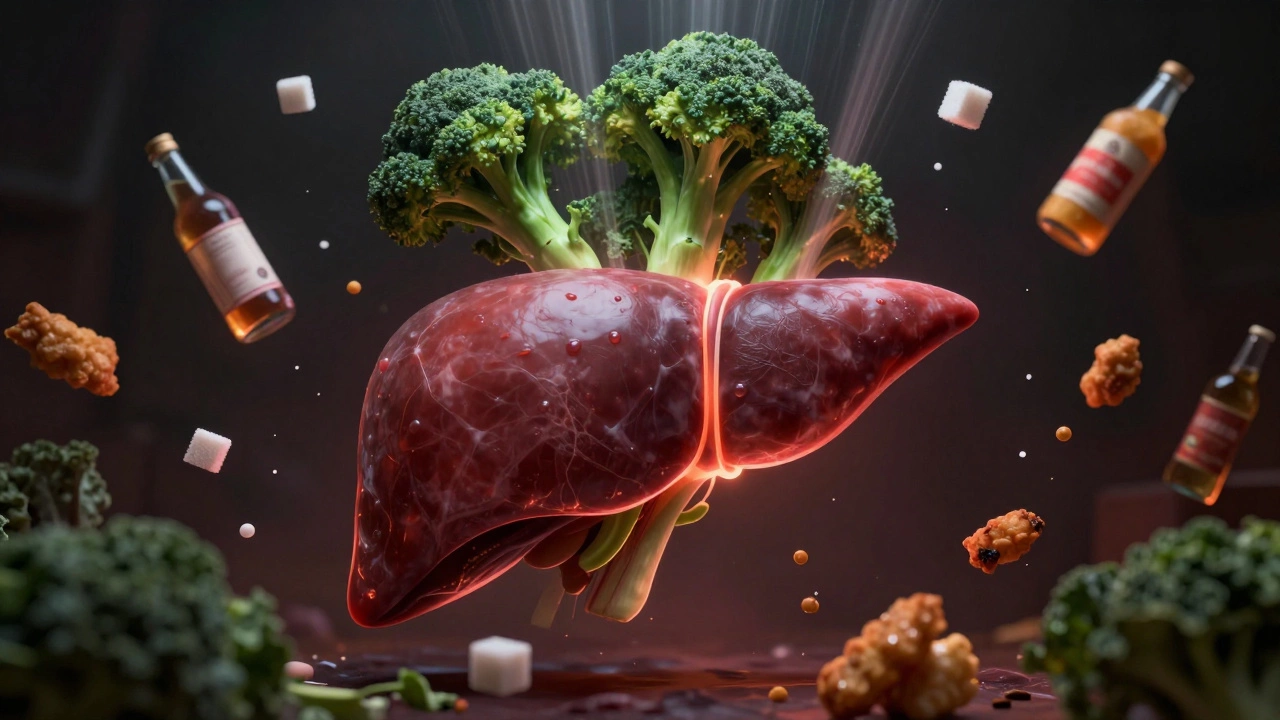
Can Apple Cider Vinegar Clean Out Your Liver? The Truth Behind the Hype
•9 Jan 2026
Apple cider vinegar won't clean your liver-no supplement can. Learn what actually supports liver health, why detox myths are misleading, and what real changes make a difference.
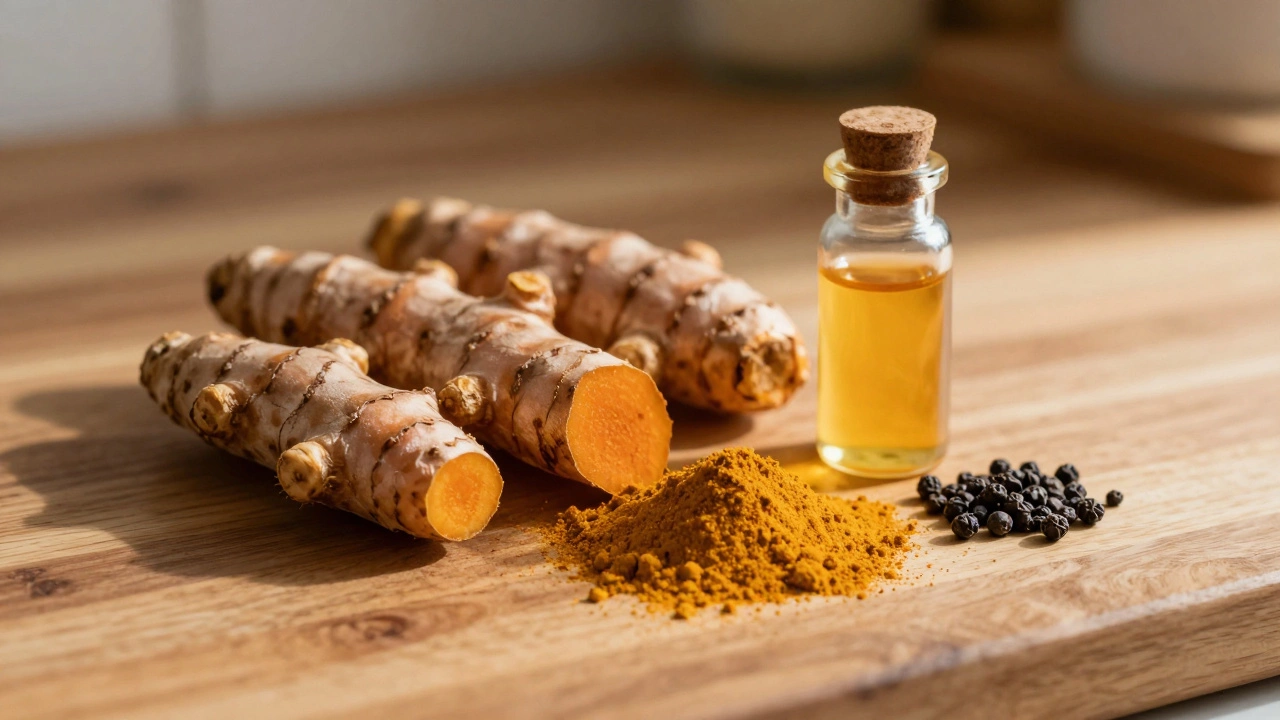
What Is the #1 Herb for Inflammation? The Science-Backed Answer
•19 Dec 2025
Turmeric, specifically its active compound curcumin, is the most scientifically proven herb for reducing inflammation. Learn how it works, how to use it effectively, and why it beats other natural remedies.
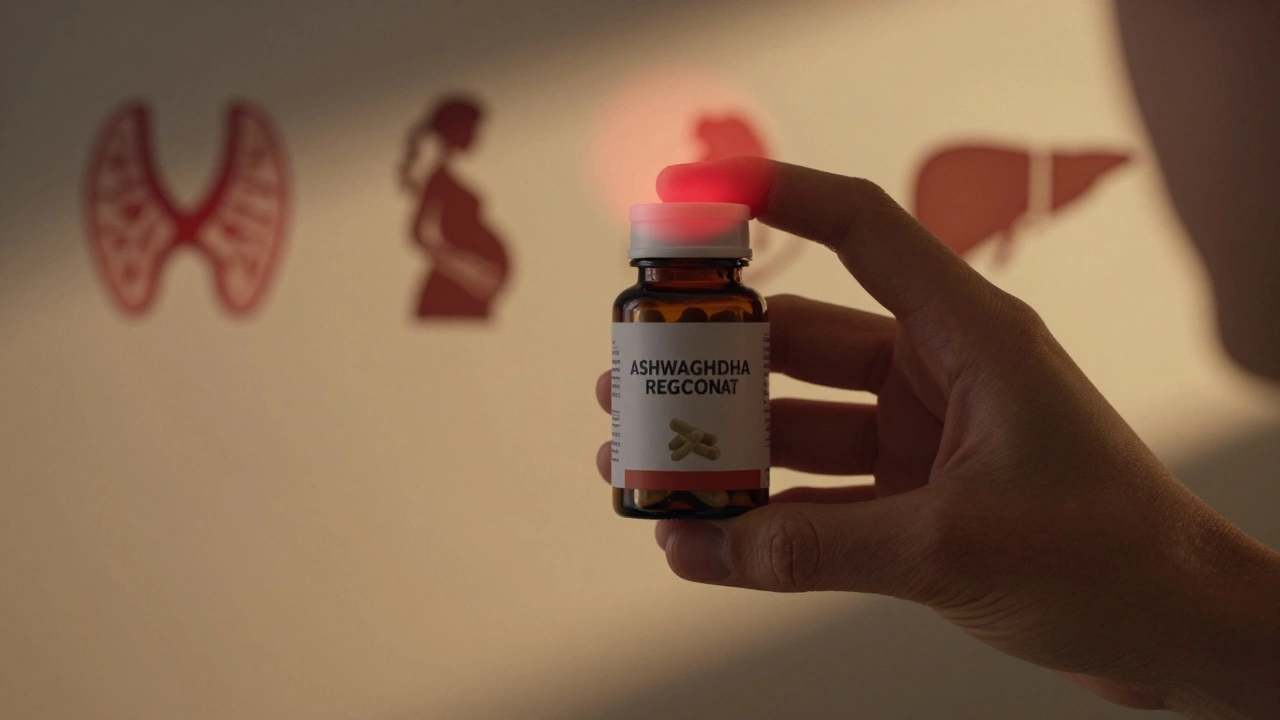
Who Should Avoid Ashwagandha? Key Risks and Who Needs to Stay Away
•9 Dec 2025
Ashwagandha helps many with stress and sleep, but it's not safe for everyone. Learn who should avoid it-pregnant women, thyroid patients, those on meds, and more.
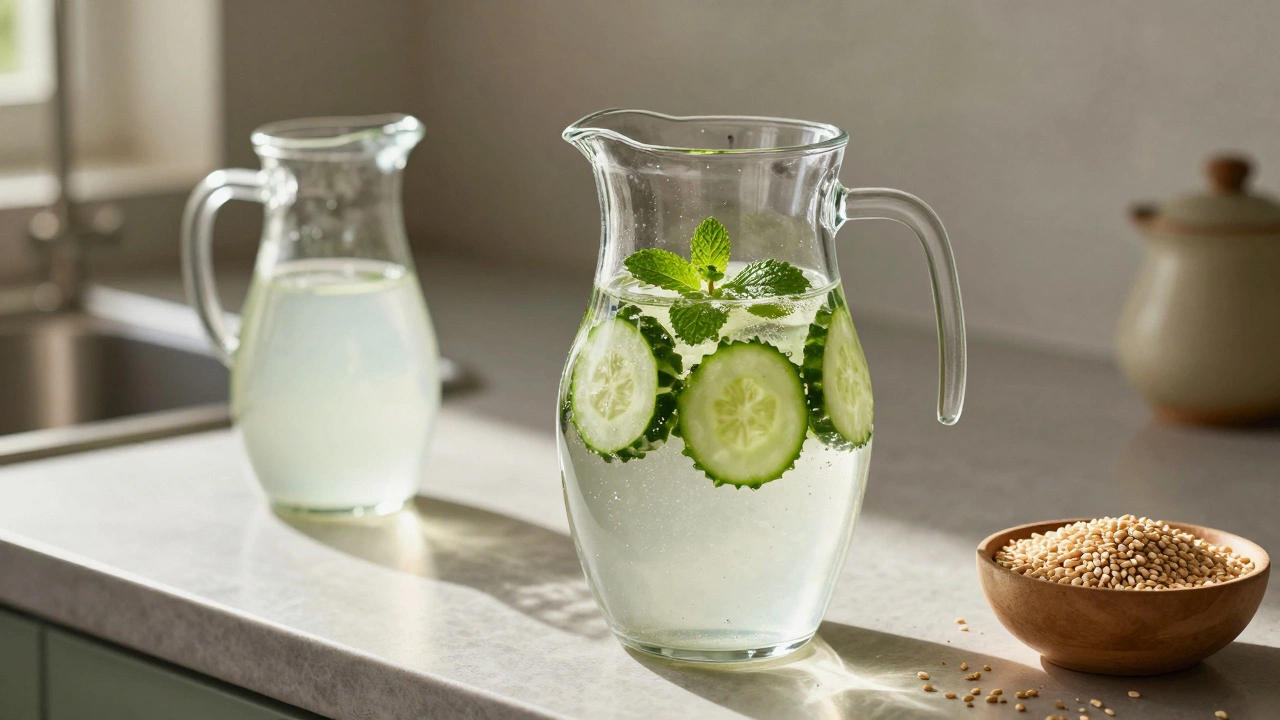
Best Drinks to Support Kidney Function Naturally
•1 Dec 2025
Discover the best natural drinks like barley water, coriander seed water, and cucumber-mint infusion to support kidney function. Learn what works, what to avoid, and how to build a daily habit for lasting kidney health.

Are Herbs Toxic to the Liver? What You Need to Know
•20 Jun 2025
People often assume herbs are safe just because they’re natural, but some can actually harm your liver. This article digs into how herbs interact with your liver, which ones carry risks, and what symptoms to look out for if things go wrong. You'll find practical advice for picking safe herbal supplements and avoiding hidden dangers. Understanding the risks helps you make smarter choices about what you put in your body. Let’s cut through the hype and get to the facts about herbs and liver health.

CoQ10 Benefits: What Is It Good For and Why Should You Care?
•17 Jun 2025
Wondering why CoQ10 keeps popping up in supplement aisles? This article unpacks its main benefits, from powering up energy levels to supporting heart health and fighting off cell damage. You'll get real talk about how CoQ10 works, who might actually need it the most, and how to use it for best results. Plus, learn some quick tips on what to look for when buying CoQ10 so you don’t get ripped off. Whether you’re into fitness or just want to feel better every day, CoQ10 might surprise you.

Herbal Supplements: Is It OK to Take Them?
•6 Jun 2025
This article breaks down whether it’s actually safe to use herbal supplements. You’ll get straight facts about what these products do, how they can benefit or harm you, and what to watch out for. The article highlights real risks, common myths, and practical tips for picking and using herbal remedies. It helps you know what questions to ask your doctor and how to read supplement labels. By the end, you’ll be able to make smarter decisions about taking herbs for your health.

Herbal Combinations to Avoid: A Guide to Safe Supplement Use
•18 Feb 2025
Combining herbal supplements can sometimes lead to unwanted interactions that might cause more harm than good. Understanding which herbs should not be taken together is crucial for anyone looking to benefit from their potential health advantages. The article provides insights into common herbal interactions, how they affect your body, and practical tips on safely incorporating herbal supplements into your routine. With real-life examples and expert tips, this guide aims to help you make informed decisions on using herbal remedies. Knowledge is key to unlocking the full potential of these natural allies.

Discover the Top Herbal Supplement for Optimal Health
•31 Jan 2025
Herbal supplements have gained popularity for their potential health benefits and natural composition. While there are numerous options available, finding the most effective one can be challenging. This article delves into the top herbal supplement, its benefits, usage tips, and scientific backing, providing readers with a comprehensive understanding. Empowering individuals to make informed health choices naturally.